
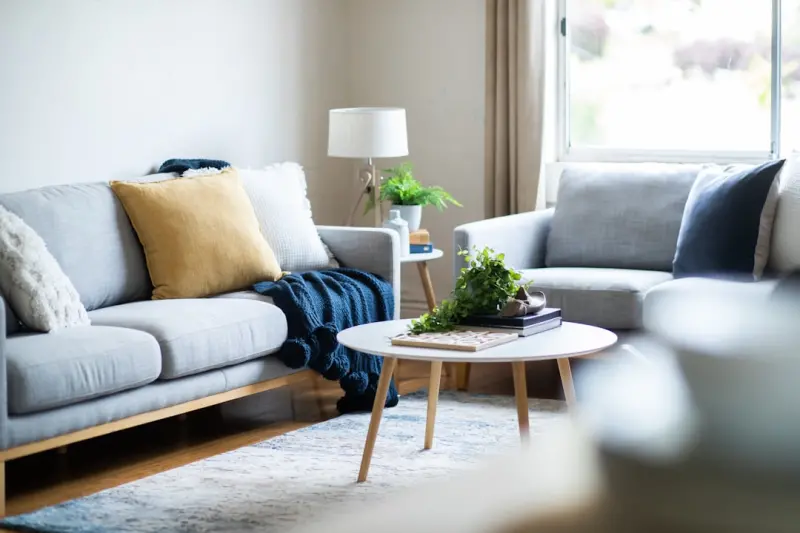
Why Home Zoning Is the Secret Sauce for Modern Living
When the world went remote, many of us discovered that our homes had turned into everything from a boardroom to a gym to a nursery—sometimes all at once. The result? A constant tug‑of‑war between focus, relaxation and creativity. The antidote isn’t a bigger house or a fancier desk; it’s home zoning—deliberately carving out spaces that support the specific activity you’re tackling at any given moment.
Think of zoning as the interior version of a well‑crafted user journey. Just as a SaaS product guides a user through onboarding, deep work, and celebration, a well‑zoned home guides you through focus, downtime, and inspiration without the friction of mental clutter.
Step 1: Map Your Daily Rhythms
Before you start moving furniture, spend a day (or two) noting how you actually use each room. Ask yourself:
- Where do I feel most alert?
- Which corner invites me to unwind?
- Where does creativity naturally spark?
- When do interruptions tend to happen?
Jot these observations in a quick sketch. This “activity heat map” becomes the blueprint for your zones, ensuring they align with your natural energy peaks and valleys.
Step 2: Define Core Zones and Their Purposes
Most people benefit from three foundational zones:
- Focus Zone – a place for deep work, study or any task that demands concentration.
- Rest Zone – a sanctuary for relaxation, sleep and mental recharge.
- Creative/Play Zone – a flexible area that nurtures brainstorming, hobbies, or family interaction.
Each zone should have its own visual and sensory cues so your brain can instantly recognize the mode you’re entering. The concept mirrors how SaaS platforms use distinct UI states for different workflows, reducing cognitive load and boosting efficiency.
Step 3: Light It Right
Lighting is the unsung hero of zoning. Natural daylight is best for focus, while warm, low‑intensity light signals relaxation. Here’s a quick cheat sheet:
- Focus Zone: Position near a window or use a daylight‑balanced LED (4,500‑5,000 K). Add a task lamp to avoid glare.
- Rest Zone: Opt for amber bulbs (2,200‑2,500 K) or smart bulbs that dim gradually.
- Creative Zone: Play with color‑changing LEDs that you can switch based on mood—bright blue for brainstorming, soft purple for low‑key crafting.
Smart lighting can be integrated with voice assistants, but remember the advice from Why Your Screens Are Stealing Your Energy (And What to Do About It): avoid harsh blue light in the evening to keep your circadian rhythm in check.
Step 4: Manage Sound Like a Pro
Soundscapes can make or break a zone. In the Focus Zone, background chatter is the enemy. Many remote workers have discovered that a subtle hum of white noise or nature sounds can mask distracting conversations. Conversely, the Rest Zone thrives on silence or soft ambient tones.
For a practical solution, check out the findings in The Quiet Threat: How Background Noise Shapes Remote Work Health. A simple pair of noise‑cancelling headphones or a tabletop sound machine can elevate your focus dramatically.
Step 5: Choose Furniture That Reinforces Purpose
Every piece you bring into a zone should reinforce its intent:
- Focus Zone: A ergonomic chair, a height‑adjustable desk, and minimal decorative items. Keep drawers closed to reduce visual clutter.
- Rest Zone: A comfortable mattress, soft textiles, and a low‑profile nightstand for essential reading.
- Creative Zone: Modular seating, open shelves for tools, and a large surface for sketching or building.
Modular furniture also lets you adapt spaces as your needs shift—much like how SaaS products roll out new modules without disrupting the core experience.
Step 6: Color Coding for Instant Cueing
Color psychology isn’t a fad; it’s a proven way to signal mood. Here’s a quick guide:
- Focus: Cool blues, muted greens—colors that promote concentration.
- Rest: Warm neutrals, soft greys, gentle lavender—hues that calm the nervous system.
- Creative: Vibrant oranges, energizing yellows, or even bold reds—stimulate imagination.
Apply these colors to walls, accessories, or even just a throw pillow. The visual cue helps your brain transition without a conscious decision, saving mental bandwidth for the task at hand.
Step 7: Declutter with Intent
Clutter is the physical manifestation of mental overload. Adopt a “one‑in, one‑out” rule for each zone. When you bring a new object into the Focus Zone, retire something that no longer serves a purpose. In the Rest Zone, keep nightstands free of work‑related gadgets; a good rule is: if it needs charging, it belongs elsewhere.
This habit echoes the zero‑party data philosophy—only keep what you actively choose to share, and discard the rest. The result is a cleaner, more purposeful environment.
Step 8: Leverage Technology Without Overcomplicating
Smart home devices can reinforce your zones without becoming a distraction:
- Use geofencing to trigger a “Focus Mode” when you step into your office, dimming lights and silencing notifications.
- Set a “Wind‑Down Routine” that gradually lowers lighting, plays calming sounds, and locks the Wi‑Fi for the Rest Zone.
- Deploy a voice‑activated “Creative Playlist” that switches on your favorite instrumental tracks as you enter the Creative Zone.
But remember the lesson from Why Disconnecting on the Road Supercharges Your Brain: technology is a tool, not a crutch. Schedule regular “offline windows” to keep the mind fresh.
Step 9: Personalize With Sensory Touchpoints
Touch, scent, and even temperature can deepen the zoning effect:
- Focus Zone: A citrus essential oil diffuser (e.g., peppermint) can boost alertness.
- Rest Zone: A weighted blanket or a soft rug provides comforting tactile feedback.
- Creative Zone: A small indoor plant adds a touch of nature and improves air quality.
These micro‑adjustments are akin to UI micro‑interactions—subtle, yet they make the overall experience feel intentional and satisfying.
Step 10: Iterate and Refine
Home zoning isn’t a set‑it‑and‑forget‑it project. Your work schedule, family dynamics, and personal goals will evolve. Every quarter, revisit your activity heat map and ask:
- Is the Focus Zone still quiet enough?
- Do I still feel rested after spending time in the Rest Zone?
- Has my Creative Zone become a source of inspiration or frustration?
Make adjustments—swap a lamp for a brighter one, add a room divider, or introduce a new plant. The continuous improvement mindset mirrors the agile development cycles that keep SaaS products thriving.
Putting It All Together: A Sample Layout
Below is a practical example for a typical two‑bedroom apartment:
- Living Room → Creative Zone: Modular sofa, a rolling art cart, a floor lamp with color‑changing bulbs, and a large whiteboard on one wall.
- Balcony Corner → Focus Zone: Small standing desk, ergonomic chair, a portable monitor, a desktop white noise speaker, and a window that lets in ample natural light.
- Master Bedroom → Rest Zone: Darker wall paint, blackout curtains, a mattress with cooling technology, a diffuser set to lavender, and a bedside lamp that dims to 0% after 30 minutes.
- Hallway Nook → Transition Zone: A low bench with a charging station, a small bookshelf for leisure reading, and a subtle rug that signals the shift from work to home.
This layout respects each zone’s visual, auditory, and tactile language, making it effortless to slip into the right mindset at the right time.
Common Pitfalls and How to Avoid Them
1. Over‑Zoning: Splitting a small apartment into too many micro‑zones can lead to a cramped feel. Stick to the three core zones and let them overlap where natural flow exists.
2. Ignoring Personal Preference: Not everyone thrives on bright blue for focus. Test different lighting hues for a few days before committing.
3. Technology Overload: One smart plug per zone is enough. Too many devices create decision fatigue, the exact problem you’re trying to solve.
4. Neglecting Maintenance: A zone only works if it stays tidy. Schedule a 10‑minute end‑of‑day “zone reset” to put items back in their proper place.
Final Thoughts: The Power of Intentional Space
Home zoning is more than interior design; it’s a strategic framework for living well. By aligning physical environments with mental tasks, you free up cognitive resources, reduce stress, and unlock higher levels of productivity and satisfaction. In a world where work, family, and personal growth coexist under one roof, zoning is the quiet architect behind a harmonious home.
Start small—pick one room, apply the steps, and feel the difference. Before you know it, your entire home will feel like a well‑engineered platform—ready to support whatever you set your mind to.

Paul Flynn is a versatile freelance writer equipped with a diverse skillset and a portfolio that reflects his wide-ranging interests and expertise. From crafting compelling website copy and engaging blog posts to delivering in-depth articles and meticulously researched reports, Flynn demonstrates a remarkable ability to adapt his writing style to suit various audiences and purposes.
Related Posts

Seasonal Swaps and Smart Hacks: A Fresh Take on Everyday Home Mastery
Learn how to rotate pantry items, use adhesive storage, create scent stations, and apply one‑minut... Read More

Crafting a Calm, Functional Home Without a Full Renovation
Learn how to map daily flow, improve acoustics, add sustainable storage, streamline kitchens, and us... Read More
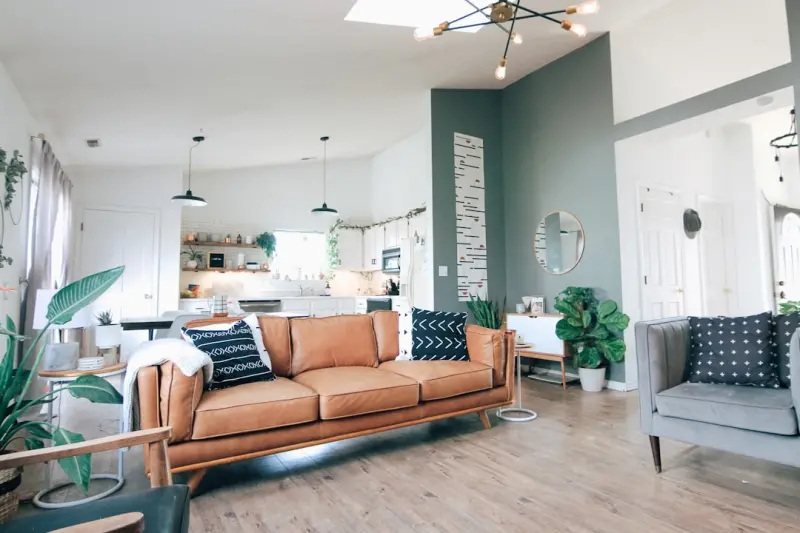
Seasonal Home Refresh: Simple Swaps to Keep Your Space Fresh All Year
A practical guide to refreshing your home each season using budget‑friendly textile swaps, smartâ€... Read More
Top Posts
How SaaS Companies Can Win the Zero‑Click Search War
Zero‑click search is reshaping how SaaS brands capture demand. This post outlines a practical strategy—leveraging schema markup, topic clusters, internal li...Read More
Quantum-Ready SaaS: Future‑Proofing Cloud Applications
This article outlines a practical roadmap for SaaS leaders to become quantum‑ready, covering encryption upgrades, micro‑service redesign, talent development...Read More

Zero-Party Data: Unlocking Trust‑Centric Marketing
Zero‑party data—information customers willingly share—offers a powerful, privacy‑friendly way to personalize marketing. This post explores why it matter...Read More

Privacy‑Centric Attribution: Turning Cookieless Challenges into Growth
Discover a privacy‑first attribution framework that transforms cookieless challenges into measurable growth, using first‑party data, adaptive journeys, and ...Read More
0 Comments
Post Comment
You will need to Login or Register to comment on this post!