
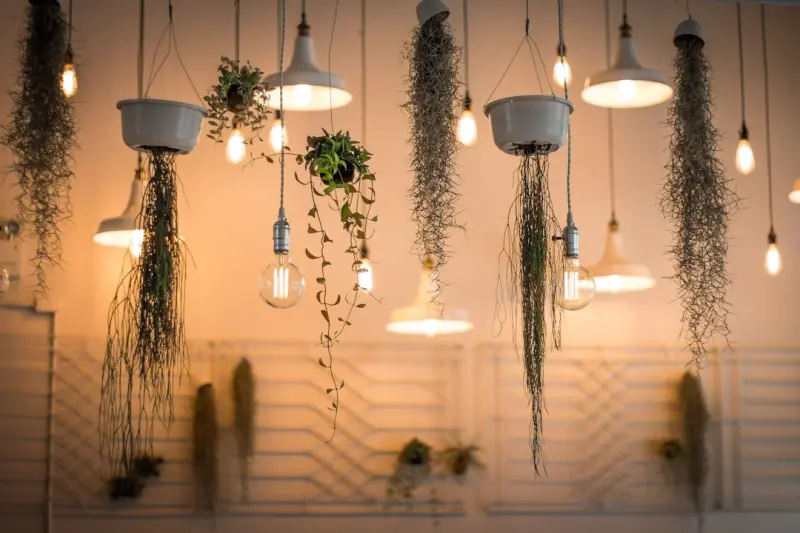
When the lights come on, we don’t just see a room—we experience a mood, a rhythm, and a subtle cue that tells our brain how to act. As someone who’s spent countless evenings tinkering with LED strips, swapping out outdated fixtures, and testing the impact of daylight mimicking bulbs, I’ve learned that lighting is the silent conductor of home life. The right glow can boost productivity in a home office, calm the mind after a long day, and even help you wind down for better sleep. In this guide, I’ll walk you through practical, budget‑friendly lighting tricks that transform any space—from the kitchen island to the hallway closet—into a well‑orchestrated haven.
Why Light Matters More Than You Think
Most of us treat lighting as a purely functional need: turn it on, see what’s there, turn it off. But scientific research shows that light influences our circadian rhythm, hormone production, and even cognitive performance. Blue‑rich light in the morning jump‑starts alertness, while warmer tones in the evening signal to your brain that it’s time to wind down. Understanding this biology lets you use light as a tool rather than a backdrop.
1. Map Your Zones: Light by Function
Start by dividing your home into functional zones—work, relaxation, culinary, and sleep. Each zone benefits from a distinct lighting mix:
- Work Zones: Bright, cool‑white (4000‑5000K) lighting reduces eye strain and enhances focus. Pair a desk lamp with an overhead fixture that offers adjustable brightness.
- Relaxation Zones: Warm, dimmable lights (2700‑3000K) create a cozy atmosphere. Use floor lamps with dimmers or smart bulbs that let you set the exact hue.
- Cooking Zones: Task lighting that’s bright but not harsh—think under‑cabinet LED strips that illuminate countertops without casting glare.
- Sleep Zones: Soft, amber‑tinted nightlights help maintain melatonin levels. Avoid blue LEDs in bedrooms after dusk.
By aligning light temperature and intensity with activity, you’ll notice a measurable lift in mood and productivity.
2. Layer Your Light Like a Pro
Good lighting isn’t a single source; it’s a layered composition of ambient, task, and accent light. Here’s how to achieve balance:
- Ambient Light – This is the base illumination, typically from ceiling fixtures or recessed LEDs. Aim for a uniform glow that eliminates harsh shadows.
- Task Light – Direct lighting for specific activities, such as a swivel desk lamp, a reading light by the couch, or under‑cabinet strips in the kitchen.
- Accent Light – Highlights architectural features or artwork, often using narrow‑beam spotlights or LED strips behind shelving.
When each layer is adjustable (via dimmers or smart controls), you gain the flexibility to shift the ambiance with a tap or voice command.
3. Embrace Smart Bulbs Without Overcomplicating
Smart bulbs are no longer just a novelty for tech‑savvy households. Even a single Wi‑Fi‑enabled bulb can do wonders:
- Set schedules that mimic sunrise and sunset to ease waking and sleeping.
- Sync with music or movies for immersive experiences.
- Control colors to match seasonal décor—think cool blues for a winter vibe or soft pinks for a spring refresh.
If you’re hesitant about a full‑home system, start small: replace the bedside lamp with a smart bulb and experiment with “night mode” settings that gradually dim over 30 minutes.
4. Upgrade to Energy‑Efficient LEDs
LEDs have come a long way. Modern options offer high CRI (Color Rendering Index) scores, meaning colors look true‑to‑life—essential for tasks like cooking or picking out clothing. Look for the following specs:
- CRI 90+ – Excellent color accuracy.
- Lumen per Watt (lm/W) > 100 – High efficiency.
- Dimmable – Ensures compatibility with existing dimmer switches.
While the upfront cost is higher than incandescent bulbs, LEDs typically pay for themselves within a year through reduced electricity bills.
5. Harness Natural Light—Don’t Forget the Sun
Even the best artificial lighting can’t replace the benefits of daylight. Here are low‑effort ways to invite more sun inside:
- Sheer Curtains – Let light filter through while preserving privacy.
- Mirrored Surfaces – Place a decorative mirror opposite a window to bounce light deeper into the room.
- Strategic Furniture Placement – Keep large pieces away from windows to avoid blocking light pathways.
On overcast days, supplement with full‑spectrum bulbs that mimic natural daylight (around 6500K). This is especially useful in home offices where consistent illumination supports focus.
6. DIY Light Hacks for Every Budget
If you love a good project, try these simple upgrades:
- LED Strip Trim – Add a thin strip of warm LED lighting under kitchen cabinets or behind TV consoles. It’s easy to install with peel‑and‑stick tape and adds a modern glow.
- Repurposed Vintage Fixtures – Pair an antique chandelier with LED bulbs for a blend of charm and efficiency.
- Clip‑On Night Lights – Use battery‑powered clip lights in hallways and closets; they’re cheap, portable, and keep nighttime trips safe.
7. The Psychology of Color Temperature
Beyond brightness, the hue of your lights can influence emotions:
- Cool Whites (4000‑5000K) – Promote alertness; ideal for home gyms, study areas, and kitchens.
- Warm Whites (2700‑3000K) – Foster relaxation; perfect for living rooms and bedrooms.
- Amber or Red Light (≤ 2000K) – Helps maintain melatonin production; great for night‑time nightlights.
Experiment by swapping bulbs in a single room and notice how your mood shifts. You’ll quickly discover personal preferences that can be codified into smart home scenes.
8. Create a “Focus” Lighting Scene for Remote Work
Many of us are now juggling work from the kitchen table or spare bedroom. A dedicated focus scene can dramatically improve concentration:
- Set the ambient ceiling light to a cool white at 70% brightness.
- Activate a task lamp with a slightly higher brightness and a neutral temperature.
- Dim any decorative accent lighting to avoid visual clutter.
Save this configuration in your smart hub—one tap, and you’re ready to power through emails without eye fatigue.
9. Lighting Maintenance: Keep It Fresh
Even the best fixtures lose their punch over time. Here’s a quick maintenance checklist:
- Dust fixtures monthly to prevent buildup that dulls light output.
- Replace LED bulbs after 25,000–30,000 hours; their light may start to dim or shift in color.
- Check dimmer switches for flicker—older dimmers can cause buzzing with LED loads.
Regular upkeep ensures consistent performance and extends the lifespan of your lighting investments.
10. Learn From Other Design Disciplines
While we’re focusing on home lighting, insights from adjacent fields can spark fresh ideas. For instance, the principles of biophilic design—integrating natural elements—can be applied to lighting by using fixtures that echo organic forms, such as branch‑inspired pendants or bamboo diffusers. Similarly, the storytelling mindset behind micro‑adventure city escapes reminds us that a well‑lit hallway can feel like a gateway to a new adventure, especially when paired with a splash of color or an unexpected light fixture.
Putting It All Together: A Sample Lighting Plan
Imagine a modest two‑bedroom apartment. Here’s how you could implement the concepts above:
- Entryway: Install a recessed LED downlight (4000K) with a motion sensor. Add a slim LED strip along the baseboard for subtle guidance.
- Living Room: Use a dimmable 2700K ceiling fixture for ambient light, a floor lamp with a cool 5000K bulb for reading, and a small accent light to highlight a gallery wall.
- Kitchen: Replace overhead fluorescents with 4000K recessed LEDs, and add under‑cabinet strips set to 3000K for food prep.
- Home Office: Pair a 5000K desk lamp with a smart overhead light that can be set to “focus mode” (cool white, 80% brightness) during work hours and “break mode” (warm white, 40%) for short rests.
- Bedroom: Install a warm 2700K ceiling light with a dimmer, a bedside amber nightlight, and a smart bulb that gradually dims 30 minutes before bedtime.
By customizing each zone, you create a cohesive experience that supports daily rhythms without a massive renovation budget.
Final Thoughts: Light as a Lifestyle Choice
Lighting isn’t just about bulbs and fixtures—it’s a daily habit that shapes how you feel, work, and unwind. When you treat light as an intentional design element, you unlock a subtle yet powerful lever for well‑being. Start small, experiment, and let the glow guide you toward a more vibrant, productive, and restful home.

Shawn DesRochers is a certified Microsoft technician and Programmer with 30+ year's experience. He has written many reviews on computer related products, software, and SEO related topics. When he's not writing reviews he can be found at one of the Oldest Directories Online Business Directory USA which he is the CEO of.
Related Posts
Brightening Your Home: Light, Air, and Simple Hacks for a Healthier Space
Learn how to transform any room with budget‑friendly tricks that boost natural light, enhance vent... Read More
30-Day Home Reset: A Fresh Start for Every Room
A 30‑day home reset offers a step‑by‑step plan to declutter, reorganize, and build lasting hab... Read More
Turn Your Kitchen Into a Stress‑Free Command Center
A step‑by‑step guide to turning a chaotic kitchen into a calm, efficient command center, featuri... Read More
Top Posts

Your Travel Playlist: Curating Adventures Like a Living Mixtape
Travel isn’t just a checklist; it’s a living mixtape of sights, sounds, flavors, and spontaneous moments. Discover how to curate your journeys with themes, ...Read More
Unlocking Crawl Budget: A Resilient SEO Blueprint
Learn to turn Google’s crawl budget into a strategic advantage with intent‑first mapping, log‑file insights, voice‑ready schema, and AI‑driven automat...Read More
Everyday Energy Wins: Simple Home Tweaks That Cut Bills and Carbon
A practical guide that shows how everyday habits—like smarter lighting, unplugging phantom loads, and seasonal maintenance—can dramatically reduce energy co...Read More

Neuromarketing Tactics to Supercharge SaaS Email Campaigns
Learn how loss aversion, social proof, scarcity, and visual hierarchy can transform your SaaS email campaigns. Practical examples, a testing framework, and tool...Read More
0 Comments
Post Comment
You will need to Login or Register to comment on this post!