
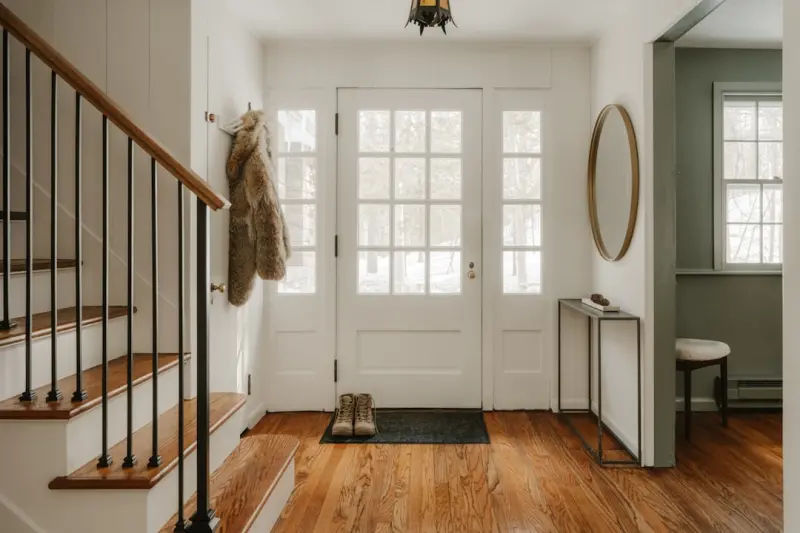
Why the Entryway Deserves More Love Than Your Living Room
Most homeowners treat the entryway like a forgotten hallway—a place to drop keys, toss a coat, and rush out the door. Yet that first square foot of your home is the literal front‑line of first impressions. It’s where you greet guests, set the mood for the day, and even cue your brain into “home mode.” When you give it a little intentional design, you unlock a cascade of benefits: smoother mornings, fewer lost items, and a boost to your home’s aesthetic credibility that rivals even the most polished living rooms.
The Psychology of First Impressions in Your Home
Psychologists tell us that humans form snap judgments within the first seven seconds of any encounter. The same rule applies to your house. A cluttered, dimly lit entryway says “chaos,” while a curated, well‑lit space whispers “thoughtful hospitality.” This subtle messaging influences how you feel when you step inside and how visitors perceive you. By treating the entryway as a mini‑showroom, you give yourself a daily confidence boost without spending hours on a full‑blown remodel.
Step 1: Declutter with Intent, Not Just “Tidy Up”
Decluttering is the foundation of every great entryway makeover. The key is to categorize, not just discard. Start with three boxes:
- Everyday Essentials: Items you need every day—keys, wallet, phone.
- Seasonal Rotation: Umbrellas, scarves, gloves—swap these out as the weather changes.
- Out‑of‑Sight Storage: Anything that belongs elsewhere (mail, paperwork) should have a designated home beyond the entryway.
Invest in a sleek wall‑mounted organizer that houses the Everyday Essentials. A minimalist metal or wooden pegboard can hold hooks, small trays, and a slim shelf—all without stealing floor space.
Step 2: Light It Up—Literally
Lighting transforms a dreary corridor into a welcoming portal. Here are three lighting tactics that don’t require a full electrical overhaul:
- Layered Ambient Light: Replace a single overhead bulb with a warm‑toned LED panel that spreads soft, even illumination.
- Accent Lighting: Add a narrow wall sconce or a plug‑in floor lamp to highlight a piece of artwork or a decorative console.
- Smart Bulbs: Use Wi‑Fi enabled bulbs that let you set a gentle sunrise hue for morning arrivals or a cozy amber tone for evenings.
Pro tip: Pair smart bulbs with a voice assistant routine that gradually brightens the light as you approach the front door, mimicking natural daylight and easing the transition from outside to inside.
Step 3: Mirror, Mirror on the Wall—Make Space Appear Bigger
Mirrors are entryway MVPs. They bounce light, create the illusion of depth, and give you a quick visual check before you head out the door. Choose a frame that complements your style: brushed brass for a modern vibe, reclaimed wood for a rustic touch, or a simple floating glass pane for a contemporary look. If wall space is limited, consider a simple high‑impact home upgrade like a full‑length mirror with built‑in led lighting.
Step 4: Add Personality with Functional Art
Art doesn’t have to be purely decorative; it can double as storage or utility. Think of these hybrid ideas:
- Key‑Holder Canvas: Paint a small canvas with a bold design and embed miniature hooks for keys.
- Message Board: A magnetic chalkboard invites family members to leave notes, grocery lists, or inspirational quotes.
- Plant Shelf: A narrow floating shelf holds trailing succulents that purify air while softening the space.
When you combine aesthetics with purpose, each piece feels earned rather than decorative fluff.
Step 5: Floor Solutions That Blend Style and Durability
Entryways are high‑traffic zones, so choose flooring that stands up to wear and still looks chic. Here are three options that balance cost, comfort, and longevity:
- Luxury Vinyl Plank (LVP): Mimics hardwood grain, resists water, and tolerates heavy foot traffic.
- Cork Tiles: Soft underfoot, natural insulation, and easy to replace a single tile if it gets scuffed.
- Coir Mats: Made from natural coconut fibers, they trap dirt and add a tactile, earthy texture.
Pair any of these with a decorative runner—choose one that features a pattern echoing the color palette of your entryway décor.
Step 6: Smart Storage Hacks Using Everyday Items
Before you rush to buy expensive furniture, look around your home for items that can be repurposed:
- Vintage Suitcases: Stack two sturdy suitcases and use the top one as a side table; the interior becomes hidden storage for scarves or shoes.
- Old Ladder: Lean a wooden ladder against the wall for a tiered display of potted plants or baskets.
- Repurposed Wine Crates: Mount a crate on the wall as a quirky shoe rack.
These up‑cycled pieces not only cut costs but also inject personality, turning the entryway into a conversation starter.
Step 7: Scent Strategy—Welcome Guests with Aroma
Smell is the most powerful sense for memory. A subtle, pleasant fragrance can make your entryway feel like a sanctuary. Options include:
- Essential Oil Diffusers: Choose calming lavender or energizing citrus, and set a timer to activate when motion is detected.
- Wax Melts: Place them in a low‑heat dish near a heat source for a continuous scent without flame.
- Fresh Herbs: A small pot of rosemary or mint not only smells great but also adds a touch of greenery.
For a tech‑savvy twist, integrate the diffuser with your smart home hub so the scent turns on automatically as you unlock the front door.
Step 8: Integrate Technology Without Overcomplicating
Smart home tech is often reserved for living rooms and kitchens, but a few well‑chosen gadgets can elevate the entryway experience:
- Video Doorbell: Provides a visual greeting for visitors and records deliveries, reducing porch‑pirate anxiety.
- Touch‑less Trash Can: Opens automatically when you approach, keeping hands clean after a rainy walk.
- Wireless Charger Station: Embed a sleek pad into a console or wall shelf for a clutter‑free charging spot.
These upgrades keep the entryway functional, modern, and low‑maintenance.
Step 9: Seasonal Swaps to Keep the Space Fresh
One of the simplest ways to keep your entryway feeling new is to rotate seasonal accessories:
- Fall: Add a small pumpkin, a woven basket of pinecones, and a warm-toned runner.
- Winter: Swap in a plush faux‑fur throw, a scented pine branch, and a metallic‑shimmered mirror.
- Spring: Bring in pastel cushions, fresh-cut flowers, and a light, breezy rug.
- Summer: Use a bright, woven mat, a bowl of seashells, and a splash‑proof umbrella stand.
Because the entryway is the first visual cue of your home’s vibe, these subtle changes can make each season feel intentional rather than accidental.
Step 10: Make It a Personal Gallery
Finally, turn the walls into a curated showcase of what matters to you. This could be:
- Family Photos: Print them in a uniform size and hang them in a clean grid for a polished look.
- Travel Souvenirs: Display a small collection of postcards, mini‑flags, or a world map with pins marking visited destinations.
- Artwork: Support local artists by swapping a piece each year, keeping the space dynamic.
When the entryway tells a story—yours—it becomes a warm invitation for anyone stepping across the threshold.
Putting It All Together: A Sample Walkthrough
Imagine walking into a home where the entryway feels like a thoughtfully designed boutique:
- Lighting gently illuminates a brushed‑brass mirror that reflects a sleek pegboard holding your keys, wallet, and a small potted succulent.
- A wireless charger nestled in the corner powers your phone while a smart diffuser releases a hint of citrus as the door unlocks.
- A vintage suitcase serves as a side table, its interior holding a neatly folded scarf and a seasonal umbrella.
- A gallery wall features three black‑and‑white travel photos, a small framed map, and a rotating travel itinerary showcase that reminds you of past adventures.
- The floor is a cork tile runner with a subtle geometric pattern, leading the eye to the front door, where a video doorbell smiles back at you.
This cohesive narrative isn’t achieved by a single statement piece but by layering intentional choices that address function, aesthetics, and emotion.
Common Mistakes to Avoid
- Overcrowding: Less is more. One or two focal points keep the space from feeling chaotic.
- Neglecting Lighting: A dark entryway feels unwelcoming. Even a single well‑placed lamp can transform the mood.
- Forgetting Practicality: Style should never compromise function. A beautiful console that can’t hold mail is a missed opportunity.
- Using Heavy Materials: Bulky furniture can obstruct traffic flow. Opt for slim, wall‑mounted solutions whenever possible.
Final Thought: The Entryway as a Daily Success Ritual
When you approach your home each morning, the entryway sets the tone for the day. By curating a space that feels organized, welcoming, and uniquely yours, you create a small ritual of success—grab your keys, see a calming scent, glance at a favorite photo, and step out with confidence. It’s not just about aesthetics; it’s about engineering a subtle, daily boost that ripples through your entire routine.
Ready to start your transformation? Begin with a single change—perhaps a new light fixture or a stylish mirror—and watch how the rest of the elements fall into place. Your entryway is waiting to become the hero of your home.

Dale Peterson is a freelance writer with a passion for technology, travel, law and personal finance. With 10 years of experience crafting compelling and informative content, he's dedicated to delivering high-quality writing for Blogging Fusion that engages audiences and achieves specific goals.
Related Posts
Acoustic Upgrades for a Home Office That Actually Works
Learn how to turn any room into a quiet‑friendly home office using rugs, DIY acoustic panels, smar... Read More

Seasonal Home Reset: How to Seamlessly Transition Your Space Every Few Months
Learn a practical, four‑phase approach to seasonally refresh your home, from spring decluttering t... Read More
Silence Is Golden: Budget-Friendly Ways to Soundproof Your Home
Learn how to quiet your home with affordable solutions—from heavy curtains and plush rugs to DIY a... Read More
Top Posts

Interactive Video: Turning Passive Viewers into Engaged Buyers
Interactive video shifts B2B SaaS marketing from passive watching to active decision‑making, delivering personalized experiences, richer data, and higher conv...Read More

Finding Your Muse on the Move: How Travel Fuels Creative Work
Travel isn’t just a break; it’s a catalyst for creative breakthroughs. Learn how to set intentions, capture sensory details, and turn every trip into a port...Read More

Beyond the Funnel: Purpose‑First Marketing That Drives Real B2B Relationships
Discover why aligning your B2B SaaS marketing with a higher purpose, using modular content and low‑code experiences, creates stronger customer bonds and drive...Read More

Semantic Search Mastery: How to Future‑Proof Your SEO Strategy
Learn why semantic search is the new SEO frontier, how to build concept clusters, model user intent, and leverage structured data to secure rich results and sta...Read More
0 Comments
Post Comment
You will need to Login or Register to comment on this post!