
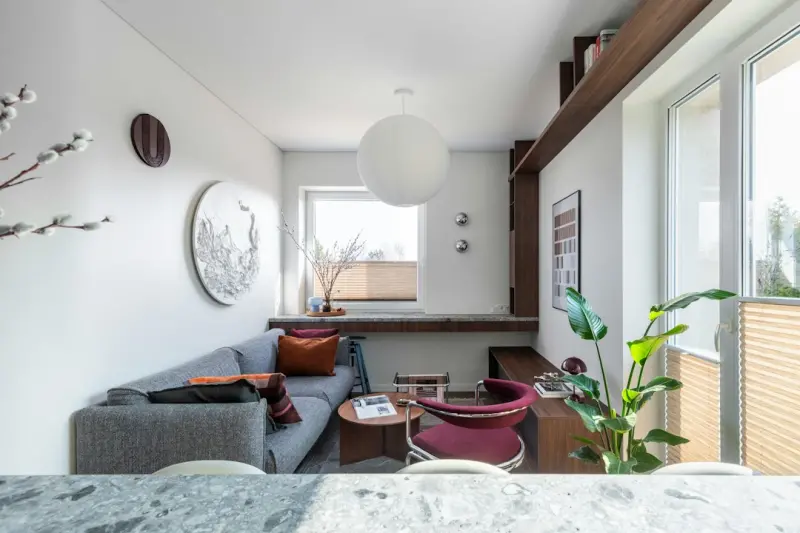
When I first moved into my 600‑square‑foot studio, the walls felt like a tight hug that never let go. The space was charming, but it also whispered “you’ll never find a quiet corner to breathe.” After months of trial‑and‑error—stacked books turning into precarious towers, a couch that doubled as a desk, and a kitchen that doubled as a laundry room—I finally cracked the code for turning a cramped footprint into a calm, purposeful haven. Below is the step‑by‑step roadmap that turned my modest nest into a place I actually look forward to coming home to.
1. Map Your Zones Before You Move Anything
The first mistake most of us make is trying to rearrange furniture on instinct. Visualization beats brute force. Grab a sheet of paper, sketch the rectangle of your floor plan, and then draw circles for the core activities you need: sleeping, cooking, working, and relaxing. Even if you only have two distinct zones, labeling them early helps you see where traffic will flow and where dead space will linger.
Pro tip: think vertically. In a small unit, the floor is prime real estate, but the walls are under‑utilized. Mark spots where you can mount shelves, hanging racks, or a fold‑down desk. This mental map becomes your blueprint for every subsequent decision.
2. Embrace Multi‑Functional Furniture
Every piece should earn at least two points of utility. A sofa that converts into a guest bed eliminates the need for a separate pull‑out couch, while a coffee table with built‑in storage hides magazines, chargers, and those mysterious “later‑I‑will‑use‑this” items that otherwise become clutter.
- Fold‑down wall desks: When you’re not working, they disappear into the wall, freeing up floor space for yoga or a quick dance break.
- Ottoman with hidden compartments: Store blankets, remote controls, or even a spare set of keys.
- Stackable chairs: Keep a sleek stack in a corner; pull one out for guests and tuck them away when you’re solo.
My favorite find was a sound‑absorbing panel that doubles as a decorative wall art piece. Not only does it mute the street’s clamor, but it also adds a pop of color—killing two birds with one aesthetic‑friendly stone.
3. Optimize Light Without Compromising Style
Natural light is a luxury in many apartments, but you can fake it with the right artificial solutions. Instead of a harsh, glaring overhead bulb, opt for warm LED strips that you can dim and color‑tune to match the time of day. Install a few mirror‑enhanced wall sconces to bounce light around corners, making the room feel larger.
If you’re lucky enough to have a small window, pair it with budget‑friendly power savings like solar‑powered blinds that automatically tilt based on sunlight intensity. This not only reduces your electricity bill but also prevents glare that can strain your eyes during a home‑office marathon.
4. Create a “Reset” Corner
Even in a studio, you deserve a place that signals “off‑work, on‑me.” Choose a corner—preferably near a window or a small balcony—and outfit it with a comfy chair, a soft throw, and a tiny side table. Add a low‑profile bookshelf for your favorite reads or a small indoor plant that doubles as a natural air purifier.
Why a corner? Because a designated spot tells your brain it’s time to unwind, reducing the mental spillover from work to personal life. It’s a tiny psychological hack that packs a big punch in overall well‑being.
5. Maximize Storage with Hidden Nooks
One of the biggest frustrations in a small home is hunting for items that seem to disappear into the abyss. Here’s how to tame the chaos:
- Under‑bed drawers: Slide them out for shoes, seasonal clothing, or extra bedding. Choose a bed frame with built‑in drawers for an instant upgrade.
- High‑up ceiling shelves: Use them for seldom‑used items like holiday décor or bulk pantry supplies. A simple ladder on wheels makes access easy and safe.
- Magnetic strips on the side of a pantry door for knives, spice jars, or even metal hair accessories.
By distributing storage vertically and horizontally, you free up floor space and keep your eyes on the open areas that make the room breathe.
6. Choose a Cohesive Color Palette
Colors can either shrink or expand a space. Light, neutral tones reflect more light and create a sense of openness. If you love color, introduce it through accessories—cushions, artwork, or a rug—rather than large swaths of paint. This approach gives you the freedom to swap out pops of hue without committing to a full‑room makeover.
My personal mantra is “one‑three‑five”: one dominant neutral (like soft dove gray), three accent colors (muted teal, warm mustard, and deep plum), and five decorative items that embody those accents. The result feels curated, not cluttered.
7. Incorporate Smart Home Touchpoints (Without Over‑Complicating)
Automation doesn’t have to be a full‑blown tech overhaul. A single smart plug can control a floor lamp, a portable heater, or a coffee maker—all via voice or a phone app. This reduces the number of physical switches and cords that clutter your walls.
For those who love the tactile feel of a switch, consider a plug‑in dimmer that slides between full brightness and a cozy glow. It’s a low‑cost upgrade that adds a layer of convenience without turning your living room into a futuristic control room.
8. Bring the Outdoors In (But Keep It Minimal)
Plants are the unsung heroes of small‑space design. They improve air quality, boost mood, and add texture. Choose varieties that thrive on low light—like snake plants, ZZ plants, or pothos. A narrow, vertical garden panel can hold multiple pots without eating up precious floor real estate.
Tip: Use self‑watering planters that require watering only once a week. This eliminates the guilt of neglect while keeping your green companions thriving.
9. Adopt a “One‑In, One‑Out” Rule
Every time you bring a new item into your home, commit to removing an old one. This simple habit prevents accumulation and forces you to evaluate each piece’s true value. Over time, you’ll notice that you’ve curated a collection of items that truly serve a purpose—or bring genuine joy.
When you’re unsure about an item, place it in a “maybe” box for a month. If you haven’t needed it, donate or recycle it. The result is a space that feels intentional rather than accidental.
10. Personalize Without Overcrowding
The final step is to let your personality shine through. Hang a few meaningful photos, display a travel souvenir, or showcase a piece of art you love. The key is restraint: choose items that tell a story and rotate them occasionally to keep the vibe fresh.
Remember, the goal isn’t to cram everything you own into the apartment, but to curate a living environment that supports your lifestyle, reduces stress, and feels undeniably yours.
Transforming a small space is less about miracle square footage and more about mindful design choices. By mapping zones, selecting multi‑purpose furniture, optimizing light, creating a reset corner, and embracing smart, subtle storage solutions, you can turn any modest dwelling into a stylish, stress‑free sanctuary. The journey may start with a single step—a sketch on a napkin—but the payoff is a home that genuinely nurtures your well‑being.

Related Posts
Quiet Corners: Turning Small Spaces into Productive Sanctuaries
Learn to carve out a quiet corner in any home, using smart lighting, sound control, and minimalist f... Read More

The Welcome Mat Revolution: Transform Your Entryway for Calm & Joy
A thoughtfully designed entryway can set the emotional tone for your home. Learn practical, budgetâ€... Read More
Light Up Your Life: Home Lighting Strategies for Health, Focus, and Mood
A comprehensive guide to using light strategically across your home, from work zones to bedtime, wit... Read More
Top Posts

Beyond Text: How Google’s Multi‑Modal Search Is Reshaping B2B Strategies
Google’s search engine is evolving from text‑only queries to visual, voice, and context‑driven experiences. This post reveals how SaaS marketers can adapt...Read More

Interactive Whitepapers: Turning Static PDFs into Dynamic Lead Magnets
Static PDFs are losing relevance. Learn how to transform them into interactive experiences that capture intent, personalize content, and supercharge your B2B le...Read More

Micro‑Break Mastery: Recharging the Knowledge Worker in 5‑Minute Bursts
Learn how a simple 5‑45‑5 cycle of movement, deep work, and mental reset can transform productivity and well‑being for desk‑bound professionals, backed ...Read More

When AI Becomes Your SaaS Ops Co‑Pilot
AI is moving from front‑end buzz to the back‑office, acting as a silent co‑pilot that predicts outages, automates remediation, and turns operational data ...Read More
0 Comments
Post Comment
You will need to Login or Register to comment on this post!