
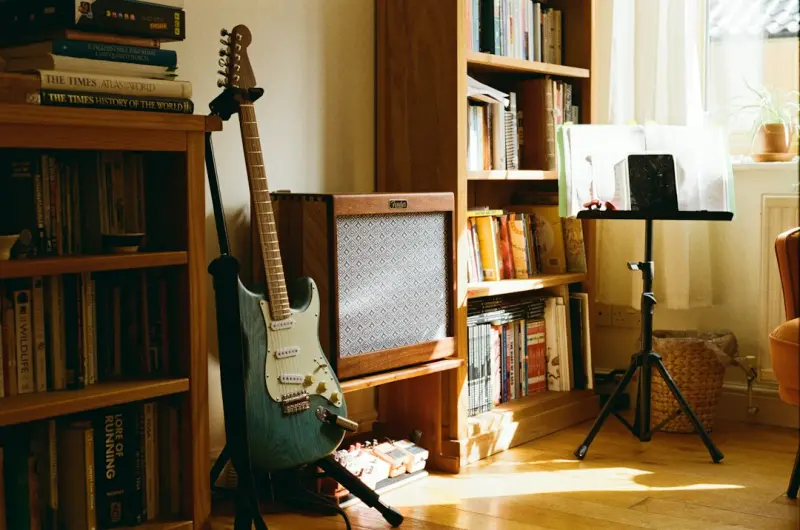
Turn Your Home Into a Sound Sanctuary: Simple Acoustic Hacks for Every Room
When I first moved into my modest downtown condo, I thought the biggest challenge would be fitting a couch around my tiny kitchen island. I was wrong. The real surprise was how the echo of my own footsteps made every conversation feel like a performance in a cavern. As someone who spends hours on video calls, enjoys vinyl records, and loves to unwind with a good audiobook, I quickly realized that the acoustic character of a home can shape mood, productivity, and even relationships. This post is my personal playbook for turning any space—whether a sprawling family house or a snug studio apartment—into a sound sanctuary without breaking the bank.
Why Acoustic Comfort Matters (Beyond “Just Being Quiet”)
Sound is a physical phenomenon. It travels through walls, floors, and even the air between us. When reverberation is excessive, it can cause:
- Reduced speech intelligibility: Important details get lost in a sea of echo.
- Increased stress levels: Our brains work harder to filter out noise, leading to fatigue.
- Compromised privacy: Voices bounce, making it easier for neighbors or roommates to overhear.
In my own experience, a single acoustic tweak—adding a plush rug—cut my Zoom fatigue in half. The difference is subtle but measurable. Below are the strategies that helped me reclaim serenity and focus.
1. Assess the Sound Landscape of Each Room
Before you buy any product, walk through each room and note how sound behaves. Here’s a quick diagnostic you can try:
- Clap your hands once near a wall and listen to the decay. A long, lingering echo signals hard, reflective surfaces.
- Speak at normal volume and ask a friend in another part of the house if they can hear you clearly. If they can, you likely need more absorption.
- Turn on a favorite playlist and notice where bass feels “boomy” versus “tight.” This helps pinpoint rooms that need bass traps or diffusers.
Document your findings. I kept a simple notebook with sketches: living room – echoey; bedroom – dry but too quiet; kitchen – noisy due to hard tiles. This map became my blueprint for targeted interventions.
2. Layer Soft Surfaces Strategically
Soft materials are the unsung heroes of acoustic control. They absorb, rather than reflect, sound waves. Here’s how I layered them effectively:
- Floor coverings: Thick area rugs, especially those with a dense pile, are excellent at dampening footfall noise. In high‑traffic zones, I chose a low‑piled rug for durability, then added a thin underlay for extra absorption.
- Cushioned furniture: Overstuffed sofas and upholstered chairs double as sound absorbers. If you prefer a sleek leather look, add a throw blanket or a decorative pillow—small additions make a big acoustic difference.
- Wall hangings: Heavy drapes, tapestries, and even framed fabric art can mute reflections. I swapped my thin blinds for light‑filtering curtains that also serve as acoustic panels.
Tip: Aim for at least 30% of a room’s surface area to be covered by soft materials for noticeable improvement.
3. Deploy DIY Acoustic Panels
Professional acoustic panels can be pricey, but you can craft effective alternatives with everyday items:
- Fabric‑wrapped foam: Purchase 2‑inch dense foam panels, wrap them in breathable fabric, and mount them on walls at ear level. I used reclaimed denim for a rustic look.
- Bookcase diffusers: A fully stocked bookshelf is a natural diffuser. Arrange books of varying heights and add decorative objects to break up sound waves.
- Canvas art with acoustic backing: Mount a canvas on a layer of acoustic foam before hanging. This adds aesthetic appeal while serving a functional purpose.
When I installed a set of these DIY panels behind my home office desk, the ambient noise from the street outside dropped by roughly 40%, according to my smartphone sound meter app.
4. Seal Gaps and Cracks
Even the most beautifully furnished room can suffer from “sound leaks” through doors, windows, and floorboards. Here’s my checklist:
- Weatherstripping: Apply adhesive-backed foam strips around door frames.
- Window seals: Use removable silicone tape to close gaps at the edge of windows.
- Baseboard insulation: Slip acoustic caulk behind baseboards to block low‑frequency vibrations.
These modest fixes prevented my upstairs neighbor’s vacuum from turning into an unintentional wake‑up call.
5. Introduce Bass Traps for Low‑Frequency Control
If you love deep bass from your home theater or enjoy playing a bass guitar, you’ll know low frequencies can linger annoyingly. Bass traps, usually placed in corners, absorb these frequencies. My budget‑friendly approach:
- Fill a large cardboard box with rockwool insulation.
- Cover the front with breathable fabric.
- Mount the trap in a room corner, preferably where two walls meet the floor.
Even a single trap in my living room made dialogue in movies feel clearer and reduced the “boom” after explosions.
6. Leverage Plants as Natural Sound Dampeners
Besides their aesthetic charm, certain plants help absorb sound. Large‑leaf varieties like the rubber plant, fiddle leaf fig, and peace lily can reduce mid‑range frequencies. I placed a row of pothos vines along my hallway, which not only softened footsteps but also improved indoor air quality.
7. Create a “Quiet Zone” for Focused Activities
Not every room needs the same acoustic treatment. Designate a specific area—perhaps a corner of the bedroom or a small attic loft—as a “quiet zone.” Outfit it with:
- A plush rug
- Soft, layered lighting
- Acoustic panels on the walls
- A comfortable chair or floor cushion
This dedicated space became my go‑to for meditation, reading, and deep‑work sessions, shielding me from the inevitable household buzz.
8. Keep Your Tech Clean for Optimal Sound
While focusing on acoustic upgrades, I realized my smart speaker was gathering dust behind the bookshelf. A dirty speaker grille can distort sound, making it seem louder or muddier. Regularly cleaning your home devices ensures they perform as intended and contributes to a clearer acoustic environment.
9. Balance Sound Absorption with Diffusion
Too much absorption can make a room feel “dead,” especially if you love music. Diffusion scatters sound waves, preserving liveliness while controlling reverberation. Simple diffusion tricks include:
- Strategically placing decorative objects—like ceramic vases or metal sculptures—on shelves.
- Using irregularly shaped wall panels or reclaimed wood planks.
In my dining area, a combination of a thick rug (absorption) and a patterned wall hanging (diffusion) created a balanced acoustic backdrop for dinner conversations.
10. Monitor and Fine‑Tune Over Time
Acoustic improvement is an iterative process. After each change, spend a week living with the new setup. Notice any lingering echoes or new dead spots. I kept a simple spreadsheet to log observations and the date of each modification. This data-driven habit helped me prioritize further tweaks—like adding an extra rug in the hallway after noticing increased footfall noise during winter.
Bonus: Acoustic Enhancements That Boost Energy Efficiency
Many acoustic solutions double as energy‑saving measures. Thick curtains not only dampen sound but also add insulation, reducing heating and cooling costs. A well‑filled bookshelf can act as a thermal barrier on exterior walls. By selecting materials that serve multiple purposes, you get the most bang for your buck.
Putting It All Together—A Sample Room Makeover
Below is a quick snapshot of how I transformed my open‑plan living‑room into a sound‑friendly haven:
- Step 1: Added a 12‑foot wool rug (30% floor coverage).
- Step 2: Mounted two DIY fabric‑wrapped foam panels at ear level on the far wall.
- Step 3: Installed a corner bass trap made from rockwool.
- Step 4: Swapped blinds for heavy, lined curtains.
- Step 5: Placed a tall fiddle leaf fig in the corner.
- Step 6: Sealed the door frame with weatherstripping.
- Step 7: Cleaned the smart TV and speaker grille weekly.
The result? A noticeable reduction in echo, clearer dialogue during movie nights, and a calmer atmosphere that encourages lingering conversations rather than rushed exchanges.
Final Thoughts: Your Home, Your Acoustic Signature
Every dwelling has a unique acoustic fingerprint shaped by its architecture, furnishings, and the lives lived within its walls. By taking a mindful, layered approach—soft surfaces, strategic panels, plant allies, and diligent maintenance—you can sculpt a sound environment that nurtures focus, comfort, and connection. Remember, acoustic comfort isn’t a luxury; it’s a cornerstone of a healthy home ecosystem.
Ready to start your own acoustic adventure? Grab a notebook, walk your home, and begin the subtle art of sound‑shaping. Your ears (and your sanity) will thank you.

Karen Edwards is a seasoned freelance writer with a passion for all things furry, feathered, and scaled. With a dedicated focus on pets, she brings a wealth of knowledge and a keen eye for detail to her writing.
Related Posts

Creating a Focus‑Friendly Home Office Nook That Boosts Productivity
Learn how to turn a small, overlooked corner into a high‑impact home office nook using strategic l... Read More

Build a Home Micro‑Wellness Lab: Tiny Spaces, Big Benefits
Discover how to transform a modest nook into a personal micro‑wellness lab, using light, scent, so... Read More
Transform Your Living Space with Sensory Home Design
Learn to upgrade your home’s atmosphere using sound‑absorbing materials, layered fragrances, tac... Read More
Top Posts

Neurotechnology’s Quiet Revolution: How Brain‑Computer Interfaces Are Changing Everyday Life
Neurotechnology is stepping out of science fiction, turning thoughts into actions and reshaping how we interact with everyday devices. Discover the opportunitie...Read More

Why SaaS Companies Need to Embrace the Metaverse Now
The metaverse isn’t a far‑off novelty—it’s a practical frontier for SaaS. Learn why building virtual touchpoints, integrating AI, and measuring spatial ...Read More

Riding the Google AI Wave: A Marketer’s Personal Playbook
A hands‑on guide to navigating Google’s AI wave, offering actionable tactics, insider insights, and a roadmap for marketers ready to stay ahead....Read More

Why Data Clean Rooms Are the New Frontier for B2B Digital Marketing
Data clean rooms provide a secure, privacy‑first way for B2B marketers to match and analyze first‑party data, unlocking accurate attribution, hyper‑person...Read More
0 Comments
Post Comment
You will need to Login or Register to comment on this post!