

Why a Home Sanctuary Matters
We spend an increasing amount of time inside our four walls—working, cooking, scrolling, and sleeping. When the home becomes a constant background noise, it can drain our energy, sap our focus, and erode our sense of wellbeing. A sanctuary isn’t a luxury reserved for the affluent; it’s a deliberately crafted space that supports mental clarity, creativity, and calm. Think of it as a personal reset button you can press whenever life’s demands start to feel overwhelming. By curating the environment around you, you gain control over the subtle cues that dictate your mood and productivity.
Start with the Senses
The first step in building a sanctuary is to become intentional about the five senses. Each sense can either amplify stress or nurture peace. Begin by asking yourself: what scents, sounds, textures, colors, and tastes currently dominate my home? Then, replace the disruptive elements with soothing alternatives. A gentle lavender candle, a low‑frequency white‑noise machine, soft linen throws, cool muted tones on the walls, and a cup of herbal tea can collectively create an atmosphere that whispers, “You are safe here.”
Clean Air, Clear Mind
Air quality is often the silent saboteur of home comfort. Dust, pet dander, volatile organic compounds (VOCs) from paints, and outdoor pollutants can infiltrate every room, leading to headaches, fatigue, and reduced concentration. Simple actions—like opening windows for 10 minutes each morning, placing houseplants known for air‑purifying properties (e.g., snake plant, peace lily), and swapping out synthetic fragrances for natural essential oils—can dramatically improve indoor air. Consider adding a budget‑friendly HEPA filter to your living room; it’s a small investment that yields big returns in mental sharpness.
Acoustic Comfort: Taming the Noise
Even in a quiet neighborhood, sound reverberates off hard surfaces, creating an unintentionally echoey environment. Soft furnishings, rugs, and wall hangings act as acoustic absorbers, reducing the harshness of everyday noises. For a DIY approach, hang thick curtains, place woven baskets on the floor, and incorporate acoustic panels made from recycled denim. If you work from home, a pair of noise‑cancelling headphones can be a lifesaver during video calls, allowing you to stay present without the distraction of background chatter.
Lighting Layers for Mood and Focus
Lighting is more than just illumination; it’s a tool for regulating your circadian rhythm and emotional state. Instead of relying on a single overhead fixture, design a layered lighting scheme: ambient ceiling lights for overall brightness, task lighting (like a sleek desk lamp) for focused work, and accent lighting (such as LED strips or floor lamps) for mood setting. For deeper insight into lighting strategies, check out Home Lighting Strategies for Health, Focus, and Mood. By dimming the lights in the evening and opting for warm tones, you signal to your body that it’s time to unwind, supporting better sleep quality.
Declutter for Mental Space
Physical clutter mirrors mental clutter. A cluttered countertop or overflowing closet can make you feel perpetually “behind.” Adopt the “one‑in, one‑out” rule: every time you bring a new item into the house, remove an old one. Use clear storage containers, label drawers, and keep only items that serve a purpose or spark joy. The process doesn’t have to be a marathon; set a timer for 15 minutes each day and tackle a single drawer or shelf. Over time, you’ll notice a lighter, more spacious feeling throughout your home.
Smart Energy Practices That Don’t Require a Renovation
Energy efficiency isn’t just for the eco‑warrior; it directly influences comfort. Small adjustments—like sealing drafty windows with weatherstripping, swapping incandescent bulbs for LED, and using smart power strips to eliminate phantom loads—can lower utility bills and keep your home at a consistent temperature. If you’re looking for quick wins, explore everyday energy hacks that don’t require major upgrades. The cumulative effect of these tweaks is a quieter HVAC system, less temperature fluctuation, and a calmer indoor environment.
Tech Boundaries and Digital Detox
Our devices are the modern equivalent of background static. Constant notifications can fracture attention and prevent deep work. Establish tech‑free zones—perhaps the bedroom or a dedicated reading nook—where screens are prohibited. Use physical alarms instead of phone alarms, and schedule “offline windows” each day where you deliberately disconnect. For a structured approach, see Digital Detox tips that help you reclaim focus and calm.
Personal Touches That Anchor You
A sanctuary should feel unmistakably yours. Incorporate items that hold sentimental value: a travel‑sourced woven wall hanging, a framed photograph of a favorite landscape, or a handcrafted pottery piece. These objects serve as visual anchors, reminding you of experiences that bring joy and grounding. Even a small indoor herb garden can add life and a sense of nurturing, connecting you to nature without leaving the house.
Creating a Dedicated “Reset” Space
If space allows, carve out a specific corner dedicated solely to relaxation or meditation. Equip it with a comfortable floor cushion, a low‑profile side table for tea, and perhaps a soft soundscape device. The key is consistency—use this spot for a daily five‑minute breathing exercise or a short journal session. Over weeks, your brain will associate that corner with calm, making it easier to slip into a relaxed state whenever needed.
Maintaining the Sanctuary
Designing a sanctuary is only half the battle; upkeep ensures it remains effective. Schedule a weekly “home audit” of 20‑30 minutes: check for dust buildup, reorder misplaced items, reset any lighting timers, and evaluate whether the space still serves your needs. Seasonal changes are an excellent reminder to refresh scents, swap out textiles, and reassess lighting angles as daylight hours shift.
Final Thoughts: Your Home, Your Haven
The journey to a calm, productive home sanctuary isn’t about perfection—it’s about intentionality. By attending to the senses, optimizing air and sound, layering light, curating personal artifacts, and establishing mindful tech habits, you transform ordinary rooms into regenerative spaces that nurture your mind and body. Start small, stay consistent, and watch how a thoughtfully crafted environment can become the cornerstone of your daily resilience.

In the world of freelance writing, where creativity and adaptability are paramount, Michelle Fisher stands out as a dedicated and versatile professional. With a passion for crafting compelling narratives and a keen eye for detail, Michelle has established herself as a trusted voice.
Related Posts
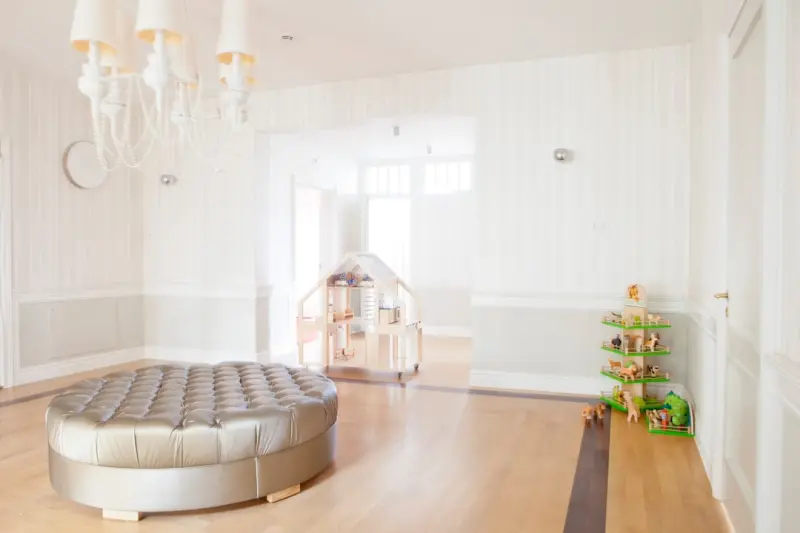
Creating a Sensory Sanctuary at Home: A Step‑by‑Step Guide
Discover a step‑by‑step method to turn any room into a sensory sanctuary, blending light, textur... Read More

The Welcome Mat Revolution: Transform Your Entryway for Calm & Joy
A thoughtfully designed entryway can set the emotional tone for your home. Learn practical, budgetâ€... Read More
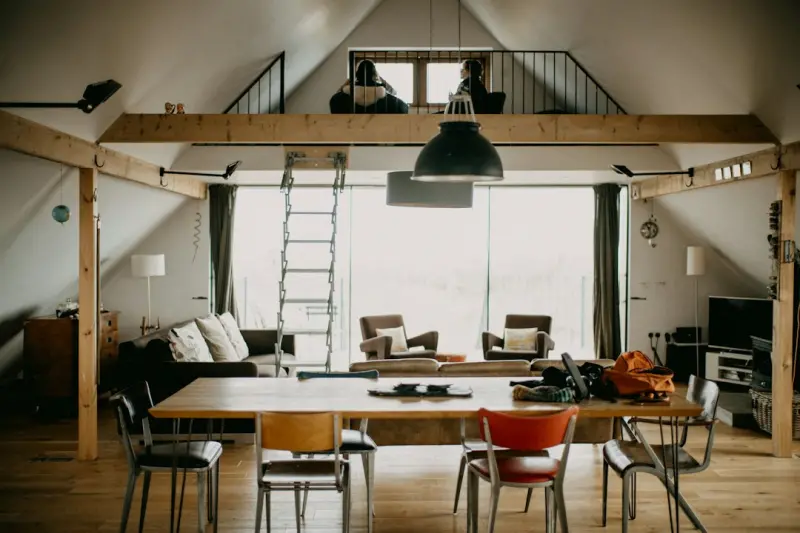
Smart Zoning: Transform Your Open‑Plan Home into Distinct Work, Play, and Rest Areas
Discover practical, low‑cost strategies to divide an open‑plan space into clear work, play, and ... Read More
Top Posts

Surfing the 2024 Google AI Wave: Rose DesRochers’ Insider Playbook for Marketers
Rose DesRochers shares her expert playbook for navigating Google’s 2024 AI changes, offering actionable SEO tactics, content tips, and future‑proof strategi...Read More

From Data to Narrative: Crafting Micro‑Stories that Convert B2B SaaS Buyers
Micro‑stories—short, relatable narratives built on real customer data—are reshaping B2B SaaS marketing. Discover how to create, distribute, and scale thes...Read More

When Communities Drive Revenue: A New Playbook for B2B SaaS Marketers
Discover why shifting from funnel‑centric tactics to a community‑first strategy is the key to sustainable B2B SaaS growth, with practical steps, real‑worl...Read More

Navigating Google’s AI Wave: Rose DesRochers’s Insider Playbook
Rose DesRochers breaks down Google’s AI surge, from Gemini’s authenticity tools to actionable strategies for marketers, offering a forward‑looking playboo...Read More
0 Comments
Post Comment
You will need to Login or Register to comment on this post!