
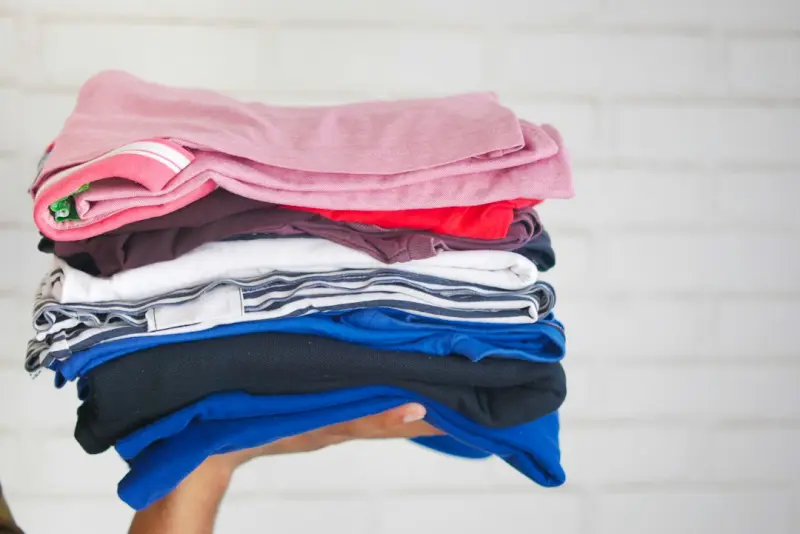
Why Your Laundry Routine Is the Secret Weapon for a Greener, Cheaper Home
Most of us treat the washing machine like a black‑box monster that simply gets the job done. We toss in clothes, add detergent, press start, and hope for the best. What if I told you that a few mindful tweaks to that routine could slash your utility bills, extend the life of your garments, and reduce your household carbon footprint—all without buying a new appliance?
The Hidden Cost of “Just One More Load”
It’s easy to rationalize that extra load of socks or that single T‑shirt you forgot to wash. However, each unnecessary cycle consumes roughly 2 kWh of electricity and 40 g of water per minute. Multiply that by the average 30‑minute wash, and you’re looking at 60 kWh and 72 liters of water per stray load. Over a year, those “just‑in‑case” washes can add up to over $200 in energy costs and a significant portion of your home’s water usage.
1. Master the Art of Load Sizing
Most modern machines have a “capacity rating” listed in kilograms. Resist the urge to overload—it stretches fabrics and forces the motor to work harder. Conversely, running the machine half‑full wastes both water and energy. The sweet spot? Fill the drum to about 80 % of its capacity. Here’s how to gauge it:
- Visual cue: When you look inside, there should still be a small gap between the drum’s wall and the top of the clothes.
- Weight cue: If your machine has a load sensor (many newer models do), trust its beep or digital readout.
2. Choose the Right Wash Cycle—Don’t Default to “Heavy”
Many of us reach for the “heavy-duty” setting because it sounds thorough. In reality, a cold‑water, short‑cycle wash cleans most everyday fabrics just as well. Hot water is only essential for:
- Sanitizing baby items or medical textiles.
- Removing stubborn stains like oils or inks.
- Washing heavily soiled work clothes.
For the majority of your wardrobe, a cold or warm wash is enough, saving up to 90 % of the heating energy.
3. Embrace Eco‑Detergents and the Power of Soap‑Free Options
Traditional detergents often contain phosphates and synthetic fragrances that linger in wastewater. Switching to an eco‑friendly, plant‑based detergent reduces environmental impact and can improve rinsing efficiency, meaning you can use less detergent per load. Some modern machines even have a “soap‑free” or “low‑foam” mode that works with laundry balls or reusable dryer sheets, cutting chemical use altogether.
4. Harness the Heat‑Recovery Feature (If Your Machine Has It)
A growing number of high‑efficiency washers come with heat‑recovery technology. The machine captures the heat from the wash water and re‑uses it for the rinse cycle, cutting energy consumption dramatically. If your appliance doesn’t have this feature, consider a simple retrofit that insulates the drum with a blanket, keeping water warm longer without extra heating.
5. Schedule Washes During Off‑Peak Hours
Utility companies often offer cheaper rates after 9 p.m. or on weekends. By programming your washer’s delay start function, you can run full loads when electricity is cheaper and the grid is less strained. Over a year, that timing shift can shave 10‑15 % off your electricity bill.
6. Air‑Dry Whenever Possible
While the dryer is a convenience, it’s also the biggest energy hog in the laundry room, using up to 5 kWh per load. Hang clothes on a folding drying rack or a clothesline (even a retractable indoor line works). If you must use a dryer, select the sensor‑dry setting to stop the cycle as soon as the clothes are dry.
7. Upgrade Your Laundry Room Lighting for Efficiency and Mood
Bright, well‑lit spaces make sorting and folding easier, reducing the time you spend in the room. Swap out incandescent bulbs for LEDs—they use up to 80 % less energy and last longer. A well‑lit laundry area also encourages you to keep the space tidy, preventing clutter that can lead to missed loads or over‑washing.
8. Use the “Pre‑Soak” Trick for Stubborn Stains
Instead of cranking the machine to a heavy cycle, pre‑soak stained items in a basin with a bit of detergent and a splash of white vinegar for 15‑30 minutes. This breaks down grime, allowing a gentle wash to do the job—saving both water and electricity.
9. Maintain Your Machine Regularly
A well‑maintained washer runs more efficiently. Follow these simple chores:
- Clean the lint filter: Removes debris that can cause the motor to work harder.
- Run a monthly “tub clean” cycle: Use a cup of white vinegar or a commercial washing‑machine cleaner.
- Check hose connections: Tighten any leaks to avoid water waste.
10. Pair Laundry with Other Eco‑Habits for a Holistic Impact
If you’re already experimenting with breathwork to improve indoor air quality, you can extend that mindset to the laundry room. Adding a small indoor plant like a snake plant or peace lily helps absorb moisture and improves the room’s overall freshness.
Putting It All Together: A Sample “Eco‑Smart” Laundry Routine
- Sort and pre‑soak: Separate colors, pre‑soak any stained pieces.
- Load to 80 % capacity: Ensure the drum isn’t overfilled.
- Select cold‑water, short‑cycle: Use an eco‑detergent.
- Start during off‑peak hours: Set the delay timer.
- Air‑dry: Hang garments on a rack or line.
- Clean the machine monthly: Run a tub‑clean cycle.
Follow these steps consistently, and you’ll likely see a noticeable dip in your utility statements while feeling good about the reduced environmental impact.
Beyond Laundry: Extending the Eco‑Mindset to Other Home Zones
Once you’ve mastered a greener laundry routine, the same principles apply elsewhere. Think about low‑flow showerheads in the bathroom, smart thermostats for heating, and energy‑star appliances throughout the house. Each small adjustment compounds, leading to a home that’s not only more cost‑effective but also a healthier space for you and your family.
Conclusion: Small Actions, Big Rewards
Transforming your laundry habits is a surprisingly low‑effort, high‑impact way to make your home greener and more affordable. By being intentional about load size, water temperature, detergent choice, and timing, you can cut your bills, protect your clothes, and do your part for the planet—all without sacrificing convenience. The next time you hear that familiar hum of the washing machine, remember: you have the power to make that hum echo as a win for both your wallet and the world.

Robert Mathews is a professional content marketer and freelancer for many SEO agencies. In his spare time he likes to play video games, get outdoors and enjoy time with his family and friends .
Related Posts

Micro‑Zones for a Calmer, More Productive Home
Discover how breaking your home into purposeful micro‑zones, using light, scent, and low‑effort ... Read More

The Secret Benefits of Tiny Home Rituals
Learn practical, low‑effort habits that turn everyday rooms into calming sanctuaries, improve slee... Read More

The Green Reset: How Houseplants Can Revitalize Your Living Space
A comprehensive guide on selecting, placing, and maintaining indoor plants, showing how greenery imp... Read More
Top Posts

Brain‑Based Marketing: Tuning SaaS Campaigns to the Human Mind
A fresh look at applying brain science to SaaS marketing, showing practical tactics to capture attention, build trust, and turn prospects into loyal customers....Read More

Why Micro‑Escapes Are the Next Travel Revolution
Micro‑escapes—brief, intention‑driven trips under three days—are reshaping how we recharge, offering deep renewal, creative sparks, and low‑impact tra...Read More

Your Personal AI Memory Curator: Turning Data Overload Into Meaningful Stories
Learn how an AI memory curator transforms scattered photos, messages, and logs into coherent stories, offering personal insight, mental wellness benefits, and s...Read More

Intent‑First SEO: Turning Clicks into SaaS Growth
Learn how to shift from ranking‑centric tactics to an intent‑first SEO framework that maps user intent to the SaaS funnel, clusters queries, and builds a da...Read More
0 Comments
Post Comment
You will need to Login or Register to comment on this post!