

When I first boarded a rickety ferry in the Mekong Delta, I wasn’t just chasing sunrise‑kissed waters—I was hunting stories. Those stories, raw and unfiltered, have since become the secret sauce behind the most resonant B2B narratives I craft today. Travel isn’t just a break from the spreadsheet; it’s a living laboratory where authentic experiences turn into compelling brand tales that cut through the digital noise.
Why Travel Beats a Marketing Brief Every Time
Traditional marketing briefs are full of assumptions: demographics, buyer personas, and projected ROI. They’re useful, but they lack the human pulse that only lived experience can provide. When you step out of the office and into a bustling market in Marrakech or a quiet tea house in Kyoto, you encounter emotions, textures, and micro‑moments that no focus group can simulate.
These moments become the foundation of stories that:
- Humanize a tech‑heavy brand, reminding prospects that there’s a person behind the product.
- Differiate you from competitors who rely solely on data points.
- Engage audiences on a visceral level, making your message memorable.
In short, travel fuels the narrative engine that powers trust.
From Passport Stamps to Brand Stamps: The Storytelling Workflow
Here’s the step‑by‑step process I use to turn a trip into a brand asset:
- Set a Narrative Intent. Before you even pack, decide what theme you want to explore—innovation in remote work, sustainability in supply chains, or the art of customer empathy. This intent guides your itinerary without turning the journey into a rigid agenda.
- Capture Sensory Data. Use a notebook, voice recorder, or even a body‑mapped travel approach to log sounds, smells, and feelings. The richer the sensory inventory, the easier it is to paint vivid scenes later.
- Identify Relatable Touchpoints. Look for moments that mirror challenges your clients face—like negotiating with a street vendor (a lesson in value‑based pricing) or navigating a crowded train (a metaphor for pipeline bottlenecks).
- Translate to Business Language. Bridge the gap between anecdote and insight. For instance, a spontaneous dinner with local artisans can become a case study on co‑creation and community‑driven innovation.
- Distribute Strategically. Repurpose the story across blog posts, LinkedIn carousels, webinars, and even internal training modules.
Case Study: Turning a Hyperlocal Adventure into a Lead Magnet
Last fall I spent a week in Porto, Portugal, exploring its lesser‑known neighborhoods on a hyperlocal adventure. Each alleyway offered a micro‑story—an elderly baker who still uses a hand‑cranked dough mixer, a rooftop garden thriving on reclaimed rainwater, and a pop‑up art gallery powered entirely by solar panels.
Instead of filing these observations away, I built a multi‑part campaign titled “Porto’s Hidden Engines of Innovation.” The series highlighted how small‑scale solutions can inspire enterprise‑level sustainability strategies. The result? A 42% increase in newsletter sign‑ups and three inbound requests from C‑suite leaders looking to replicate those grassroots ideas at scale.
Travel‑Inspired Storytelling for Different Buyer Personas
Not every prospect resonates with the same narrative flavor. Here’s how to tailor your travel stories to three common B2B personas:
- The Data‑Driven Analyst. Pair your anecdote with quantifiable results—e.g., “Our rooftop garden reduced water usage by 30%, mirroring the 28% cost savings our client achieved after implementing predictive analytics.”
- The Creative Visionary. Emphasize the artistic and sensory aspects—colorful street murals, the rhythm of a local drum circle, the aroma of freshly brewed coffee—as metaphors for brand creativity and culture.
- The Risk‑Averse Executive. Highlight moments of careful planning and risk mitigation during travel—like securing travel insurance before a mountain trek—to underline your brand’s commitment to security and foresight.
Embedding Travel Stories into Your Content Engine
To keep the momentum, integrate travel narratives into the core of your content strategy:
- Blog Series. Publish a “Travel Tales” column that ties each destination to a business lesson.
- Video Shorts. Capture 60‑second reels of you narrating a story while showing the locale, then embed them in landing pages.
- Interactive Maps. Build a digital map where visitors can click on a pin to read a story related to a specific market challenge.
- Internal Knowledge Bases. Use travel anecdotes as case studies in sales enablement decks, turning personal experience into collective intelligence.
Leveraging Technology Without Diluting Authenticity
While the raw, unedited moments are gold, technology can amplify their reach. A few tools I rely on:
- AI‑enhanced Transcription. Turn voice memos captured on a train into searchable text.
- Geotagged Photo Libraries. Organize images by location to quickly locate visual assets for specific stories.
- Storyboarding Software. Map out narrative arcs, ensuring each travel anecdote aligns with a business insight.
The key is to let technology serve the story, not rewrite it.
Potential Pitfalls and How to Avoid Them
Travel storytelling is powerful, but it can backfire if mishandled. Watch out for these common missteps:
- Exoticism Over Authenticity. Avoid turning cultures into mere backdrops. Respectful, accurate representation builds credibility.
- Over‑Generalization. One city’s solution isn’t a universal remedy. Frame stories as inspiration, not prescription.
- Data Overload. While metrics matter, drowning the narrative in numbers can kill emotional resonance.
Balance is everything—pair vivid storytelling with concise, relevant data.
Turning the Journey Into a Continuous Learning Loop
Every trip should feed a feedback loop:
- Reflect. After each story is published, gather audience reactions—comments, shares, and direct messages.
- Iterate. Use that feedback to refine future travel intents. If a sustainability story sparked the most engagement, plan your next destination around eco‑innovations.
- Scale. Convert high‑performing narratives into webinars, whitepapers, or even product feature inspirations.
This loop ensures your travel experiences keep delivering ROI long after you’ve left the airport lounge.
Final Thoughts: Make Travel Your Brand’s Narrative Engine
In a world saturated with polished corporate videos and slick infographics, the authenticity that comes from wandering off the beaten path is a rare commodity. By deliberately harvesting those moments, translating them into business insights, and distributing them across your content ecosystem, you give your B2B brand a voice that feels less like a sales pitch and more like a trusted companion sharing a memorable adventure.
So next time your calendar nudges you toward a conference call, consider swapping the conference room for a cobblestone street. Your next great story—and the clients it will attract—might just be waiting at the next corner.

In the world of freelance writing, where creativity and adaptability are paramount, Michelle Fisher stands out as a dedicated and versatile professional. With a passion for crafting compelling narratives and a keen eye for detail, Michelle has established herself as a trusted voice.
Related Posts
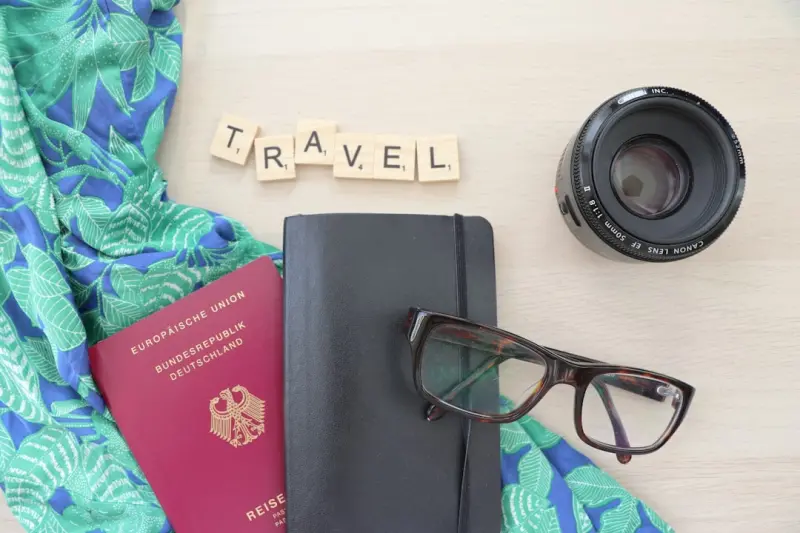
Bite‑Sized Adventures: Redefining Travel Through Hyperlocal Discovery
Travel is shifting from massive itineraries to bite‑sized adventures that focus on hyperlocal disc... Read More

Sustainable Gear Hacks for the Modern Tech Nomad
A practical guide for tech professionals on choosing sustainable travel gear, leveraging data‑driv... Read More

Executive Escape: Curating Purpose‑Driven Luxury Journeys
Executive travel can be a powerful strategic tool. By designing narrative‑driven itineraries, cura... Read More
Top Posts

Beyond Keywords: Structured Data & AI for Sustainable SEO
Learn why traditional keyword tactics are obsolete for SaaS SEO and how combining structured data with AI‑generated content can deliver rich snippets, higher ...Read More
Semantic Search Mastery: How to Future‑Proof Your SEO Strategy
Learn why semantic search is the new SEO frontier, how to build concept clusters, model user intent, and leverage structured data to secure rich results and sta...Read More

Brightening Your Home: Light, Air, and Simple Hacks for a Healthier Space
Learn how to transform any room with budget‑friendly tricks that boost natural light, enhance ventilation, and keep clutter at bay, creating a brighter, healt...Read More
How Biofeedback and AI Are Redefining Modern Travel
Explore how wearable biofeedback and AI-powered itinerary tools are creating healthier, more personalized travel experiences, turning every journey into a dataâ...Read More
0 Comments
Post Comment
You will need to Login or Register to comment on this post!