
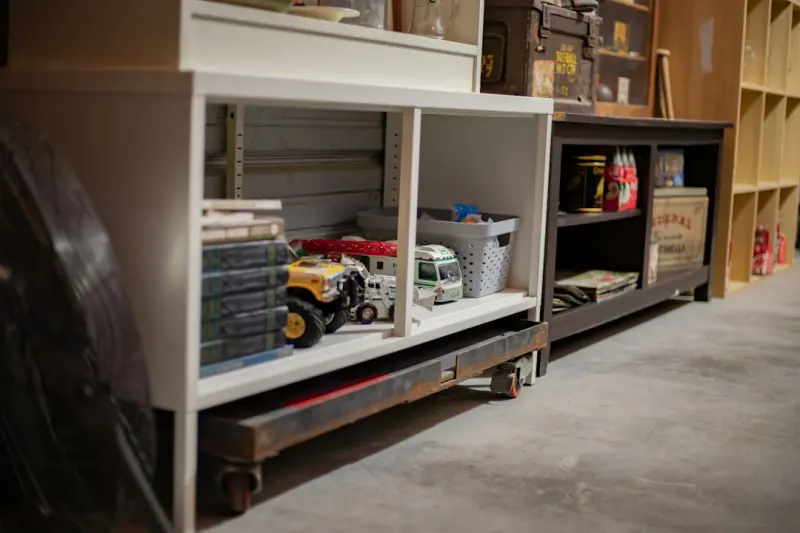
When you walk into a bedroom, a kitchen, or even a hallway, the first thing you notice is often how much—or how little—space you actually have. For many of us, the home is a dynamic stage where rooms double‑duty, belongings multiply, and the quest for order feels endless. Yet, a well‑planned storage system can transform a cramped closet into a sleek showcase, a chaotic pantry into a curated pantry, and a cluttered entryway into a welcoming welcome mat.
Why “Modular” Beats “Traditional” Every Time
Traditional storage—fixed shelves, single‑purpose bins, and static hooks—has a comforting predictability, but it also imposes limits. Your life changes: seasons shift, hobbies evolve, and families grow. Modular storage embraces that fluidity. By using interchangeable components—stackable cubes, adjustable rails, and portable bins—you create a system that grows with you, rather than one you outgrow.
Think of each piece as a Lego brick for your home. When you need more hanging space for winter coats, simply add a new rod. When spring cleaning calls for a shoe rack, slide in a set of shallow drawers. The flexibility reduces the need for costly remodels and keeps your aesthetic fresh.
Step‑by‑Step Blueprint for a Modular Closet Overhaul
Below is a practical, room‑by‑room approach that you can adapt to any area of your house. The focus is on low‑cost, high‑impact upgrades that anyone can install over a weekend.
- Assess the Space. Pull everything out and measure the interior dimensions. Note any irregularities—sloped ceilings, recessed corners, or built‑in features that could be leveraged.
- Choose a Core System. Brands like modular wardrobe rails and stackable cube organizers provide a solid backbone. Look for components with a 2‑inch spacing for maximum adjustability.
- Segment by Category. Create zones: hanging, folded, shoes, accessories, and “misc.” Assign each zone a dedicated module type—e.g., hanging rods for jackets, cubed bins for scarves.
- Integrate Vertical Space. Install a high‑up shelf for rarely‑used items. Use decorative baskets to keep the look cohesive while hiding dust‑collectors.
- Label with Style. Clear acrylic tags or magnetic labels add a polished look and make it easy for every family member to locate items.
Creative Hacks for Small‑Space Kitchens
Even the most compact kitchens can feel spacious with the right storage tricks. Here are three modular ideas that turn every nook into a functional feature.
- Pull‑Out Pantry Shelves. Install slim, sliding shelves inside narrow gaps between the fridge and wall. They act like mini‑drawers for spices, canned goods, or snack packs.
- Magnetic Knife Strips + Modular Hooks. Instead of a bulky knife block, mount a magnetic strip. Complement it with modular hooks that can be repositioned for cutting boards, mugs, or even reusable shopping bags.
- Stackable Canisters. Use airtight, stackable containers for dry goods. Their uniform shape lets you stack vertically, freeing up countertop real estate.
Transforming the Entryway: From Chaos to Calm
The entryway is the first impression of your home’s organization. A modular approach can keep shoes, coats, and daily essentials tidy without sacrificing style.
- Adjustable Bench with Hidden Storage. Choose a bench with removable lids that double as seating and a storage chest.
- Modular Wall Grid. A pegboard or metal grid allows you to hang hooks, small baskets, and key trays. Change the layout whenever you like.
- Expandable Shoe Rack. Stackable shoe cubes can start as a single row and expand horizontally as your shoe collection grows.
Beyond the Home: How Modular Storage Supports Wellness
Clutter isn’t just an eyesore; it can increase stress and reduce mental clarity. By establishing a predictable, organized environment, you set the stage for better focus and calm. For a deeper dive into creating a sanctuary that nurtures both body and mind, check out the ultimate guide to building a home wellness hub. Pairing thoughtful storage with soothing elements—like plants, soft lighting, and aromatherapy—creates a holistic space that supports wellbeing.
Budget‑Friendly Materials and Where to Find Them
High‑end modular systems can be pricey, but you don’t need to break the bank. Here are some cost‑effective options:
- Repurposed Pallets. Sanded and painted, pallets become sturdy shelving units.
- DIY PVC Frames. PVC pipes with connectors make adaptable hanging racks for accessories or tools.
- Second‑Hand Finds. Thrift stores and online marketplaces often carry vintage crates, wooden boxes, and metal baskets perfect for modular setups.
Maintaining Your Modular System
Once you’ve invested time in setting up your modular storage, keeping it functional is straightforward. Schedule a quarterly “reset” where you:
- Re‑evaluate each zone—does anything need to be relocated?
- Empty containers, wipe them down, and refold or re‑store items.
- Check the integrity of hardware—tighten screws, replace worn hooks.
This habit prevents the system from becoming a stagnant backdrop and keeps it responsive to life’s shifts.
Real‑World Inspiration: A Case Study
Emily, a freelance graphic designer living in a loft, faced a common dilemma: limited closet space and an overflowing pantry. By adopting a modular approach, she transformed a 4‑foot wall into a custom wardrobe with adjustable rails, three tiers of pull‑out bins, and a high shelf for seasonal items. In the kitchen, she installed pull‑out pantry shelves and stackable canisters that freed up 20% of her countertop. Six months later, Emily reports feeling less rushed in the mornings and more inspired in her work, citing the decluttered environment as a key factor.
Integrating Tech for a Smarter Storage Experience
While the core of modular storage is low‑tech, integrating simple digital tools can elevate convenience. For example, you can pair a wearable stress monitor with a smart lighting system that dims when you’re feeling overwhelmed, prompting you to tidy up and create a calm atmosphere.
Another low‑effort tech tip: use a QR‑coded inventory sheet placed on the back of a pantry door. Scan the code with your phone to see a list of items and expiration dates, reducing food waste and keeping your pantry organized.
Final Thoughts: Make Modularity Your Home’s Superpower
The beauty of modular storage lies in its adaptability. It respects the fluid nature of modern life, allowing you to pivot, expand, and refine without the headache of major renovations. By embracing a mindset that sees each room as a canvas for interchangeable components, you gain control over clutter, boost your home’s aesthetic, and nurture a more peaceful daily rhythm.
Start small—pick one closet, one kitchen shelf, or one entryway corner—and watch how the ripple effect transforms the rest of your home. Your space is waiting to be re‑imagined, one modular piece at a time.

Karen Edwards is a seasoned freelance writer with a passion for all things furry, feathered, and scaled. With a dedicated focus on pets, she brings a wealth of knowledge and a keen eye for detail to her writing.
Related Posts

How to Build a Focus‑Fueling Home Hub Without a Full Renovation
A practical guide to designing a home hub that blends work, wellness, and comfort using lighting, er... Read More

Designing a Sensory Reset Hub: Tiny Spaces That Recharge Your Day
Discover how to build a small, purpose‑driven sensory reset hub in your home—combining light, sc... Read More
The Secret to a Stress‑Free Home: Simple Systems That Work
Learn how to create effortless home routines with micro‑zones, one‑touch habits, invisible stora... Read More
Top Posts

Synthetic Data: The Unsung Hero Powering Scalable SaaS AI
Synthetic data lets SaaS firms train powerful AI models without exposing real user information, delivering speed, compliance, and cost savings in one package....Read More

When Google’s Generative Search Becomes Your B2B Research Assistant
Google’s new generative search transforms simple queries into concise, citation‑rich briefings, offering B2B SaaS teams a faster, more reliable way to gathe...Read More

Co‑Creating Value: How Community‑Led Campaigns Supercharge B2B SaaS Growth
By turning customers into co‑creators, B2B SaaS marketers can generate authentic content, uncover real‑time insights, and build a self‑sustaining growth l...Read More

Why Edge‑First SaaS Is the Next Evolution in Cloud Strategy
Edge‑first SaaS moves compute closer to users, slashing latency, improving privacy, and opening new business models. Discover the architecture, benefits, and ...Read More
0 Comments
Post Comment
You will need to Login or Register to comment on this post!