
Why Food Maps Are the New Compass for Modern Travelers
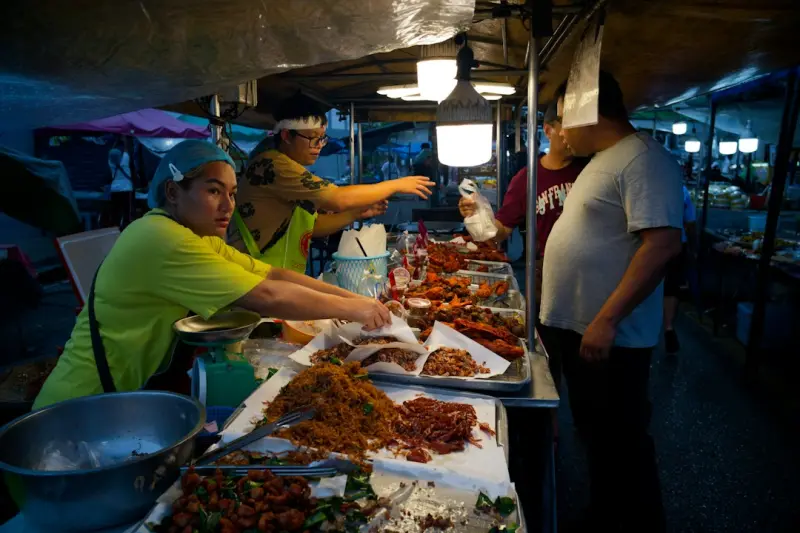
Ever stood in a bustling market, the scent of simmering spices swirling around you, and felt the world tilt just a little bit? That moment, where taste meets place, is the secret handshake of the truly adventurous traveler. I’m Michelle Fisher, and over the past decade I’ve swapped boardrooms for street stalls, conference calls for cooking classes, and I’ve learned that the most reliable way to understand a culture is through its food. This isn’t the “eat‑the‑tourist‑spots” advice you see on generic travel blogs. I’m talking about a deliberate, map‑driven approach that turns every bite into a waypoint on a personal journey.
The Problem with Traditional Itineraries
Most travel guides still operate on a check‑list model: see the Eiffel Tower, grab a pizza in Naples, snorkel the Great Barrier Reef. While that works for first‑timers, it often reduces a destination to a series of postcards. The unplugged wanderlust movement reminded us to slow down, but it didn’t give us a concrete tool for weaving deeper experiences into a schedule already packed with “must‑sees.”
Enter the food map: a living, breathing diagram that plots culinary experiences alongside cultural landmarks, transport hubs, and personal interests. It forces you to ask questions like “Where do locals eat breakfast?” or “Which neighborhood hosts a midnight market?” and then translates those answers into visual, actionable routes.
Building Your First Flavor Trail
Creating a flavor trail might sound daunting, but it’s essentially a three‑step process:
- Research the palate. Start with broad research—regional cuisines, signature dishes, seasonal ingredients. Use local blogs, Instagram hashtags, and food‑focused podcasts to capture the flavor spectrum of your destination.
- Identify anchor points. Choose three to five culinary “anchors” that will serve as primary stops. These could be a famed street‑food stall, a historic bakery, a family‑run ramen shop, or a community garden tour.
- Map the journey. Plot your anchors on a map, then weave in secondary experiences: food markets, cooking workshops, farm‑to‑table pop‑ups, and even grocery stores where you can pick up fresh produce for a picnic. Connect each point with the most efficient transport mode—walking, biking, public transit—to keep the flow natural.
When I first tried this method in Oaxaca, Mexico, I began with the anchor of tlayudas at a modest roadside stand. From there, I plotted a market visit, a mezcal‑making workshop, and a family dinner in a remote village. The result? A week that felt less like a series of tourist stops and more like a deep dive into a living culture.
Why the Sensory Layer Matters
Travel is inherently multisensory, yet most itineraries only cater to sight. By foregrounding taste—and the associated aromas, textures, and even sounds—you’re automatically engaging more of your brain’s memory centers. Studies show that olfactory cues trigger the strongest recollection of an experience. That’s why a single spoonful of pho can instantly transport you back to a rainy Hanoi alleyway.
Integrating this sensory layer also helps you avoid “tourist fatigue.” Instead of cramming five museums into a day, you can intersperse a cooking class between gallery visits, giving yourself a mental palate cleanser. It’s a subtle form of self‑care that aligns perfectly with the Layover Labs philosophy of turning idle moments into creative power‑ups.
Flavor Trails for Different Travel Personas
Not every traveler is a food‑journalist, but everyone can benefit from a taste‑centric map. Below are three archetypes and how they can tailor a flavor trail to their style:
1. The Business Nomad
For those who blend work and travel, the key is efficiency without sacrificing authenticity. Identify eateries within coworking districts that offer reliable Wi‑Fi and a menu that fuels focus—think avocado toast, matcha lattes, or hearty grain bowls. Then schedule a “lunch learning” session where you meet a local chef for a 30‑minute demo. This not only nourishes you but also creates networking opportunities, echoing the spirit of Nomadic Networking.
2. The Family Explorer
Kids often view food as a fun adventure. Turn the flavor trail into a scavenger hunt: collect a “stamp” (a photo or a napkin) from each food stall, then reward the family with a cooking class where everyone recreates a dish they loved. This approach teaches cultural appreciation while keeping the itinerary playful.
3. The Solo Wanderer
Traveling alone can be intimidating, especially when dining out. Use the map to pinpoint communal tables, cooking workshops, or food tours that naturally foster conversation. The shared experience of a shared plate often leads to spontaneous friendships that become the most memorable part of the trip.
Technology Meets Tradition: Using Digital Tools Wisely
While the concept of a flavor trail is low‑tech at its core—just a pen, paper, and a map—there are digital tools that can enhance accuracy without overwhelming you. Apps like Google My Maps let you drop pins, add notes, and share the map with fellow travelers. For a more immersive experience, consider AR‑enabled city guides that overlay dish descriptions onto real‑world locations.
But a word of caution: don’t let the tech become a distraction. The goal is to stay present, to taste, to listen, to smell. Use the app as a backstage crew, not as the star of the show.
Seasonality: The Secret Ingredient
Every region has a culinary calendar. In Japan, cherry‑blossom season brings hanami dango; in Italy, the late summer harvest yields fresh figs and ricotta. By aligning your flavor trail with seasonal produce, you unlock dishes that are at their peak flavor and often priced more affordably.
To discover seasonal windows, consult local farmer’s market calendars, check social media for festival announcements, and ask hosts or locals. The effort pays off: you’ll taste dishes that may disappear from menus after a few weeks, making your travel story truly unique.
Beyond Food: Incorporating Drinks and Rituals
Alcoholic and non‑alcoholic beverages are cultural cornerstones. A tea ceremony in Taiwan, a coffee cupping session in Ethiopia, or a mezcal tasting in Oaxaca can be the centerpiece of a day’s itinerary. These rituals often involve storytelling, history, and a communal vibe that enriches the overall experience.
Practical Tips for a Seamless Flavor Trail
- Learn key phrases. Even a simple “Where is the best place for …?” in the local language opens doors.
- Carry a small notebook. Jot down flavor notes, ingredient lists, and the names of people you meet. This becomes a personal culinary journal.
- Stay flexible. The best food experiences are often spontaneous. Allow buffer time in your map for unexpected stalls or street performances.
- Respect local customs. Some cultures have specific etiquette around sharing dishes or eating certain foods. Research ahead to avoid faux pas.
- Mind dietary restrictions. If you have allergies or preferences, note them on your map and look for symbols (gluten‑free, vegan) that guide you.
Case Study: A Flavor Trail Through Lisbon’s Alfama District
Last spring I spent five days in Lisbon, but instead of hopping between the Belém Tower and the bustling Baixa, I crafted a flavor trail that kept me rooted in Alfama—a maze‑like neighborhood known for its Fado houses and traditional eateries.
Day 1 – Breakfast at a 70‑year‑old pastelaria. I started with pastéis de nata paired with a strong espresso. The shop owner shared the secret: a hint of lemon zest in the custard.
Day 2 – Market immersion. I visited Mercado da Ribeira, mapping stalls that offered bacalhau (salted cod) preparations. I purchased a small portion to learn the classic bacalhau à brás technique from a home‑cooking stall.
Day 3 – Cooking workshop. A local grandmother invited a small group into her kitchen. We prepared caldo verde, a kale and potato soup, while she narrated stories of post‑war Lisbon.
Day 4 – Fado and wine. An evening at a hidden Fado house included a tasting of vinho verde with a platter of grilled sardines. The music, the sea‑salted aroma, and the wine created an unforgettable sensory overlay.
Day 5 – Dessert stroll. I ended with a stroll along the Tagus River, stopping at a pop‑up gelato cart that used locally sourced citrus. The map had led me to a spot I would have otherwise missed.
Result? A trip that felt less like sightseeing and more like becoming a temporary member of the community. My flavor trail turned a generic itinerary into a personal narrative that I still recount in boardrooms when discussing the power of immersive experiences.
Measuring the Impact: How to Know Your Flavor Trail Worked
Unlike conventional travel metrics (number of landmarks visited), a flavor trail’s success is qualitative:
- Memory retention. Can you recall the taste of a dish without a photo?
- Emotional connection. Did a particular meal trigger a story you shared with friends or colleagues?
- Behavioral change. Have you tried recreating a recipe at home or sought out similar dishes in your hometown?
- Social amplification. Did you receive comments or questions on social media about a unique food experience?
Tracking these signals in a simple journal helps you refine future flavor trails, making each journey richer than the last.
Conclusion: Turn Your Next Trip Into a Culinary Expedition
Travel is more than ticking boxes; it’s about tasting the world in all its complexity. By turning your itinerary into a flavor trail, you give yourself permission to linger, to ask questions, and to savor the subtle stories that only food can tell. The next time you book a flight, think beyond the destination—think about the flavors waiting to map themselves onto your memory. And remember, the most rewarding journeys are the ones where your stomach leads the way.

In the world of freelance writing, where creativity and adaptability are paramount, Michelle Fisher stands out as a dedicated and versatile professional. With a passion for crafting compelling narratives and a keen eye for detail, Michelle has established herself as a trusted voice.
Related Posts

Micro‑Escapes: The Power of Ultra‑Short Getaways in a Hyper‑Connected World
Micro‑escapes—brief, purposeful trips lasting a few hours to a weekend—are reshaping travel an... Read More

Sensory Journaling: Turning Everyday Wanderings into a Living Archive
Explore the art of sensory journaling to turn each journey into a rich, multi‑dimensional archive.... Read More

Why the Airport Terminal Is the Ultimate Remote‑Work Playground
Discover how to transform airport terminals into high‑impact remote‑work spaces using micro‑br... Read More
Top Posts

Navigating Google’s AI‑Driven Search: A Playbook for B2B SaaS Marketers
A deep dive into Google’s Search Generative Experience, showing B2B SaaS marketers how to adapt keyword research, content creation, and analytics while levera...Read More

Google’s 2024 AI Wave: Rose DesRochers’ Insider Perspective on the Search Revolution
Rose DesRochers shares her front‑row take on Google’s 2024 AI wave, revealing how the algorithm shift reshapes SEO, user experience, and future content stra...Read More

Light Up Your Life: Home Lighting Strategies for Health, Focus, and Mood
A comprehensive guide to using light strategically across your home, from work zones to bedtime, with smart bulbs, LED upgrades, and DIY hacks for better health...Read More

Inside Google’s Search Experience Labs: The Real‑Time Intent Revolution
Google’s Search Experience Labs turn search into a real‑time dialogue, demanding marketers adapt instantly to shifting user intent and leverage new SEO tact...Read More
0 Comments
Post Comment
You will need to Login or Register to comment on this post!