

Why Ultra‑Short Trips Are the Next Big Travel Trend
When I first swapped my 9‑to‑5 office for a co‑working space in a seaside town, I thought I needed a month‑long sabbatical to feel the difference. What I discovered instead was the astonishing power of a micro‑escape—a getaway that lasts anywhere from a single afternoon to a long weekend. In a world that rewards speed, connectivity, and relentless output, these bite‑sized adventures have become the secret weapon for staying fresh without sacrificing momentum.
The Science Behind the Short‑Term Recharge
Neuroscience tells us that novelty triggers dopamine release, sharpening focus and creativity. Yet the same brain circuits also demand recovery; prolonged stress depletes the very neurotransmitters that fuel performance. A micro‑escape hits the sweet spot: it provides enough novelty to spark dopamine while staying brief enough to avoid the cortisol buildup that comes with extended travel planning and jet lag.
- Immediate mood lift: Even a 4‑hour change of scenery can lift serotonin levels, reducing feelings of burnout.
- Creative jumpstart: New environments force the brain to form fresh neural pathways, a boon for problem‑solvers.
- Productivity boost: Studies show a 15‑20% spike in post‑trip output when employees return from short breaks.
Economic Ripple Effects: How Cities Are Catering to the 24‑Hour Tourist
Municipalities that once focused on attracting week‑long vacationers are now redesigning their economies around the 24‑hour tourist. Pop‑up museums, night‑time markets, and flexible “work‑and‑play” packages are sprouting up in neighborhoods that previously catered only to locals. This shift is not just a cultural phenomenon; it’s a pragmatic response to the rise of remote work and the gig economy. By offering high‑impact experiences that fit into a single evening, cities capture revenue that would otherwise be lost to longer‑stay travelers.
Take the coastal town of Port Isla, for example. The local council launched a “Sunset Sprint” program: a curated 3‑hour itinerary that includes a bike ride along the pier, a tasting of locally sourced tapas, and a guided stargazing session with a professional astronomer. Within six months, the town reported a 12% increase in tourist‑related spending despite a stable number of overnight guests.
Planning a Micro‑Escape Without the Hassle
One of the biggest myths about short trips is that they require exhaustive planning. In reality, the secret lies in modular itineraries—pre‑designed, interchangeable activity blocks that you can mix and match based on time, weather, and mood.
- Define the purpose: Is it relaxation, adventure, cultural immersion, or networking? A clear intent narrows choices.
- Set a time budget: Allocate minutes for travel, activity, and buffer. Remember that the journey itself should feel like part of the experience, not a chore.
- Leverage technology: Use apps that aggregate real‑time data on traffic, venue capacity, and weather. Many platforms now integrate hyper‑personalized journeys powered by AI, delivering instant recommendations that align with your preferences.
- Pack light, pack smart: A versatile capsule wardrobe—think one pair of neutral pants, a quick‑dry shirt, and a lightweight jacket—covers most scenarios without the baggage.
- Pre‑book the core element: Whether it’s a table at a rooftop bar or a guided hike, securing the highlight removes decision fatigue.
Tech Tools That Turn a 2‑Hour Break into an Adventure
Travel tech has evolved from simple flight aggregators to immersive, data‑driven platforms. Here are three categories of tools that make micro‑escapes effortless:
- Real‑time local insights: Apps that surface pop‑up events, flash sales, and last‑minute tours. They often pull from social signals and augmented reality urban exploration layers, letting you discover hidden gems with a quick scan.
- Dynamic itinerary generators: AI‑powered planners that ask a few questions and output a full schedule, complete with travel times and reservation links.
- Well‑being trackers: Wearables that monitor stress levels and suggest optimal break windows, ensuring your micro‑escape truly recharges you.
Case Study: The “Weekend Warrior” Model in Action
At my previous startup, we introduced a “Weekend Warrior” policy: each employee could take a 48‑hour micro‑escape every quarter, fully reimbursed by the company. The result?
- A 22% reduction in reported burnout symptoms.
- Team brainstorming sessions post‑trip produced 30% more viable product ideas.
- Employee turnover dropped by 8% within a year.
What made this program succeed was its focus on brevity and relevance. Employees were encouraged to pick destinations that aligned with personal passions—whether that meant a mountain hike, a culinary tour, or a museum crawl—rather than generic “team retreats.” The policy’s flexibility also meant that even a quick day‑trip to a nearby town counted, reinforcing the idea that meaningful recharge doesn’t have to be a marathon.
Micro‑Escapes as a Tool for Mental Resilience
Beyond the productivity metrics, micro‑escapes serve as a mental resilience training ground. By repeatedly stepping out of your routine for short intervals, you practice adaptability—a skill that translates directly to the workplace. The act of quickly resetting your environment, recalibrating your senses, and returning with a fresh perspective builds a mental muscle that combats chronic stress.
In practice, this means you can approach a high‑stakes client presentation after a 2‑hour beach walk with a calmer heart rate and clearer mind than after an all‑night work session. Over time, this habit forms a buffer against burnout, allowing you to sustain high performance without the dreaded “crash.”
Future Outlook: How Micro‑Escapes Will Evolve
Looking ahead, we can expect three major developments that will amplify the micro‑escape movement:
- Hyper‑localized travel ecosystems: Cities will partner with transportation providers to create “micro‑hub” zones—designated areas where you can hop on a bike, attend a pop‑up workshop, and grab a bite, all within a 30‑minute radius.
- AI‑curated surprise itineraries: Leveraging real‑time data, platforms will begin offering “mystery micro‑escapes” where the destination and activities are revealed only moments before departure, heightening the novelty factor.
- Wellness‑first travel policies: More companies will embed micro‑escape allowances into benefits packages, treating them as essential mental‑health interventions rather than optional perks.
Putting It All Together: Your First Micro‑Escape Blueprint
Ready to test the waters? Here’s a quick, actionable blueprint you can execute this weekend:
- Pick a theme: Choose one focus—food, art, nature.
- Identify a 2‑hour travel radius: Use a map app to locate towns or districts within a 30‑minute drive or train ride.
- Find a “signature” activity: Look for a local event, a chef’s tasting menu, or a guided walk. Platforms that offer community‑driven adventures can be gold mines for these.
- Reserve a simple lunch or coffee spot: A single meal reservation anchors your timeline and eliminates indecision.
- Set a “digital sunset”: Turn off work notifications an hour before you leave to fully engage.
- Reflect on return: Journal three insights or moments of joy you experienced. This reinforces the mental benefits and informs your next micro‑escape.
Final Thoughts: Make the Short Sweet
Micro‑escapes are more than a travel fad; they’re a strategic response to the modern work‑life paradox. By embracing brief, intentional getaways, you unlock a trifecta of benefits—enhanced mental health, boosted creativity, and tangible economic impact for the places you visit. The next time you feel that familiar tug of fatigue, remember: you don’t need a month off to reset. A few hours, a fresh perspective, and a well‑curated itinerary are all it takes to turn the ordinary into the extraordinary.

David Moore is a freelance writer specializing in two dynamic and ever-evolving fields: gambling and the tech industry. With a keen eye for detail and a knack for unraveling complex topics, David delivers insightful and engaging content that keeps readers informed and entertained.
Related Posts

Sustainable Gear Hacks for the Modern Tech Nomad
A practical guide for tech professionals on choosing sustainable travel gear, leveraging data‑driv... Read More

The Wanderer's Canvas: Crafting Stories From Unscripted Journeys
Sanji Patel shares a fresh take on travel, treating each journey as a blank canvas where spontaneous... Read More

Travel as a Mobile Innovation Lab: Turning Detours into Business Insights
Learn to treat travel as a mobile laboratory: design mini‑experiments, capture data on the go, and... Read More
Top Posts

AI‑Enabled Ethical Guardrails: Building Trustworthy SaaS Products
Explore a pragmatic framework for integrating ethical guardrails into AI-driven SaaS products, covering data hygiene, model transparency, human‑in‑the‑loo...Read More
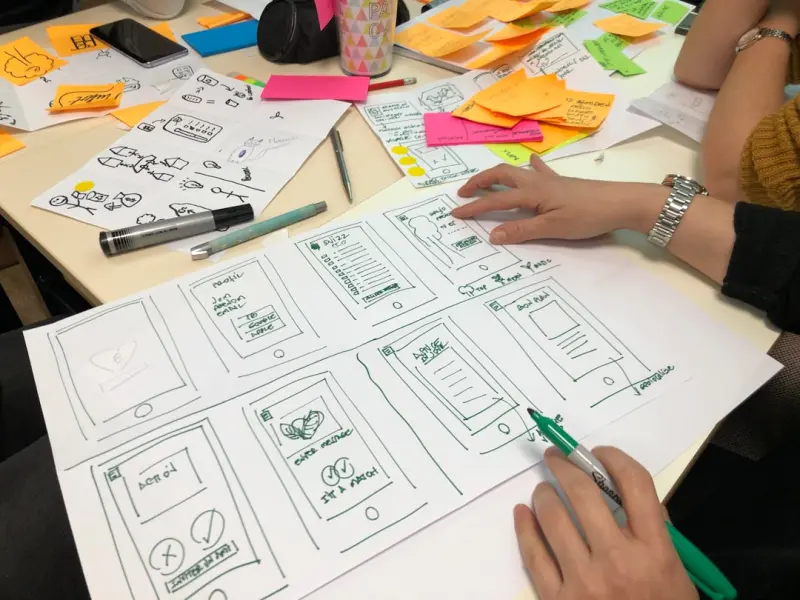
Sensory Storytelling: Crafting Multi‑Sense Experiences for B2B Buyers
Margaret Thomson explains why adding sight, sound, touch, scent, and even taste to B2B campaigns can cut through data overload, enhance brand recall, and drive ...Read More

Federated Learning: The Privacy‑First Frontier for AI‑Powered SaaS Personalization
Federated learning enables SaaS providers to train AI models directly on user devices, preserving privacy while delivering hyper‑personalized experiences. Thi...Read More
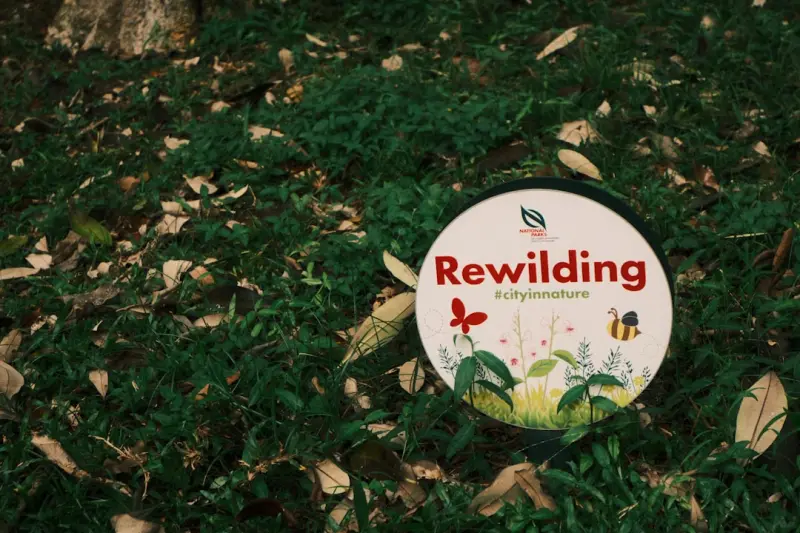
Rewilding Your Daily Routine: How Nature Immersion Boosts Health
A fresh take on health: learn to weave nature into your daily habits for lasting mental and physical benefits....Read More
0 Comments
Post Comment
You will need to Login or Register to comment on this post!