

Layover Labs: Turning Airport Wait Times into Creative Power‑Ups
When most people think about travel, they picture scenic vistas, exotic cuisines, or the thrill of ticking off a bucket‑list destination. For me, the true goldmine lies in the moments most travelers try to avoid: the inevitable layovers. As a remote product leader who’s spent more time in bustling terminals than in a traditional office, I’ve learned to treat every pause between flights as a micro‑lab for ideation, reflection, and strategic thinking.
Why Layovers Deserve a Seat at the Strategy Table
Layovers are uniquely positioned at the intersection of disruption and focus. The constant hum of announcements, the ebb and flow of crowds, and the limited yet predictable time frame force you into a state of heightened awareness. This environment, surprisingly, mirrors the constraints that spark creativity in product development:
- Timeboxing: You know exactly how long you have—30 minutes, two hours, or an entire day. That clarity lets you set a concrete goal and sprint toward it.
- Context Switching: Moving from a plane to a terminal and then to a gate mirrors the rapid context switches we face when juggling feature requests, stakeholder feedback, and market research.
- Environmental Stimuli: The visual chaos of departure boards, the multilingual chatter, and the architecture of modern airports provide a rich tapestry of stimuli that can trigger associative thinking.
In short, a layover isn’t just a delay—it’s a built‑in sprint window that, when structured correctly, can deliver the same breakthroughs we chase in quarterly planning sessions.
Designing Your Layover Lab
To turn a layover into a productive session, I follow a three‑step framework I call Capture‑Curate‑Commit. Think of it as a portable workshop you can deploy at gate A12 or the VIP lounge.
1. Capture: Quick‑Fire Idea Harvest
As soon as you set foot in the terminal, pull out a small notebook or open a note‑taking app. The goal is to capture any lingering thoughts from the flight or upcoming meetings. I usually ask myself three prompts:
- What is the biggest friction point users reported last week?
- Is there a hypothesis about our onboarding flow that we haven’t tested?
- What emerging trend (AI, sustainability, new data regulations) could impact our roadmap?
Because the environment is noisy, I keep the capture window under five minutes. The key is to externalize the mental clutter before it dissipates.
2. Curate: Structured Reflection
Once you’ve captured raw ideas, it’s time to impose structure. I use a quick intent‑centric framework—originally designed for SEO but perfect for sorting product thoughts. Ask yourself:
- Intent: What problem does this idea solve?
- Impact: If we ship this, how would it move our key metrics?
- Effort: What resources are needed, and can we prototype within a sprint?
This three‑column mental map transforms a scattered list into a shortlist of high‑potential experiments.
3. Commit: Actionable Sprint Planning
With a refined shortlist, I allocate the remaining layover time to create a mini‑sprint plan. I write down:
- Specific deliverables (e.g., “draft user flow for feature X”).
- Owners (who on the team will take the next step).
- Deadlines (often the next working day).
Even if the layover ends before you execute, you’ve left the terminal with a crystal‑clear action list. The momentum carries over into your first workday back at the desk.
Tools That Thrive in Terminal Conditions
Not every tool works well in a bustling airport. Here are my go‑to selections that respect limited Wi‑Fi, battery constraints, and the occasional security checkpoint:
- Offline‑First Notetakers: Apps like Notion or Evernote let you write offline and sync later.
- Voice‑Capture: Using the phone’s native recorder to dictate ideas can be faster than typing, especially when juggling a carry‑on.
- Digital Whiteboards: Miro’s mobile app offers quick sketching of user journeys without needing a full desktop.
- AI‑Assisted Summaries: A lightweight prompt in ChatGPT (or any local LLM) can turn bullet points into a concise hypothesis paragraph in seconds.
Pro tip: Keep a power bank in your carry‑on. Nothing kills a sprint faster than a dead device.
Case Study: From Gate 32 to Feature Launch
Last spring, I faced a critical decision about whether to invest in a new contextual help overlay for our SaaS dashboard. The team was split, data was inconclusive, and the upcoming product demo loomed.
During a 2‑hour layover in Helsinki, I applied the Capture‑Curate‑Commit method. Within ten minutes, I captured three user complaints about “missing guidance” and two competitor screenshots. I curated them using the intent‑centric framework, identifying a clear user intent: “quickly understand new features without leaving the page.”
By the time I boarded the next flight, I’d drafted a lightweight prototype plan, assigned a designer, and set a 48‑hour validation window. The prototype shipped, the demo succeeded, and the overlay became a permanent fixture, boosting onboarding completion rates by 12%.
This story illustrates how a brief terminal pause can catalyze decisions that would otherwise linger in endless meetings.
Integrating Layover Labs with Remote Team Culture
Remote teams often struggle with asynchronous communication fatigue. Sharing layover insights can actually enhance audio‑first updates by providing concise, pre‑recorded voice memos that capture the “aha” moments born in terminals.
Here’s a simple rollout plan:
- Set a “Layover Share” channel in your messaging platform—dedicated to short audio clips or written snapshots.
- Encourage each team member to post at least one layover insight per month. It creates a habit and surfaces diverse perspectives.
- Run a monthly “Micro‑Retrospective” where the team reviews the collected insights and votes on the most actionable ideas.
This ritual not only democratizes idea generation but also normalizes the notion that inspiration can strike anywhere, not just in a conference room.
Beyond the Terminal: Extending the Lab to Other Travel Touchpoints
While layovers are prime, the same framework works in cafés, hotel lobbies, or even on long train rides. The core principle is to treat any travel‑induced pause as a bounded experiment window. Some variations:
- Café Sprint: Use the ambient background music to set a tempo for rapid brainstorming.
- Hotel Lobby Ideation: Leverage the natural “check‑in/check‑out” rhythm to structure a two‑hour deep‑dive session.
- Train‑Track Prototyping: Sketch wireframes on a napkin while the scenery scrolls past—visual change can trigger fresh UI concepts.
Addressing Common Concerns
“I don’t have enough time.” – Even a 15‑minute window can yield a single, well‑defined hypothesis. The key is discipline, not duration.
“My Wi‑Fi is spotty.” – Embrace offline tools. Capture ideas first, sync later.
“I’m not a creative type.” – The structured Capture‑Curate‑Commit process removes the need for innate creativity; it simply guides you through logical steps.
Future Outlook: The Rise of “Transit‑Optimized” Workflows
As airlines and airports invest in high‑speed Wi‑Fi and dedicated work lounges, the boundary between travel and work will blur even further. Companies are already piloting “Transit‑Optimized” policies that reimburse employees for airport lounge access and provide portable monitors.
Imagine a world where the corporate intranet auto‑detects your gate number and pushes a curated agenda for the layover—complete with suggested reading, a quick‑capture prompt, and a link to a shared whiteboard. That’s the next frontier of remote work, and it starts with the mindset shift I’m advocating today.
Takeaway Checklist
- Identify your next layover and allocate a 15‑minute “Lab” slot.
- Bring an offline‑ready notetaking tool.
- Run the Capture‑Curate‑Commit routine.
- Share a concise audio or written update with your team.
- Iterate and refine the process for each subsequent trip.
Next time you’re stuck between flights, don’t just stare at the departure board—turn that pause into a strategic advantage. The terminal isn’t a roadblock; it’s a launchpad for the next big idea.

Dale Peterson is a freelance writer with a passion for technology, travel, law and personal finance. With 10 years of experience crafting compelling and informative content, he's dedicated to delivering high-quality writing for Blogging Fusion that engages audiences and achieves specific goals.
Related Posts

Rediscovering Home: How Community‑Hosted Stays Transform Modern Travel
Community‑hosted stays turn travel into a shared story, offering authenticity, sustainability, and... Read More

Why Traveling Light Is the Ultimate Freedom Hack
Traveling light isn’t just about packing fewer items; it’s a mindset that amplifies freedom, cre... Read More

Travel Light, Live Large: Mastering the Capsule Wardrobe for Global Adventures
A guide to building a versatile five‑piece capsule wardrobe, essential lightweight tech, and mindf... Read More
Top Posts

Rewiring Your Brain: The Surprising Health Benefits of Digital Minimalism
Digital minimalism isn’t about abandoning tech—it’s about curating it to protect brain health. Learn why constant connectivity harms cognition and how int...Read More
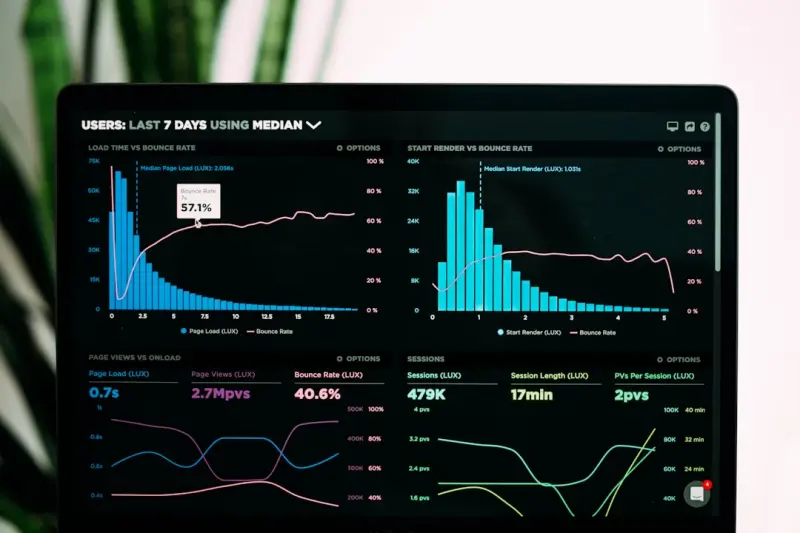
AI‑Powered Personal Knowledge Graphs: Turning Data Chaos Into Insight
Learn how to build an AI‑driven personal knowledge graph that transforms cluttered notes into a living network of insights, enhancing productivity and strateg...Read More

Interactive Video: Turning Passive Viewers into Engaged Buyers
Interactive video shifts B2B SaaS marketing from passive watching to active decision‑making, delivering personalized experiences, richer data, and higher conv...Read More
AI-Powered SaaS Onboarding: A New Customer Success Playbook
AI is reshaping SaaS onboarding from a static checklist into a dynamic, personalized journey. Learn how data collection, intelligent orchestration, and conversa...Read More
0 Comments
Post Comment
You will need to Login or Register to comment on this post!