
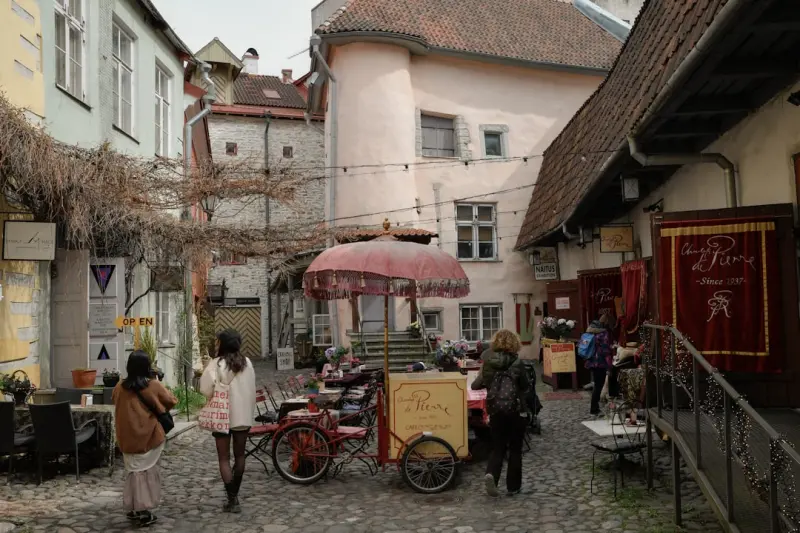
When I first boarded a rickety bus in the winding alleys of Oaxaca, I didn’t think about museums, landmarks, or even the itinerary I’d printed on my phone. I was dreaming about the smell of fresh‑made tlayudas drifting from a street stall, the crackle of a tortilla on a hot stone, the sudden burst of citrus that would slap my taste buds awake. That moment—raw, unfiltered, utterly delicious—became the compass for the rest of my trip. Since then, I’ve learned that putting food at the front of the travel agenda doesn’t just satisfy hunger; it rewires the whole journey, turning ordinary passages into unforgettable stories.
Why Food Leads the Way
We all know the cliché “you are what you eat,” but the travel version is even more literal: the places you eat become the places you become. Flavor is a direct line to memory, and memory is the engine of narrative. When you savor a bite of a dish you’ve never encountered, your brain lights up with new neural pathways, linking taste, sight, sound, and even the texture of the street beneath your feet. Those pathways are the same ones that later light up when you recall a conversation with a local, a sunrise over a rooftop, or the rhythm of a market’s hustle.
Researchers have shown that the olfactory and gustatory systems are tightly coupled with the limbic system—the region of the brain that governs emotion and memory. In practice, this means that a single spoonful of pho in Hanoi can conjure an entire afternoon of rain‑splattered streets, motorbikes buzzing like bees, and the laughter of a stranger who offered you the extra lime wedge.
Mapping the Flavor Trail
Instead of building a travel map around monuments, I start with a flavor map. I ask myself: “What’s the signature dish that defines this region? Where do the locals eat it?” From there, I plot a route that strings together markets, street carts, and family‑run eateries. The result is a kinetic, sensory‑rich itinerary that feels less like a schedule and more like a treasure hunt.
Here’s a quick framework I use:
- Identify the flagship flavor. Is it sushi in Tokyo, injera in Addis Ababa, or chaat in Delhi?
- Locate the neighborhood hubs. Often the best food lives a few blocks away from the tourist‑centric zones.
- Layer experiences. Pair a bustling market visit with a nearby cooking class or a coffee‑brew ritual at a hidden café.
- Leave room for spontaneity. The best dishes are the ones you discover when you deviate from the plan.
The Science Behind Taste and Memory
Our brains love stories, and food is an incredibly effective storytelling device. When you taste something novel, your brain releases dopamine—the pleasure neurotransmitter—creating a reward loop that makes you want to explore further. This same dopamine surge can enhance focus and creativity, which explains why many writers and designers deliberately seek out culinary adventures before tackling a big project.
In fact, a study from the University of Barcelona found that participants who ate a meal featuring unfamiliar spices performed better on subsequent problem‑solving tasks than those who ate a bland, familiar dish. The researchers hypothesized that the sensory novelty forced the brain out of its comfort zone, prompting more flexible thinking.
Practical Tips for Food‑First Planning
Turning the idea of “food‑first travel” into a concrete plan is easier than you might think. Below are actionable steps that have helped me transform my trips:
- Research beyond the guidebooks. Look for food blogs, local Instagram hashtags, and Reddit threads that discuss hidden gems. A simple search for “best street food in city” often yields gold.
- Use language basics. Knowing how to say “I’m allergic to…”, “Is this spicy?”, or “Can I have it without…?” can open doors to kitchen conversations and insider recommendations.
- Pack a “taste notebook”. Jot down ingredients, textures, and emotions associated with each dish. This not only preserves memories but also helps you notice patterns across cultures.
- Schedule downtime around meals. Rather than rushing from museum to museum, give yourself a leisurely lunch break in a local plaza. Let the pace of eating set the tempo for the rest of the day.
- Stay flexible. If a vendor’s line is too long, ask the staff for an alternative recommendation nearby. Flexibility is the secret sauce of any successful food adventure.
Beyond the Plate: Cultural Immersion
Food is the most accessible entry point to a culture’s soul. While you’re waiting for your pad thai to be wok‑tossed, you’re also witnessing the rhythm of daily life: the chatter of locals, the clatter of dishes, the occasional stray cat weaving between tables. These micro‑interactions are the sensory passport that turns ordinary travel moments into creative power.
Take, for instance, the tradition of “pão de queijo” in Brazil. It’s more than a cheese‑bread snack; it’s a ritual of sharing, a moment when strangers become friends over a steaming, chewy bite. Engaging with that ritual gives you a glimpse into the country’s communal values—something a museum plaque could never convey.
Case Study: A Day in a Hidden Market
Last autumn, I spent a day in the sprawling Chandni Chowk market of Delhi, not to photograph the architecture but to chase the aroma of “chaat” through narrow lanes. I arrived at sunrise, armed with a notebook and an empty stomach. Here’s how the day unfolded:
- Morning tea at a rooftop stall. I ordered a glass of masala chai with a side of “pakoras.” The steam curled around the city’s early light, and I felt an instant connection to the vendors who had been serving this blend for generations.
- Mid‑morning snack: “golgappa”. I watched the vendor assemble each bite—crisp hollow sphere, a dollop of tamarind water, potatoes, and chickpeas—then popped it into my mouth. The burst of sweet, sour, and spicy flavors sparked a sudden rush of ideas for a new article I’d been procrastinating on.
- Cooking demo. A local family invited me into their modest kitchen to learn how to make “aloo paratha.” Rolling the dough and kneading the potatoes was meditative; I felt the rhythm of their hands echoing the market’s pulse.
- Evening dinner: “biryani” feast. I joined a group of strangers at a communal table, sharing stories over fragrant rice layered with saffron, meat, and caramelized onions. The conversation naturally drifted to travel tips, cultural quirks, and future culinary quests.
The day left me not just full, but profoundly inspired. Each bite was a story, each conversation a thread weaving me deeper into the fabric of Delhi.
Integrating Tech Without Distraction
As a B2B SaaS professional, I’m tempted to lean on apps for everything—from translation to navigation. While technology can enhance the food‑first approach, it can also pull you out of the moment. Here are ways to strike a balance:
- Use offline maps. Download the area’s map ahead of time so you’re not constantly scrolling for directions.
- Leverage language assistants sparingly. A quick phrasebook lookup is fine, but try to rely on gestures and facial expressions as much as possible.
- Set “phone‑free” windows. Allocate 30‑minute intervals during meals where the phone is stowed away. You’ll notice the flavors—and the people—more sharply.
- For those who crave a deeper dive into productivity while traveling, you might find the insights from the long train ride productivity hack surprisingly applicable to long bus rides between food markets.
From Food‑First to Life‑First
When you let gastronomy steer your travel compass, you start to apply the same principle at home and work. The willingness to step into the unknown, to trust sensory cues, and to savor the process rather than just the outcome translates into better collaboration, more innovative thinking, and a richer personal life.
In my own workspace, I’ve introduced “flavor Fridays,” where the team brings a dish from a different culture and shares the story behind it. The simple act of eating together has broken down silos, sparked spontaneous brainstorming sessions, and reminded us that great ideas, like great meals, are best when seasoned with diverse perspectives.
Final Bite
Travel is more than ticking boxes on a checklist; it’s a banquet of experiences waiting to be tasted. By putting food at the forefront, you invite the world to feed not just your stomach, but your imagination, your memory, and your sense of connection. So the next time you plan a trip, skip the “must‑see monuments” list and start with a menu. Your passport may still get stamped, but your heart and mind will be forever marked by the flavors that told you a story you’ll never forget.

Related Posts
Turning Trips into Soundtrack Adventures
Ever imagined your travels set to a soundtrack you created? I share how building a personal music mi... Read More

Sustainable Gear Hacks for the Modern Tech Nomad
A practical guide for tech professionals on choosing sustainable travel gear, leveraging data‑driv... Read More

Why Subscription Services Are Redefining How We Vacation
Subscription travel is turning vacations into curated experiences, blending AI personalization, modu... Read More
Top Posts

Travel as an Innovation Lab: Turning Business Trips into R&D Opportunities
Learn to redesign business travel as an innovation lab: set purposeful goals, capture real‑world data, and convert travel experiences into measurable product ...Read More
Beyond Clicks: Crafting Conversational Commerce Strategies That Convert
Explore fresh tactics like voice search ads, gamified email, and adaptive storytelling to transform your digital marketing strategy into a conversational commer...Read More
Charting the Future: AI‑Infused Product Roadmaps for SaaS Teams
Integrating AI into SaaS product roadmaps turns raw data into a dynamic guide, enabling faster, data‑driven decisions and aligning teams around the most valua...Read More
Why Unplanned Side Streets Make the Best Business Travel Lessons
Unplanned side streets provide unexpected insights that fuel creativity, improve decision‑making, and foster valuable connections, turning ordinary business t...Read More
0 Comments
Post Comment
You will need to Login or Register to comment on this post!