
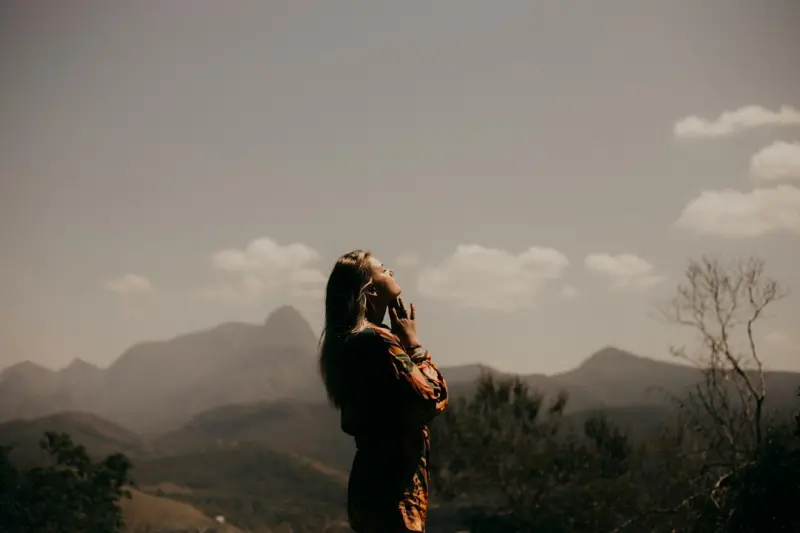
There’s a particular thrill in stepping off the beaten path, not because the destination is exotic, but because the journey itself becomes a deliberate act of unplugging. I’ve spent the past decade bouncing between conference rooms, co‑working spaces, and the occasional weekend escape. Over time, I realized that the most rewarding trips weren’t the ones where I crammed a checklist of sights, but the ones that felt like a purposeful pause—a reset button for the mind and a catalyst for creativity.
Why “Unplugged Wanderlust” Is More Than a Buzzword
In an age where our smartphones double as workstations, the line between “vacation” and “remote work” blurs. The temptation to stay connected, answer emails, and monitor dashboards is strong, especially for those of us who run SaaS businesses. Yet, constant connectivity can erode the very inspiration we chase when we travel. Unplugged wanderlust is about reclaiming that space: carving out intentional moments where the only notifications come from rustling leaves, distant waves, or a bustling market.
Think of it as a micro‑retreat embedded within a larger journey. You’re still moving, still exploring, but you’re also granting yourself permission to be present without the digital leash.
The Core Pillars of an Unplugged Trip
- Intentional Disconnection: Set clear boundaries before you depart. This might mean turning off push notifications, delegating email monitoring to a teammate, or even leaving your laptop at home.
- Sensory Immersion: Engage all five senses. Taste local dishes, listen to the cadence of street musicians, feel the texture of ancient stone, and smell the perfume of a rain‑kissed forest.
- Reflective Rhythm: Build in quiet moments—early morning walks, evening journaling, or a simple cup of tea by a window—to process experiences and let ideas marinate.
Designing the Trip: A Step‑by‑Step Blueprint
Below is a practical framework I use when mapping out my next unplugged adventure. Feel free to adapt it to your own rhythm and responsibilities.
1. Define Your “Why”
Before you book flights, ask yourself: What am I hoping to gain? Is it creative inspiration, mental clarity, or a deeper connection to a culture? Writing this down solidifies your intention and helps you resist the urge to revert to work mode mid‑trip.
2. Choose a Destination That Encourages Slowness
Look for places where the pace is naturally slower—coastal towns, mountain villages, or rural vineyards. These locales naturally limit the need for constant connectivity because the infrastructure is less geared toward the hustle of city life.
3. Curate Experiences Around the Senses
Instead of a packed itinerary, select three to five activities that spark curiosity. For instance:
- Joining a sunrise yoga session on a cliffside.
- Participating in a cooking class that uses locally foraged herbs.
- Spending an afternoon at a community garden, learning about regional agricultural practices.
Each of these experiences anchors you in the present and offers fertile ground for new ideas to sprout.
4. Leverage Technology—But Wisely
Technology isn’t the enemy; it’s a tool. An AI-powered travel planner can sift through endless options and suggest hidden gems that align with your sensory goals. The key is to use it pre‑trip for research, then switch it off once you’re on the ground.
5. Build “Reflection Buffers” Into Your Schedule
Set aside 15‑minute windows each day—perhaps at sunrise or just before dinner—to journal, sketch, or simply sit in silence. These buffers act as mental glue, holding together the fragmented insights you gather throughout the day.
6. Prepare a “Digital Minimalist Kit”
Pack a small bag of essentials that support your unplugged ethos:
- A lightweight notebook and a favorite pen.
- A reusable water bottle and a local snack.
- A compact, offline map or a printed guidebook.
- Noise‑cancelling headphones (useful for meditation, not for podcasts).
Case Study: From Boardroom to Beachside Brainstorm
A few months ago, I embarked on a week‑long stay in a small fishing village along the Mediterranean. The plan was simple: no meetings, no emails, and a strict “no‑screen” rule after 8 p.m. My mornings began with a stroll along the harbor, watching the sunrise paint the sky in amber hues. By noon, I was in a tiny kitchen learning to prepare a traditional seafood stew with a local chef.
Mid‑week, a sudden rainstorm forced the village to retreat indoors. Instead of frustration, we gathered around a communal table, sharing stories. That spontaneous conversation sparked a breakthrough for a feature we were developing back at the office—a new way to visualize user journeys using real‑time feedback loops. I returned with a prototype sketch sketched on a napkin, proof that unplugged moments can fuel innovation just as powerfully as a 48‑hour hackathon.
Balancing Business Needs with Personal Renewal
Many SaaS founders worry that stepping away could jeopardize project timelines. The truth is, strategic downtime often accelerates long‑term progress. By granting yourself a mental reset, you return with sharper focus and a refreshed perspective, which can lead to more efficient decision‑making.
One method to maintain accountability while you’re away is to set up an organic growth dashboard that updates automatically with key metrics. Share access with a trusted teammate who can flag any urgent issues, allowing you to stay informed without diving back into the daily grind.
Eco‑Conscious Unplugging: Making Your Travel Sustainable
Unplugging isn’t just about personal well‑being; it’s also an opportunity to reduce your environmental footprint. Choose eco‑friendly accommodations—think boutique hotels that source locally, use renewable energy, or participate in carbon offset programs. When you walk or bike instead of renting a car, you not only immerse yourself deeper in the locale but also lower emissions.
If you’re tech‑savvy, consider using apps that track your carbon impact and suggest greener alternatives. Even simple actions, like refusing single‑use plastics or supporting local artisans, contribute to a larger culture of responsible travel.
Measuring the Impact of Your Unplugged Experience
After the trip, take a moment to evaluate the outcomes. Ask yourself:
- Did I feel more creative or focused when I returned?
- What specific insights or ideas emerged during the quiet moments?
- How did my team respond to my temporary absence?
- What sustainable practices can I integrate into future journeys?
Documenting these reflections not only reinforces the benefits but also builds a framework you can replicate for future travels.
Tips for Staying the Course
- Communicate Early: Let your team know your schedule and who will cover critical responsibilities.
- Set Up Auto‑Responses: Craft a friendly email reply that sets expectations for response times.
- Leave Physical Reminders: A sticky note on your laptop that says “Unplugged until [date]” can deter impulsive checking.
- Embrace Flexibility: If you feel the urge to check in, limit it to a 5‑minute window and then return to your unplugged activities.
Future Horizons: The Rise of “Micro‑Retreats”
As remote work becomes the norm, micro‑retreats—short, purpose‑driven getaways—are gaining traction. These mini‑vacations can be as brief as a long weekend but still incorporate the core principles of unplugged wanderlust. Companies are beginning to recognize their value, offering “wellness travel stipends” that employees can use to recharge without compromising productivity.
Imagine a quarterly rhythm where your team gathers in a tranquil setting, each member bringing a personal insight gained from their own unplugged experience. The collective wisdom could become a powerful catalyst for product innovation, team cohesion, and overall morale.
Closing Thoughts
Travel, at its heart, is a conversation between the external world and our inner landscape. By intentionally unplugging, we allow that dialogue to be authentic, unfiltered, and profoundly transformative. Whether you’re a solo founder, a product manager, or a creative professional, embracing unplugged wanderlust can turn ordinary trips into fertile ground for personal growth and groundbreaking ideas.
So the next time you feel the pull of a new horizon, remember: the most valuable souvenir isn’t a photo or a trinket—it’s a refreshed mind, a rejuvenated spirit, and a well of inspiration that will carry you forward long after the journey ends.

Related Posts

The Sensory Passport: Turning Travel Moments into Creative Power
Explore a sensory‑focused travel approach that transforms ordinary trips into creative labs, helpi... Read More

Remote Team Retreats: Turning Business Travel Into a Productivity Power‑Up
Discover a step‑by‑step playbook for creating remote‑first team retreats that align travel wit... Read More
Turn Every Transit Hub Into a Playground of Discovery
Learn to treat airports, train stations, and bus terminals as micro‑adventures with simple mission... Read More
Top Posts

Riding the Google AI Wave: A Marketer’s Personal Manifesto
Explore a marketer’s journey to harmonize Google’s AI advances with genuine storytelling, ensuring brand authenticity while boosting organic reach....Read More

Composable SaaS: Building Modular Platforms for Unstoppable Innovation
A deep dive into composable SaaS, exploring how modular microservices, AI, and edge computing empower businesses to innovate faster, stay resilient, and create ...Read More

From Keywords to Intent Clusters: A B2B SaaS SEO Playbook
Learn to shift from outdated keyword lists to intent‑driven authority hubs, leverage structured data, and prepare for AI‑generated SERPs to boost organic tr...Read More

Riding Google’s 2026 AI Wave: A Marketer’s Insider Playbook
Explore Rose DesRochers’ insider guide to mastering Google’s 2026 AI wave—practical tactics, ethical insights, and tools that keep marketers ahead of the ...Read More
0 Comments
Post Comment
You will need to Login or Register to comment on this post!