
Why Fermented Foods Are the Unsung Heroes of Busy Professionals
When the calendar is packed from dawn until dusk, the idea of a “healthy diet” often gets pushed to the bottom of the to‑do list. We order salads that are more decorative than nutritious, grab a coffee for a quick caffeine fix, and rely on “smart” snack bars that promise energy without the mess. Yet, beneath the surface of our hectic schedules lies a silent system that can make or break our performance: the gut microbiome. If you’ve ever felt a mid‑afternoon slump, struggled to focus during a crucial meeting, or found yourself reaching for another cup of coffee, the culprit (or the cure) may be lurking in the depths of your digestive tract.
The Gut‑Brain Connection: More Than a Trendy Buzzword
Scientists have been unraveling the intricate dialogue between the gut and the brain for decades, but only recently has the mainstream finally taken notice. Your gut houses trillions of microorganisms—bacteria, yeasts, and viruses—that collectively influence everything from nutrient absorption to mood regulation. When this ecosystem is balanced, you experience steady energy, clearer cognition, and a steadier emotional baseline. When it’s out of whack, you may notice brain fog, irritability, or even cravings for sugary comfort foods.
For the professional who thrives on mental agility and emotional resilience, nurturing a healthy microbiome isn’t a luxury; it’s a strategic advantage.
Fermentation: Nature’s Ancient Preservation Technique, Modern-Day Superfood
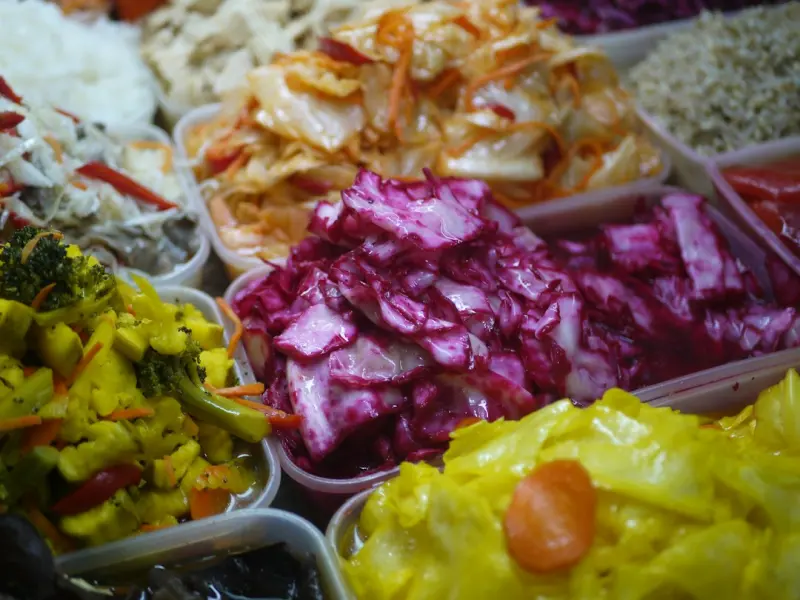
Fermentation is a process that predates electricity, refrigeration, and even written language. It harnesses the power of beneficial microbes to transform raw ingredients into foods that are more digestible, nutrient‑dense, and shelf‑stable. Think kimchi, sauerkraut, kefir, kombucha, miso, and tempeh. These foods are not just tangy or fizzy; they are living ecosystems packed with probiotic strains that can colonize the gut and promote diversity.
What makes fermented foods especially appealing for busy professionals?
- Convenience: Many fermented products require no cooking—just open, pour, or scoop.
- Longevity: Their shelf life far exceeds fresh produce, reducing waste and grocery trips.
- Digestibility: Fermentation breaks down complex fibers and anti‑nutrients, making nutrients more bioavailable.
- Stress‑Resilience: Certain probiotic strains have been shown to modulate cortisol, the body’s stress hormone.
Choosing the Right Fermented Allies
Not all fermented foods are created equal. Below is a quick guide to selecting the most potent options for a fast‑paced lifestyle:
- Kefir: A drinkable dairy (or non‑dairy) culture rich in multiple probiotic strains. Ideal for a morning boost or post‑workout recovery.
- Kimchi: A spicy Korean staple made from fermented cabbage and radishes. Its high fiber content supports digestion and satiety.
- Tempeh: Fermented soy that offers a firm texture and a protein punch—perfect for salads, wraps, or stir‑fries.
- Sauerkraut: Simple fermented cabbage with a tangy bite. It’s a fantastic side that can be pre‑made in bulk.
- Kombucha: A lightly effervescent tea fermented with SCOBY (symbiotic culture of bacteria and yeast). Great for a midday pick‑me‑up, but watch the sugar content.
Integrating Ferments Into a High‑Velocity Day
Below is a sample “day in the life” for a professional who wants to weave fermented foods seamlessly into the workday without sacrificing productivity.
- Morning Routine (7:00 am): Start with a glass of kefir mixed with a handful of berries and a sprinkle of chia seeds. The protein and probiotics set a stable energy baseline.
- Pre‑Meeting Snack (10:00 am): Pair a few slices of tempeh with a dab of hummus and raw veggies. The combination offers sustained fuel and gut‑friendly microbes.
- Lunch (12:30 pm): Build a salad with mixed greens, roasted chicken, a scoop of kimchi, and a drizzle of sesame‑ginger dressing. The kimchi adds crunch, flavor, and a probiotic kick.
- Afternoon Reset (3:00 pm): Sip a 8‑ounce bottle of low‑sugar kombucha. The gentle fizz can act as a mental reset without the crash of coffee.
- Dinner (7:00 pm): Serve sautéed fish with a side of sauerkraut and roasted carrots. The sauerkraut aids digestion of the protein‑rich fish.
Notice how each meal incorporates a fermented component? The key is variety; rotating different strains prevents your gut from becoming dependent on a single bacterial profile.
Overcoming Common Barriers
Even with a clear plan, obstacles arise. Here are practical solutions to three frequent challenges.
“I don’t like the taste.”
Start with milder options like kefir or a lightly fermented sauerkraut. Mix them into familiar dishes—blend kefir into a smoothie, toss sauerkraut into a grain bowl, or sprinkle kimchi over a pizza slice.
“I’m worried about sugar in kombucha.”
Read labels carefully. Opt for brands that list less than 3 g of sugar per serving. You can also brew your own at home, controlling the sweetener quantity.
“I don’t have time to prep.”
Batch‑prepare. Ferment a large batch of kimchi on a weekend and store it in the fridge for weeks. Purchase pre‑made kefir and tempeh from the grocery store—no cooking required.
Science‑Backed Benefits That Matter to Professionals
Below are evidence‑based outcomes that directly translate into workplace performance.
- Improved Cognitive Function: Studies show that probiotic supplementation can enhance working memory and attention span.
- Reduced Stress Response: Certain Lactobacillus strains lower cortisol levels, helping you stay calm under pressure.
- Enhanced Immunity: A balanced microbiome fortifies the gut barrier, reducing the frequency of sick days.
- Steadier Energy Levels: Fermented foods help regulate blood sugar spikes, minimizing mid‑day crashes.
Pairing Ferments With Lifestyle Hacks
While fermented foods are powerful on their own, they become even more effective when combined with other low‑tech health strategies. For instance, low‑tech hacks that actually stick can declutter your workspace, reducing visual stress and freeing mental bandwidth for focused work. Pair this with a brief walk outside after lunch—sunlight boosts vitamin D, which synergizes with the gut’s production of serotonin, the “feel‑good” neurotransmitter.
Another useful tactic is the tiny physical hacks that keep circulation moving throughout the day. A quick stretch after a kombucha break can reinforce the mind‑body connection, ensuring you stay alert and ready for the next meeting.
When to Seek Professional Guidance
Fermented foods are generally safe for most people, but if you have a compromised immune system, a history of severe food allergies, or a diagnosed gastrointestinal condition, consult a healthcare professional before making dramatic dietary changes. A dietitian can help you identify which probiotic strains align best with your personal health goals.
Future Trends: Fermentation Meets Technology
While this post focuses on practical, low‑tech integration, the industry is buzzing with innovations that marry fermentation with data. Imagine an app that tracks your gut microbiome composition and recommends daily probiotic servings based on stress levels, sleep quality, and even upcoming deadlines. As we move toward more personalized nutrition, fermented foods will likely become a cornerstone of AI‑driven health platforms.
Takeaway Checklist
- Identify three fermented foods you enjoy.
- Plan a simple weekly menu that includes a probiotic source at each meal.
- Batch‑prepare at least one fermented item (kimchi, sauerkraut) for the month.
- Combine ferment intake with a low‑tech workspace declutter strategy.
- Monitor energy, focus, and mood for two weeks; note any improvements.
By turning a small, manageable habit into a daily ritual, you empower your gut, sharpen your mind, and gain the resilience needed to navigate a demanding professional landscape. The next time you reach for a coffee, consider reaching for a glass of kefir instead—you might just discover a new source of sustainable energy.

Margaret Thomson is a seasoned freelance writer specializing in the dynamic worlds of marketing and advertising. With a career deeply rooted in the marketing field, Margaret brings a wealth of practical experience and insightful knowledge to her writing.
Related Posts

Reimagining Workplace Wellness: AI‑Powered Personal Health Dashboards
Explore the rise of AI‑powered personal health dashboards that blend wearable data, ambient sensor... Read More

The Hidden Power of Sleep Hygiene for High‑Performance Professionals
A deep dive into actionable sleep hygiene practices that empower high‑performers to optimize rest,... Read More

Micro‑Movement Breaks: Tiny Physical Nudges for Big Brain Gains
Micro‑movement breaks are brief, intentional motions that re‑energize the brain and body. Learn ... Read More
Top Posts

Ephemeral Content: The B2B Marketer’s New Superpower
Ephemeral content—short‑form, time‑bound media—offers B2B marketers a fresh way to capture attention, create urgency, and feed leads into longer‑form ...Read More

The Quiet Revolution of Personal Data Meshes
A deep dive into personal data meshes reveals how decentralized, user‑controlled data networks can transform privacy, developer workflows, and the future digi...Read More
Semantic Clustering: The Blueprint for B2B SaaS SEO Success
Semantic clustering reshapes B2B SaaS SEO by grouping related content into authoritative hubs, improving rankings, user engagement, and lead conversion. This gu...Read More
The SEO Playbook for AI‑First SaaS: Turning Intent into Revenue
Traditional keyword tactics fall short for AI‑driven SaaS. This post outlines a modern SEO framework—intent mapping, semantic structuring, technical fixes, ...Read More
0 Comments
Post Comment
You will need to Login or Register to comment on this post!