
Why Modern Life Needs a Nature Reset
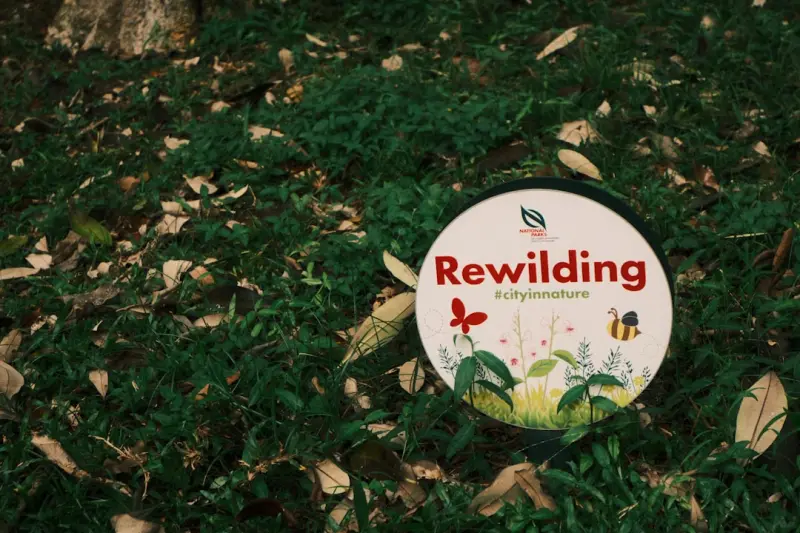
In a world that feels increasingly digital, I’ve found that the most profound health upgrades come from simply stepping outside the screen and into the soil. The constant hum of notifications, virtual meetings, and artificial lighting creates a subtle chronic stress that seeps into our hormones and sleep cycles, often without us even noticing. Rewilding our daily routine—intentionally weaving natural elements into everyday moments—acts like a reset button for both mind and body, lowering cortisol and sharpening mental clarity. I’ve watched friends trade restless evenings for sunrise walks, and the transformation in their energy levels and mood is undeniable.
Micro‑Nature Moments: Bringing the Outdoors Inside
One of the easiest ways to start is by creating micro‑nature moments right where you live or work. A windowsill herb garden, a small terrarium, or even a bowl of fresh pine needles can stimulate the senses and trigger a calming physiological response. Studies show that visual exposure to greenery can reduce blood pressure within minutes, and the act of caring for a plant releases dopamine, reinforcing a sense of purpose. I keep a few low‑maintenance succulents on my desk, and each time I water them I feel a brief, grounding pause that carries me through the rest of the day.
The Science of Forest Bathing and Its Real‑World Benefits
Forest bathing, or “shinrin‑yoku,” isn’t just a trendy Japanese practice—it’s a scientifically backed method for boosting immunity and mental health. Immersing yourself in a forest environment increases natural killer cell activity, which helps the body fend off infections, while the phytoncides released by trees act as natural aromatherapy. I schedule a weekly “forest hour” where I wander through a local park, breathing deeply and allowing my senses to absorb the scent of damp earth and leaves; the lingering calm has become my secret weapon for tackling stressful weeks.
Seasonal Food Sync: Eating With the Land’s Rhythm
Our ancestors ate in harmony with the seasons, and returning to that rhythm can recalibrate our internal clocks. Seasonal produce is richer in phytonutrients, and aligning meals with nature’s calendar helps stabilize blood sugar and supports the body’s detox pathways. I’ve started a habit of visiting the farmer’s market every Saturday, choosing vegetables that are at their peak, and noticing that my digestion feels smoother and my skin clearer. This practice also connects me to the community of growers, reinforcing a sense of belonging that modern life often lacks.
Movement Through Natural Play: Beyond the Gym
Instead of forcing yourself into a rigid workout routine, I explore movement that feels playful and rooted in nature. Climbing a low tree, doing yoga on a grassy hill, or simply skipping stones across a pond engages the body in a way that feels joyful rather than punitive. These activities activate different muscle groups and improve proprioception, which can be harder to achieve in a static gym environment. For readers looking for a gentle entry point, check out tiny movement breaks—they’re a perfect bridge between desk‑bound days and full‑body play.
Digital Detox Reimagined: Mindful Screens in Green Spaces
We don’t have to abandon technology entirely; instead, we can practice mindful screen use within green environments. Setting up a laptop on a patio with sunlight and a backdrop of trees transforms work into a more relaxed, creative experience. The natural light helps regulate melatonin production, reducing eye strain and improving sleep quality later on. I’ve instituted “green‑screen hours” where I only check emails or create content while surrounded by plants, and the resulting focus and reduced anxiety have been surprising.
Building a Personal Rewilding Ritual
Creating a consistent ritual makes rewilding sustainable. I start each morning with a five‑minute barefoot walk on the grass, feeling the cool blades stimulate nerve endings and awaken the nervous system. Midday, I pause for a cup of herbal tea brewed with locally sourced herbs, and in the evening, I spend ten minutes journaling under a window that frames the sunset. These simple, repeatable actions anchor my day, turning nature immersion from an occasional escape into a habit that nourishes every cell.
Community Roots: Connecting With Local Green Initiatives
Health flourishes when we feel connected to a larger purpose, and local environmental groups provide that sense of collective mission. Volunteering for a community garden, joining a river clean‑up, or participating in a neighborhood tree‑planting day not only improves the environment but also releases oxytocin, the “bonding hormone,” fostering deeper social ties. For those interested in scaling these connections, the principles behind micro‑community marketing illustrate how small, localized networks can create powerful, supportive ecosystems.
Long‑Term Resilience: Making Rewilding a Lifestyle
When we embed nature into the fabric of our daily lives, the benefits compound over months and years. Consistent exposure to natural light improves circadian rhythm stability, leading to better sleep, mood, and metabolic health. Regular interaction with soil and plants enhances immune function, while outdoor movement maintains joint flexibility and cardiovascular fitness. By treating rewilding as a lifelong practice rather than a short‑term trend, we build a resilient foundation that supports mental clarity, physical vitality, and a profound sense of belonging to the world around us.

In the world of freelance writing, where creativity and adaptability are paramount, Michelle Fisher stands out as a dedicated and versatile professional. With a passion for crafting compelling narratives and a keen eye for detail, Michelle has established herself as a trusted voice.
Related Posts

Micro‑Moments: Why Short, Intentional Pauses Are the New Health Super‑Power for Knowledge Workers
Micro‑moments—brief, intentional pauses woven into the workday—reset the brain, lower stress, ... Read More

Beyond the Buzz: How Biofeedback Wearables Are Redefining Workplace Wellness
Biofeedback wearables provide real‑time health insights, turning personal data into actionable wor... Read More
Harnessing Natural Light for Health and Productivity
Learn why natural light is a powerful health tool, how to redesign your workspace, integrate movemen... Read More
Top Posts

Riding the Google AI Wave: Rose DesRochers’ Insider Take on the Latest Revolution
Rose DesRochers breaks down Google’s AI wave, offering authentic strategies, insider playbooks, and future forecasts for marketers navigating the 2024 search ...Read More

Zero Trust Architecture: Securing SaaS in a Distributed Era
Zero Trust is evolving from a buzzword to a foundational security model for SaaS. This post explains its core principles, practical implementation steps, and ho...Read More

Prompt Engineering: The New Competitive Moat for B2B SaaS
Prompt engineering is emerging as a strategic capability for SaaS firms, turning modest AI models into powerful tools that drive faster product development, sma...Read More

Unlocking E‑commerce Growth with Google Structured Data
Discover a step‑by‑step guide to implementing schema markup, testing it, and measuring the impact on traffic and revenue—turning Google’s SERP features ...Read More
0 Comments
Post Comment
You will need to Login or Register to comment on this post!