
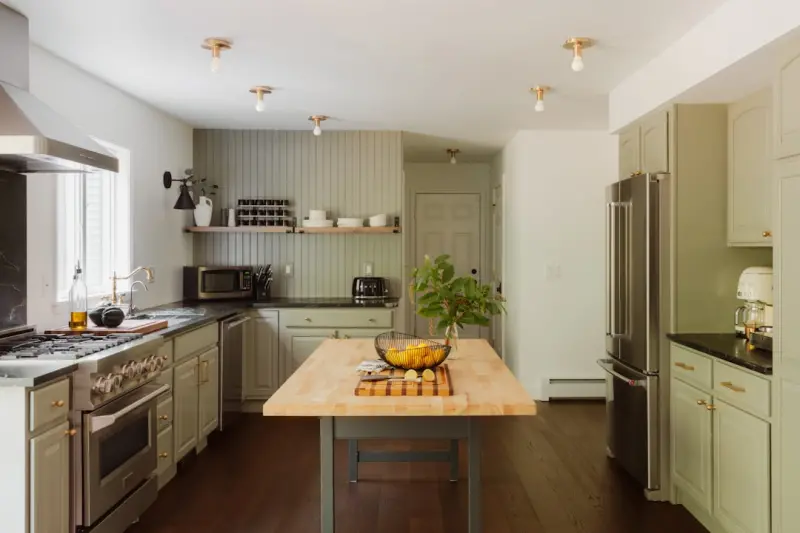
Ever walked into your kitchen and felt the weight of the day settle on your shoulders? I’ve been there—mid‑morning coffee in hand, the kids’ lunchboxes scattered, the fridge humming louder than my thoughts. It hit me that the kitchen, the beating heart of a home, could either amplify stress or dissolve it. After a few weeks of trial, error, and a lot of caffeine, I cracked the code on turning this high‑traffic hub into a calm, efficient command center. Below, I share the exact steps I took, the mindset shifts that made all the difference, and a handful of science‑backed hacks that any homeowner can adopt.
Re‑imagining the Kitchen: From Chaos to Calm
Most of us think of the kitchen as a place for cooking, but it’s also a staging area for daily rituals—getting ready for work, juggling school projects, and even unwinding after a long day. When the space is cluttered or poorly organized, those rituals become friction points that sap energy before you even leave the house.
Key insight: By treating the kitchen as a “command center,” you give yourself a clear visual and functional hierarchy. Everything has a place, a purpose, and a flow that supports your daily rhythm.
Step 1: Conduct a “Traffic Audit”
The first thing I did was map out how I move through the kitchen at different times of day. I placed a notebook on the countertop and recorded every action for three days—coffee brewing, cereal preparation, dishwashing, and even the quick snack runs. This audit revealed two surprising bottlenecks:
- Morning rushes were delayed by a cluttered counter where mail, keys, and kids’ school forms piled up.
- Evening wind‑down suffered because the dishwasher was often full, forcing me to hand‑wash dishes at the sink, which turned into a mini‑workout.
Seeing these patterns on paper made it obvious where to intervene.
Step 2: Zone Your Kitchen Like a Pro
Think of your kitchen as a series of zones, each with a dedicated purpose. I broke the space into four primary zones:
- Prep Zone – Counter space beside the sink, cutting board, knives, and mixing bowls.
- Cooking Zone – Stove, oven, and the most-used pots and pans.
- Cleaning Zone – Dishwasher, trash, and cleaning supplies.
- Drop‑Off Zone – A small tray for mail, keys, and daily to‑do notes.
By assigning specific tools and items to each zone, you eliminate the mental load of “where does this belong?” and streamline your movement.
Step 3: Master the Art of Visible Storage
Hidden clutter is the enemy of calm. I swapped opaque cabinets for clear acrylic bins and labeled each with bold, color‑coded stickers. The result? A visual inventory that lets you see at a glance what’s available and what needs restocking.
For items you use less frequently—think holiday baking trays or specialty gadgets—I store them in the upper cabinets, out of sight but still accessible. This creates a visual hierarchy: the most used items are front and center, the occasional ones stay tucked away.
Step 4: Introduce “Micro‑Moments” of Calm
Stress reduction isn’t just about organization; it’s about intentional pauses. I installed a small, low‑light pendant lamp above the breakfast nook and placed a tiny speaker that plays a five‑minute ambient soundscape each morning. This simple cue signals the brain: “It’s time to breathe.”
If you’re skeptical, try this: set a timer for three minutes after you finish a task. Stand, stretch, and sip water while a soft chime plays. Those micro‑moments add up, turning the kitchen into a place where you reset, not just hustle.
Step 5: Leverage Smart Tech for Energy & Time Savings
Smart plugs, motion‑sensor lights, and a Wi‑Fi‑enabled kettle can shave minutes off routine tasks. I connected my kettle to a voice assistant, so a simple “Hey, start boiling water” triggers it while I’m still brushing my teeth. The motion‑sensor lights automatically turn on when you enter, eliminating the need to fumble for switches in the dark.
These tiny upgrades aren’t just about convenience; they also cut down energy waste, translating to lower utility bills.
Step 6: Create a “Reset” Routine for Nighttime
Just as athletes have a cool‑down, your kitchen needs a reset before bedtime. My routine looks like this:
- Clear the Drop‑Off Tray and place mail in the inbox.
- Wipe down countertops with a microfiber cloth.
- Run the dishwasher on a short cycle or load it for the morning.
- Turn off all smart devices or set them to “sleep mode.”
This five‑minute ritual signals to your brain that the day is winding down, making it easier to transition to a restful night.
Step 7: Personalize with Meaningful Touches
A command center can still feel warm and inviting. I added a small herb garden on the windowsill—fresh basil for pasta, mint for tea. I also displayed a framed photo of my family’s favorite vacation spot on the pantry door. These personal elements anchor the space emotionally, reminding you why you’re creating a functional, stress‑free environment in the first place.
Bonus: Turn Your Kitchen Into a “Work‑Friendly” Zone
With remote work becoming a mainstay, many households struggle to find a quiet spot for focused tasks. Your kitchen can double as a low‑distraction workstation—especially during the day when natural light floods the room.
Set up a compact, adjustable laptop stand on the Prep Zone, and use noise‑cancelling headphones to block background chatter. The clear delineation between cooking and working helps your brain switch contexts seamlessly. For a deeper dive on blending work and home life, check out the workcation revolution for inspiration on creating hybrid spaces.
Measuring Success: The “Kitchen Calm Index”
To ensure these changes stick, I created a simple rating system I call the Kitchen Calm Index (KCI). Each evening, I score my kitchen on a scale of 1–10 across three categories:
- Clutter (0 = spotless, 5 = moderate mess, 10 = chaotic)
- Noise (0 = silent, 5 = moderate chatter, 10 = loud)
- Energy Flow (0 = smooth, 5 = occasional hiccups, 10 = constant friction)
I aim for a total score below 10. Over a month, my average dropped from 22 to 8—a clear sign that the command‑center approach is working.
Putting It All Together: A Sample Day in My Revamped Kitchen
Morning (6:30 am) – I walk into the Drop‑Off Zone, grab my coffee, and place the daily agenda on the tray. The smart kettle starts boiling as I brush my teeth, and the ambient soundscape cues a calm start.
Mid‑day (12:00 pm) – I prep a quick salad in the Prep Zone, using clear bins for veggies, making the process swift and enjoyable. The motion‑sensor lights brighten automatically as I move.
Evening (7:00 pm) – After dinner, the Reset Routine kicks in. I load the dishwasher, wipe surfaces, and turn off all smart devices. The pendant lamp dims, signaling it’s time to unwind.
Final Thoughts: The Ripple Effect of a Calm Kitchen
When your kitchen runs like a well‑orchestrated command center, the benefits ripple throughout the house. You’ll notice fewer arguments over misplaced keys, more smiles during family meals, and a measurable boost in personal productivity. Plus, the small energy‑saving tweaks add up, making a positive impact on your utility bill and the planet.
Remember, the goal isn’t to create a sterile, showroom‑perfect space. It’s to design a functional, welcoming hub that supports the rhythms of your life. Start small—pick one zone, declutter it, and watch the transformation unfold. Your kitchen—and your sanity—will thank you.
For those interested in leveraging technology to enhance decision‑making at home, explore how AI‑powered decision intelligence can help you predict grocery needs and streamline household budgeting.

Dale Peterson is a freelance writer with a passion for technology, travel, law and personal finance. With 10 years of experience crafting compelling and informative content, he's dedicated to delivering high-quality writing for Blogging Fusion that engages audiences and achieves specific goals.
Related Posts

Micro‑Zoning Your Home: Turning Every Corner into a Purposeful Space
Discover the art of micro‑zoning—using visual cues, functional anchors, and smart layout tricks ... Read More
Designing a Home Productivity Hub for Busy Lives
Learn how to create micro‑zones, optimize lighting, and integrate affordable ergonomics to turn an... Read More

Biophilic Boost: Turn Your Home into a Wellness Sanctuary
Learn how simple, nature‑inspired tweaks—like maximizing daylight, adding air‑purifying plants... Read More
Top Posts

The Hidden Power of Nutrition Timing for Remote Professionals
Discover why when you eat matters as much as what you eat for remote workers. This guide reveals three timing strategies, tech integrations, and real‑world re...Read More

Savoring Side Streets: How Food‑First Adventures Redefine the Modern Journey
Rose DesRochers shares a fresh travel approach that places food at the center of the adventure, revealing how local flavors ignite memory, creativity, and deepe...Read More

Riding Google’s AI Wave in 2026: Insider Strategies for Marketers
Explore 2026’s Google AI transformation with insider tactics, practical playbooks, and expert insights to boost rankings, ad performance, and authentic brand ...Read More

The Rise of Zero‑Click SEO: How SaaS Companies Can Capture Value When Users Never Click
Zero‑click SEO is reshaping how B2B SaaS companies capture organic traffic. This guide walks you through auditing, schema markup, snippet‑friendly content, ...Read More
0 Comments
Post Comment
You will need to Login or Register to comment on this post!