
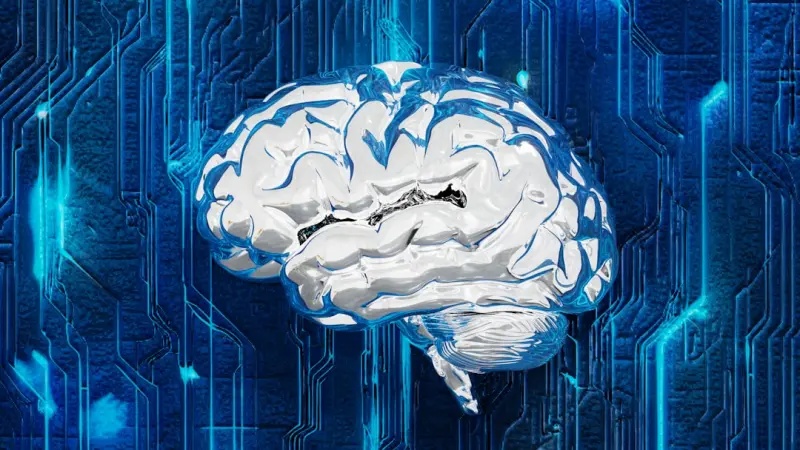
Digital Nutrition: Feeding Your Brain in a Data‑Heavy World
When I first stepped into the SaaS arena, the excitement of endless dashboards, real‑time analytics, and constant notifications felt like a superpower. I could see trends before they emerged, answer client questions instantly, and pivot strategies on the fly. But after a few months, the very streams that powered my professional edge began to feel like a silent drain. My focus wavered, my sleep grew restless, and the once‑thrilling buzz turned into a background hum that never truly faded.
That’s when I discovered the concept of digital nutrition—the idea that, just as we choose whole foods over processed snacks for physical health, we can curate the digital inputs that nourish—or deplete—our brains. In this post I’ll share the mental‑fuel framework I’ve built, practical rituals to keep cognitive overload at bay, and how to create an environment that lets you thrive without sacrificing wellbeing.
The Brain’s Appetite for Data
Our brains evolved to process a steady flow of sensory information: sounds, sights, smells, and the subtle cues of a social group. Modern work tools have hijacked that evolutionary design, flooding us with endless streams of numbers, alerts, and notifications. The result is a phenomenon neuroscientists call cognitive overload, where the prefrontal cortex—the region responsible for decision‑making and self‑control—gets saturated, leading to:
- Reduced attention span
- Impaired memory consolidation
- Increased stress hormones
- Decision fatigue
When you’re constantly toggling between a CRM, an analytics suite, and a Slack channel, you’re essentially feeding your brain a never‑ending buffet of high‑glycemic “data sugar.” It spikes energy briefly, then crashes, leaving you hungry for the next notification.
Step 1: Audit Your Digital Plate
The first step to better digital nutrition is awareness. Treat your daily digital intake like you would a food diary. Over a single workday, note:
- All the apps you open (including background services)
- The frequency of push notifications
- Time spent scrolling through dashboards or reports
- Moments when you feel mentally “full” or “empty”
When you look back, you’ll likely see patterns: perhaps you’re checking your email every five minutes, or you spend an hour nightly scanning KPI dashboards. Those habits are the “junk data” that need trimming.
Step 2: Curate High‑Quality “Digital Meals”
Just as a balanced meal includes protein, fiber, and healthy fats, a high‑quality digital session should have three components:
- Purposeful Data: Identify the exact question you need answered. Instead of opening a dashboard “just to see,” ask, “What trend am I looking for?” Then pull only the relevant view.
- Structured Time Blocks: Allocate a dedicated slot—say, 30 minutes in the morning and 30 minutes after lunch—to deep‑dive into analytics. Outside those windows, mute the related tools.
- Reflective Wrap‑Up: End each session with a brief note: What insights did you gain? What actions will you take? This consolidates memory and prevents the data from lingering in short‑term storage.
By treating each data interaction as a mindful meal, you reduce the impulse to snack mindlessly on every new alert.
Step 3: Build “Fiber” into Your Day
In nutrition, fiber slows digestion, stabilizing blood sugar. In digital terms, “fiber” is the practice of intentional pauses that give your brain time to process and store information. Here are three fiber‑rich habits:
- The 5‑Minute Micro‑Pause: Every hour, step away from the screen for five minutes. Stretch, look out a window, or close your eyes and breathe. This simple reset lowers cortisol and improves focus for the next block.
- Scheduled “No‑Data” Zones: Designate periods—perhaps during lunch or the first hour after waking—where no analytical tools are permitted. Use this time for physical movement or non‑screen hobbies.
- End‑of‑Day Digital Wind‑Down: Shut down all work‑related apps at a consistent time. Replace screen time with a calming activity—reading a paperback, journaling, or a brief meditation.
Step 4: Optimize Your Physical Environment
Physical surroundings heavily influence how we process digital information. A cluttered desk or harsh lighting can amplify mental fatigue. Consider these ergonomic tweaks:
- Adjustable Lighting: Use warm, indirect lighting for prolonged screen work. A desk lamp with a dimmer mimics natural daylight cycles, reducing eye strain.
- Ergonomic Seating: Invest in a chair that supports your lumbar region and encourages an open chest posture—this promotes better breathing and oxygen flow to the brain.
- Visual “Reset” Corners: Create a small, non‑digital nook with a plant, a comfortable cushion, or a piece of art. When you need a mental break, retreat there for a few minutes. For inspiration on tiny reset spaces, see Designing a Sensory Reset Hub.
Step 5: Fuel the Brain with Real Nutrition
Digital habits are only part of the equation. The brain requires glucose, amino acids, and omega‑3 fatty acids to function optimally. Here are snack ideas that pair well with data‑heavy work sessions:
- Blueberries & Greek Yogurt: Antioxidants protect neuronal membranes while protein sustains steady energy.
- Walnut‑Almond Mix: Provides healthy fats and magnesium, which support neurotransmitter balance.
- Green Tea: Contains L‑theanine, a calming amino acid that smooths the jittery edge of caffeine.
Pairing these foods with a glass of water keeps hydration in check—dehydration can mimic cognitive fatigue.
Step 6: Leverage “Digital Fast” Practices
Just as intermittent fasting can reset metabolic pathways, a periodic “digital fast” can reboot your neural circuits. I schedule a quarterly 24‑hour tech‑free weekend. No email, no analytics, no Slack. Instead, I focus on outdoor activities, cooking, and face‑to‑face conversations. The result? When I return, my ability to prioritize truly important data spikes, and the urge to check dashboards becomes a conscious choice rather than a reflex.
Step 7: Align Team Culture with Brain‑Friendly Practices
Individual habits are powerful, but they thrive when the broader team reinforces them. Encourage leadership to model digital nutrition:
- Set clear expectations for response times—e.g., “All emails will be answered within 24 hours, not instantly.”
- Adopt shared “focus hours” where notification channels are muted for deep work.
- Promote optional “wellness sprints”—short, company‑wide challenges that encourage movement breaks or mindfulness sessions.
When a company treats mental bandwidth as a strategic asset, productivity and employee retention naturally improve.
Case Study: From Data Overload to Cognitive Clarity
One of the product teams I consulted for was struggling with missed insights and burnout. Their workflow involved checking a live analytics dashboard every ten minutes, leading to constant interruptions. We introduced a “data meal” schedule:
- Morning KPI review (15 minutes)
- Mid‑day deep‑dive session (30 minutes)
- Afternoon “trend scouting” window (10 minutes)
We also instituted a weekly “digital retreat” where the entire team gathered off‑site, disconnected from screens, to brainstorm ideas on whiteboards. The concept draws from insights in The Remote‑First Retreat, showing how a physical change of scenery can reset mental patterns.
After a month, the team reported a 27 % reduction in perceived stress and a 15 % increase in actionable insights from their dashboards. The takeaway? Structured data consumption, combined with intentional unplugged time, fuels both creativity and clarity.
Measuring Your Digital Nutrition Success
To know if these habits are working, set simple metrics:
- Focus Score: After each work block, rate your concentration on a 1‑10 scale.
- Insight Capture Rate: Track how many actionable insights you log per week.
- Sleep Quality: Use a sleep tracker or journal to note sleep duration and perceived restfulness.
When focus scores rise, insight capture improves, and sleep stabilizes, you’ve successfully shifted to a higher‑quality digital diet.
Conclusion: Make Your Brain the Top Priority
In a world where data streams are as constant as breathing, we have a choice: let the flood wash us away, or become selective curators of the information we consume. By treating digital interactions like meals—choosing nutrient‑dense content, allowing digestion time, and avoiding junk alerts—you give your brain the fuel it needs to innovate, decide, and lead.
Remember, the most powerful software you’ll ever develop runs in your own mind. Nourish it wisely, and the rest of your SaaS ecosystem will follow.

Karen Edwards is a seasoned freelance writer with a passion for all things furry, feathered, and scaled. With a dedicated focus on pets, she brings a wealth of knowledge and a keen eye for detail to her writing.
Related Posts
Micro‑Break Mastery: Tiny Pauses, Big Health Gains
Micro‑breaks—short, intentional pauses—reset the brain and body, improving focus, reducing str... Read More

Quiet Health Upgrades for Remote Professionals: Breath, Light, and Kitchen Hacks
Learn three subtle yet powerful health upgrades—breathwork resets, natural lighting tricks, and a ... Read More

Unlocking Mood and Immunity: How Fermented Foods Rewire Your Brain
Explore the powerful link between fermented foods, gut microbiome, and mental health, and learn simp... Read More
Top Posts
Sensory Storytelling: Crafting Multi‑Sense Experiences for B2B Buyers
Margaret Thomson explains why adding sight, sound, touch, scent, and even taste to B2B campaigns can cut through data overload, enhance brand recall, and drive ...Read More

Creating a Multi‑Sense Retreat in Your Home
Learn how to transform ordinary rooms into multi‑sense retreats with simple lighting, sound, scent, and texture strategies. Small, affordable tweaks turn any ...Read More

Unlocking E‑commerce Growth with Google Structured Data
Discover a step‑by‑step guide to implementing schema markup, testing it, and measuring the impact on traffic and revenue—turning Google’s SERP features ...Read More

Quiet Corners & Sensory Hacks for Home Harmony
Paul Flynn shares practical, low‑tech strategies to enhance light, sound, scent, and texture at home, creating quiet corners and sensory hacks that transform ...Read More
0 Comments
Post Comment
You will need to Login or Register to comment on this post!