
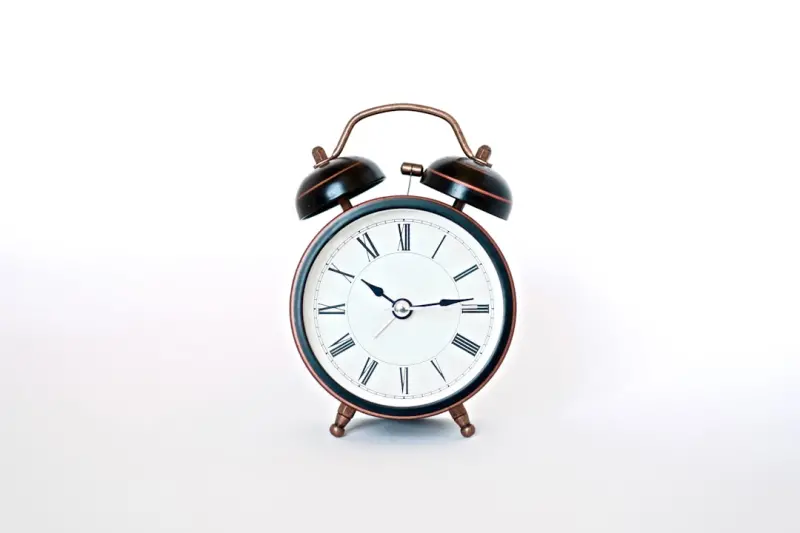
Why Your Body Clock Is the Missing Piece in Modern Wellness
When I first started coaching tech founders on sustainable performance, I kept hearing the same excuse: “I’m a night‑owl, that’s just how I am.” It took me years of trial, error, and a few sleepless nights to realize that the real culprit wasn’t a stubborn personality—it was a misaligned circadian rhythm. Our internal clocks dictate everything from hormone release to metabolic efficiency, and when they’re out of sync, even the best small daily actions can feel futile.
The Science Behind the Clock
The circadian system is a master regulator that runs on roughly 24‑hour cycles, orchestrated by the suprachiasmatic nucleus (SCN) deep in the brain. Light, food, and movement act as zeitgebers—time‑givers—that signal the SCN to fine‑tune physiological processes. When these cues arrive at the wrong time, the SCN sends mixed messages, leading to hormonal chaos, impaired glucose tolerance, and chronic inflammation.
Think of your body as a symphony. If the conductor (the SCN) receives a cue from a trumpet (blue light) at the wrong moment, the entire orchestra sounds off‑key. The same principle applies to stress levels, mental clarity, and even immune function.
Light: The Most Potent Zeitgeber
Natural daylight is the gold standard for resetting the SCN. In the morning, exposure to bright, blue‑rich light triggers cortisol release, boosting alertness. Conversely, dim lighting in the evening encourages melatonin production, signaling the body that it’s time to wind down.
- Morning Sunburst: Aim for at least 20 minutes of direct sunlight within the first hour after waking. A balcony coffee or a brisk walk can do the trick.
- Evening Dim‑Down: Switch to warm‑tone bulbs after sunset and consider blue‑light‑blocking glasses if you must use screens.
- Midday Reset: A brief exposure to natural light around noon helps maintain the rhythm and prevents the post‑lunch slump.
Research shows that consistent light exposure can improve sleep latency by up to 30 % and enhance REM sleep quality—key ingredients for cognitive recovery.
Food Timing: When to Eat for Energy and Recovery
Our digestive system is also time‑sensitive. Eating too late forces the body to divert energy to digestion when it should be preparing for rest. Conversely, a well‑timed breakfast jump‑starts metabolism.
- Breakfast Within 30 Minutes: Prioritize protein and complex carbs to stabilize blood sugar.
- Mid‑Afternoon Power Meal: A balanced snack (nuts, fruit, Greek yogurt) sustains focus without causing a crash.
- Early Dinner (by 7 PM): Finishing the last major meal at least three hours before bed allows melatonin to rise unhindered.
Intermittent fasting—particularly a 12‑hour eating window—has emerged as a practical method to align food intake with the circadian rhythm, supporting autophagy and cellular repair.
Movement and Rhythm: Aligning Activity with Your Clock
Exercise timing can amplify or blunt its benefits. High‑intensity workouts in the late evening can elevate core temperature and adrenaline, delaying sleep onset. Meanwhile, moderate activity in the morning or early afternoon synergizes with natural cortisol peaks, enhancing muscle protein synthesis.
For those who thrive on evening cardio, opt for low‑impact options like yoga or a gentle walk, which promote circulation without over‑stimulating the nervous system.
Practical 7‑Day Reset Plan
Below is a step‑by‑step blueprint you can implement immediately. It’s designed for busy professionals who can’t afford a month‑long overhaul.
- Day 1 – Light Audit: Track your current light exposure using a phone app. Identify gaps and plan a morning sunlight window.
- Day 2 – Meal Mapping: Log your meals and timing. Shift any post‑8 PM eating to earlier slots.
- Day 3 – Exercise Re‑Timing: Move any late‑night high‑intensity sessions to before 5 PM.
- Day 4 – Evening Ritual: Replace screen time after 9 PM with a 20‑minute reading session under warm lighting.
- Day 5 – Power Nap Check: If you need a nap, limit it to 20 minutes before 3 PM.
- Day 6 – Social Sync: Align dinner with family or friends to reinforce the early‑evening eating cue.
- Day 7 – Review & Adjust: Reflect on sleep quality, energy levels, and productivity. Fine‑tune any remaining misalignments.
Consistent adherence to this plan can improve sleep efficiency by 15‑20 % and sharpen mental acuity—a measurable edge for anyone juggling high‑stakes decisions.
Why This Matters for High‑Performance Professionals
In the fast‑paced SaaS world, we often equate longer hours with greater output. The paradox is that misaligned rhythms actually degrade performance, increasing error rates and burnout risk. By resetting the clock, you gain:
- Sharper Decision‑Making: Enhanced prefrontal cortex activity during optimal alertness windows.
- Improved Stress Resilience: Balanced cortisol cycles reduce chronic stress markers.
- Higher Physical Stamina: Better glycogen utilization and recovery.
Think of circadian alignment as a silent small daily actions strategy that compounds over weeks, delivering outsized returns on health and productivity.
Integrating the Reset with Modern Life
Technology isn’t the enemy; it’s a tool. Use smart lighting systems that mimic sunrise and sunset, and set reminders for meal windows. If you’re already practicing a mental fitness routine, add a circadian check‑in as the final step—your brain will thank you.
Remember, the goal isn’t perfection but consistency. Even a modest 30‑minute morning sun exposure, paired with a 7‑PM dinner, can shift the tide in your favor.
Conclusion
Our bodies are engineered to thrive on rhythm. By honoring the natural cues of light, food, and movement, you unlock a foundation of health that supports every other performance goal. The 7‑day reset is a launchpad—once the clock is set, you’ll find that the rest of your wellness stack—exercise, nutrition, mindfulness—operates with newfound efficiency. Give your circadian system the respect it deserves, and watch your personal and professional life sync into a harmonious high‑gear.

Sanji Patel has dedicated 25 years to the SEO industry. As an expert SEO consultant for news publishers, he emphasizes providing both technical and editorial SEO services to news publishers worldwide. He frequently speaks at conferences and events globally and offers annual guest lectures at local universities.
Related Posts

How Biofeedback Wearables Are Redefining Stress Management for Remote Workers
Remote work has blurred the lines between personal and professional life, leading to chronic stress.... Read More

The Hidden Power of Nutrition Timing for Remote Professionals
Discover why when you eat matters as much as what you eat for remote workers. This guide reveals thr... Read More

Why Tiny Movement Breaks Are the Secret Weapon for Everyday Health
Micro‑movement transforms sedentary days into health‑boosting moments. Learn simple breath‑pai... Read More
Top Posts

Riding Google’s AI Wave: A Human‑First Marketer’s Perspective
Explore a human‑first approach to Google’s AI tools, blending data‑driven efficiency with authentic storytelling and ethical safeguards for modern markete...Read More

Digital Twins: The Future Blueprint for SaaS
Digital twins let SaaS companies create real‑time, data‑driven simulations of their products, enabling proactive performance tuning, risk‑free feature tes...Read More

Composable SaaS Architecture: Building Agility with Modular APIs
Composable SaaS architecture transforms monolithic platforms into modular, API‑driven ecosystems, enabling rapid feature delivery, resilience, and future‑pr...Read More

Reclaiming Your Brain: A Practical Blueprint for Digital Detox
A detailed guide shows how to map your digital habits, set signal‑to‑noise goals, create device‑free zones, and use mindful breaks to restore mental clari...Read More
0 Comments
Post Comment
You will need to Login or Register to comment on this post!