
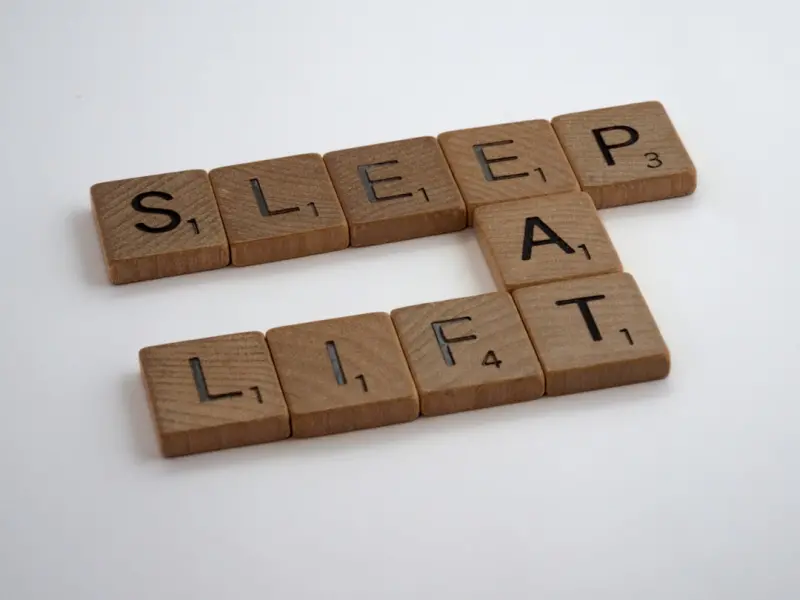
Why Sleep Is the Secret Super‑Power You’ve Been Ignoring
When I first started consulting with fast‑growing SaaS teams, the conversation always circled around productivity hacks, automation, and the next big growth metric. Nobody asked me how many hours of deep, restorative sleep my clients were actually getting. It wasn’t until a colleague—who swears by a nightly ritual of reading a novel by candlelight—shared a startling statistic that I realized I was missing the most fundamental lever in the health equation: sleep.
In a world where “always‑on” has become a badge of honor, the very act of closing our laptops can feel like a betrayal. Yet research shows that the average knowledge worker loses up to two hours of sleep each night, and the cost isn’t just a groggy morning. It’s impaired decision‑making, slower code reviews, and a hidden churn in employee morale.
Below, I’ll walk you through the science of sleep, why it matters for the modern professional, and—most importantly—how to design a sleep‑first strategy that fits seamlessly into a remote or hybrid work life. No fluff, no myth‑busting headlines, just practical steps that you can start implementing tonight.
The Biology Behind the Zzz’s
Sleep is not a passive state; it’s an active, highly regulated process driven by two main systems:
- Circadian Rhythm – the 24‑hour internal clock that tells your body when to be alert and when to wind down.
- Homeostatic Sleep Drive – the pressure that builds up the longer you stay awake, nudging you toward rest.
When these systems are in sync, you experience the restorative phases of deep sleep (slow‑wave) and REM (rapid eye movement) that consolidate memory, clear metabolic waste from the brain, and reset emotional balance. Miss a night, and the next day’s cortisol spikes, glucose tolerance drops, and even your immune response can be compromised.
Sleep Deprivation Is a Business Risk, Not Just a Personal Problem
Imagine a development sprint where half the team is running on four hours of sleep. Code reviews take longer, bugs slip through, and the inevitable “I didn’t see that” apology becomes a daily refrain. The biofeedback insights we’ve gathered from health‑focused SaaS teams confirm a direct correlation: every additional hour of quality sleep can boost cognitive performance by up to 12%.
Beyond the immediate productivity hit, chronic sleep loss drives higher turnover. Employees who feel chronically exhausted are more likely to seek roles with better work‑life balance, increasing recruiting costs and disrupting team cohesion.
Crafting a Sleep‑First Routine: 7 Actionable Steps
Below is a step‑by‑step framework you can roll out for yourself, your team, or even embed into your company’s wellness policy.
1. Establish a Consistent “Wind‑Down Window”
Our bodies love predictability. Aim to start winding down at the same time each evening—ideally 30–60 minutes before you intend to sleep. Use this window for low‑stimulus activities: gentle stretching, journaling, or listening to an instrumental playlist.
2. Implement a Screen Curfew
Blue light from phones, tablets, and laptops suppresses melatonin, the hormone that signals bedtime. Set an alarm on your devices to remind you to switch to “night mode” or, better yet, put them away entirely an hour before sleep. If you need a bedtime read, opt for a physical book or an e‑ink device that doesn’t emit blue light.
3. Optimize Your Sleep Environment
Temperature, noise, and darkness are the triad of sleep hygiene. Keep the bedroom cool (around 65°F/18°C), use a white‑noise machine or earplugs to block disruptions, and invest in blackout curtains. For those who love a bit of ambiance, a soft, warm night‑light can be soothing—just avoid any blue‑hued bulbs.
4. Nourish Your Brain Before Bed
What you eat in the evening matters. Light, protein‑rich snacks (like Greek yogurt with a drizzle of honey, or a handful of almonds) can stabilize blood sugar without causing indigestion. Avoid caffeine after mid‑afternoon and limit alcohol; while a nightcap may help you drift off, it fragments REM sleep later in the night.
5. Leverage Breathwork and Gentle Movement
Practices such as the 4‑7‑8 breathing technique (inhale 4 seconds, hold 7, exhale 8) activate the parasympathetic nervous system, lowering heart rate and preparing the body for rest. Pair this with a few minutes of light yoga or progressive muscle relaxation to release tension built up during the day.
6. Use Technology Wisely
There’s a paradox: tech can both sabotage and support sleep. Consider these tools:
- Sleep trackers (e.g., Oura Ring, Whoop) that give you data on sleep stages and readiness.
- Smart lighting that mimics sunrise and sunset, helping your circadian rhythm stay in tune.
- White‑noise apps that generate soothing soundscapes.
Remember, the goal is to let data inform, not dominate. Use insights to adjust habits, not to obsess over every minute of sleep.
7. Promote a Sleep‑Friendly Culture at Work
Leadership sets the tone. Encourage flexible start times that allow employees to align work hours with their natural sleep patterns. Offer “no‑meeting” blocks in the afternoon to prevent late‑day overload, and consider a company‑wide “digital sunset” policy that curtails internal messaging after a certain hour.
From Theory to Practice: A Real‑World Example
One of my SaaS clients—a fast‑growing analytics platform—implemented a three‑month pilot focused on sleep hygiene. They introduced a “Quiet Hours” policy, provided subsidized sleep‑tracking devices, and shared weekly newsletters with bite‑size sleep tips.
Results were striking:
- Average weekly productivity rose 8%.
- Bug‑fix turnaround time improved by 15%.
- Employee‑reported stress scores dropped by 22%.
The success reinforced a simple truth: when the brain gets the restorative downtime it craves, it can operate at its peak during waking hours.
Connecting the Dots: How Sleep Complements Other Health Strategies
Sleep doesn’t exist in isolation. It amplifies the benefits of other health habits you might already be practicing—like creating a personal wellness oasis at home or taking short, intentional breaks throughout the day. Think of sleep as the “reset button” that lets those micro‑interventions truly stick.
Common Myths That Keep You Up at Night
Let’s debunk a few pervasive misconceptions:
- Myth: “I can catch up on sleep over the weekend.”
Reality: While you can recover some deficit, chronic loss rewires your circadian system, making it harder to fall asleep on weeknights. - Myth: “More sleep is always better.”
Reality: Oversleeping (>9 hours for most adults) can be a sign of underlying health issues and may impair alertness. - Myth: “I don’t need a dark room; I’m not a light sleeper.”
Reality: Even minimal light exposure suppresses melatonin; blackout shades are a low‑cost upgrade with high ROI.
Future‑Forward Sleep: Emerging Trends to Watch
As the health tech landscape evolves, we’re seeing innovations that could redefine how we approach sleep:
- AI‑Driven Sleep Coaching – platforms that combine wearable data with machine‑learning algorithms to deliver hyper‑personalized bedtime recommendations.
- Neurofeedback Headbands – devices that monitor brainwave activity in real time, helping users enter deep sleep faster.
- Chronotherapy Lighting – office lighting systems that shift color temperature throughout the day, aligning workplace environments with employees’ natural rhythms.
Stay curious. The next breakthrough could be just a click away, and integrating it early can give your team a competitive edge.
Take the First Step Tonight
If you’ve read this far, you already know that sleep is a strategic asset—not a luxury. Choose one of the seven steps above and commit to it for the next week. Track your results, adjust as needed, and watch the ripple effect across focus, creativity, and overall wellbeing.
Remember, the most powerful performance upgrade doesn’t require a new software stack or a massive budget—it’s a good night’s sleep.

Karen Edwards is a seasoned freelance writer with a passion for all things furry, feathered, and scaled. With a dedicated focus on pets, she brings a wealth of knowledge and a keen eye for detail to her writing.
Related Posts
Reprogramming Your Body Clock: Mastering Circadian Rhythm in the Hybrid Workplace
Discover practical strategies to align your circadian rhythm with remote‑first work, leveraging li... Read More

Nature Soundscapes: The Quiet Productivity Boost for Remote Professionals
Natural soundscapes reduce stress hormones, enhance attention, and pair perfectly with micro‑movem... Read More
Snack Smart: A Remote‑Work Guide to Brain‑Boosting Nutrition
A comprehensive guide to intentional desk nutrition, offering snack hacks, timing tips, and mindful ... Read More
Top Posts
Why Community‑First Strategies Are the Next Frontier in B2B Digital Marketing
A deep dive into why community‑first approaches are reshaping B2B digital marketing, with actionable steps to build, engage, and scale a thriving professional...Read More

Beyond the Buzz: How Biofeedback Wearables Are Redefining Workplace Wellness
Biofeedback wearables provide real‑time health insights, turning personal data into actionable workplace wellness. Learn how to implement them responsibly, im...Read More

Riding the Google AI Wave: Rose DesRochers’ Insider Take on 2024’s Hottest Trends
Rose DesRochers breaks down Google’s 2024 AI wave, offering actionable SEO tactics, link‑building insights, and a forward‑looking checklist for marketers ...Read More

Surfing Google’s 2024 AI Tsunami: Rose DesRochers’ Front‑Row Take
Rose DesRochers shares a front‑row perspective on Google’s 2024 AI wave, highlighting Gemini’s breakthroughs, ethical considerations, and a practical play...Read More
0 Comments
Post Comment
You will need to Login or Register to comment on this post!