
The Remote‑First Retreat: Redefining How We Work and Wander
When I first swapped my cramped city apartment for a bamboo‑capped hut in the mountains of northern Portugal, I thought I was simply taking a vacation. What I discovered was a new template for living—one where work, exploration, and personal growth blend seamlessly. The remote‑first retreat isn’t a fleeting “work‑cations” buzzword; it’s a deliberate, strategic approach to designing trips that serve both professional ambitions and the human need for novelty.
In my experience, the magic happens when the itinerary is built around three pillars: purposeful workspace design, immersive cultural touchpoints, and mindful restoration. Forget the chaotic hotel desks or the noisy cafés that double as “temporary offices.” A remote‑first retreat is a curated environment where your laptop finds a natural home, your mind finds fresh stimuli, and your body finds moments to recharge.
1. Crafting a Workspace That Feels Like Home—Anywhere
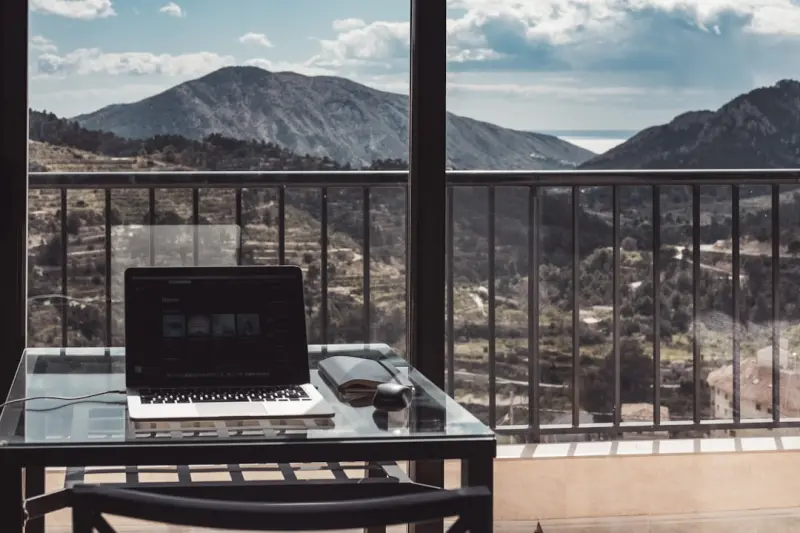
Most of us have spent years perfecting the ergonomics of our home office. The same principles apply on the road, but they demand a bit more creativity. Start by scouting accommodations that offer a dedicated desk or a quiet nook with a view. If you’re staying in a boutique hotel, request a room with a small balcony or a window that looks out onto a garden. The visual connection to nature isn’t just aesthetic; studies show it can boost focus and reduce stress.
Don’t overlook the power of sensory reset hubs. Bring a compact, foldable lamp that mimics natural daylight, a portable white‑noise speaker, or even a travel‑sized diffuser with calming essential oils. These tiny additions turn a generic table into a sanctuary where ideas flow as freely as the coffee.
Equipment matters, too. A lightweight, portable monitor can expand your screen real estate, while a USB‑C hub ensures you stay connected without a tangle of cables. I keep a small “travel tech kit” that includes a power bank, universal adapters, and a set of cable organizers—nothing that adds bulk, but everything that saves time.
2. Embedding Cultural Immersion Without Losing Productivity
Travel is the ultimate catalyst for fresh perspectives, yet many remote workers fall into the trap of “working in isolation” to protect their output. The remote‑first retreat flips this narrative: use the local culture as a source of inspiration, not a distraction.
- Language nuggets: Even if you’re not fluent, learning five key phrases can open doors to spontaneous conversations. This aligns with insights from language immersion benefits, showing that small linguistic gestures spark deeper connections.
- Local coworking pop‑ups: Many cities now host “day‑use” coworking spaces in historic buildings or art studios. Book a desk for a morning, then walk to a nearby market for lunch—your brain receives a gentle shift from analytical to sensory thinking.
- Project‑themed explorations: If you’re working on a user‑experience redesign, schedule a walk through a local museum to observe how people interact with exhibits. Take notes on flow, signage, and emotional triggers; these observations can translate into richer UX insights.
The key is intentionality. Set clear work blocks, but weave in short cultural interludes that rejuvenate your mental palette. A 20‑minute stroll through a bustling plaza can reset your focus better than a coffee break in a sterile lounge.
3. Prioritizing Restorative Practices for Long‑Term Sustainability
Remote work already blurs the line between “on” and “off.” Add travel, and the risk of burnout skyrockets if you don’t embed restoration into the schedule. Here’s how I structure my days:
- Morning sunrise ritual: Whether it’s a beach, a mountain ridge, or a city rooftop, I spend 10 minutes watching the sunrise while sipping herbal tea. The natural light cues the circadian rhythm and primes my brain for focused work.
- Midday micro‑breaks: Every 90 minutes, I step away for a brief stretch, a breathing exercise, or a quick walk. According to recent health research, these micro‑breaks improve cognitive retention and prevent eye strain.
- Evening wind‑down: I close my laptop at a set hour, dim the lights, and engage in a non‑screen activity—reading a local author, journaling, or practicing a simple yoga flow. This habit mirrors the advice from health hacks for remote professionals, emphasizing the need for deliberate mental downtime.
These routines don’t just protect your health; they enhance creativity. I’ve found that my most innovative ideas surface during the quiet moments after a sunset walk, when the mind is free from the pressure of deadlines.
4. Building a Community on the Move
One of the unexpected joys of remote‑first retreats is the organic community that forms among fellow travelers. When you stay in boutique guesthouses, attend local workshops, or join a co‑working day, you meet people who share similar challenges and aspirations.
Take advantage of these connections by setting up a “virtual accountability circle.” Exchange contact information, schedule a weekly video call, and share progress on personal or professional goals. This mirrors the community‑driven growth principles found in many SaaS strategies, but applied to a human, face‑to‑face context.
5. Sustainable Travel: A Responsibility, Not an Afterthought
Being a remote professional often means you have the privilege of traveling frequently. With that privilege comes the responsibility to minimize your environmental footprint. Choose accommodations with green certifications, support local businesses, and offset your carbon emissions where possible.
Even small actions add up: reuse a water bottle, walk or bike instead of renting a car, and opt for digital tickets over printed ones. When you align your travel habits with sustainability, you not only protect the planet but also inspire colleagues back home to consider greener choices.
6. Tech Tools That Empower the Remote‑First Retreat
While the core of a retreat is about human connection and environment, technology still plays a crucial supporting role. Here are my go‑to tools:
- Project management boards (e.g., Trello, Asana) that sync across devices, ensuring you can update tasks from a train or a beach café.
- Time‑zone friendly scheduling apps like World Time Buddy, which help you coordinate meetings without losing sleep.
- Local SIM cards or eSIMs for reliable internet connectivity, especially in regions where public Wi‑Fi is spotty.
Pair these tools with a disciplined “no‑notification” window during deep work periods. The balance of connectivity and disconnection is what makes the retreat productive and restorative.
7. Measuring Success Beyond Metrics
In SaaS, success is often quantified—ARR, churn, NPS. In a remote‑first retreat, I track both tangible and intangible outcomes:
- Deliverables completed: Did I meet my project milestones?
- New ideas generated: How many creative concepts emerged from cultural immersion?
- Well‑being score: On a scale of 1‑10, how refreshed do I feel after each day?
- Community engagements: Number of meaningful conversations or collaborations sparked.
Balancing these metrics ensures that the retreat fuels both professional progress and personal enrichment.
Conclusion: The Future Is a Hybrid of Work, Play, and Discovery
The remote‑first retreat is more than a trend; it’s an evolution in how we conceive of work and travel. By intentionally designing spaces, weaving cultural experiences into your workflow, and safeguarding mental health, you create a sustainable rhythm that fuels innovation. As the line between office and destination continues to blur, the most successful professionals will be those who master this harmonious blend.

Margaret Thomson is a seasoned freelance writer specializing in the dynamic worlds of marketing and advertising. With a career deeply rooted in the marketing field, Margaret brings a wealth of practical experience and insightful knowledge to her writing.
Related Posts

Micro‑Escapes: Tiny Trips, Big Returns
Micro‑escapes—short, purposeful trips—offer powerful mental resets, creative sparks, and a low... Read More
When Business Trips Become Idea Labs: Turning Journeys into Innovation Engines
Learn to transform routine business trips into idea labs by embedding intentional creative friction,... Read More
Remote Team Retreats: Turning Business Travel Into a Productivity Power‑Up
Discover a step‑by‑step playbook for creating remote‑first team retreats that align travel wit... Read More
Top Posts

Designing a Home That Fuels Focus and Calm
Discover a step‑by‑step guide to transforming your living space into a calm, focused environment using smart lighting, acoustic upgrades, intentional declut...Read More

Confidential Computing on Google Cloud: A New Trust Layer for SaaS
Confidential Computing on Google Cloud encrypts data while it’s being processed, offering SaaS providers a verifiable trust layer that reduces compliance cost...Read More

Cracking the Code: How to Make Your Content Thrive in Google Discover
Discover the proven steps to create Discover‑ready content, from visual assets to data‑driven topics, and turn personalized feeds into a traffic powerhouse....Read More

Pricing Gets Smart: AI’s Real‑Time Playbook for SaaS Revenue
Discover why static pricing is a relic and how AI‑driven real‑time pricing can dynamically align price with usage, market conditions, and customer value—d...Read More
0 Comments
Post Comment
You will need to Login or Register to comment on this post!