
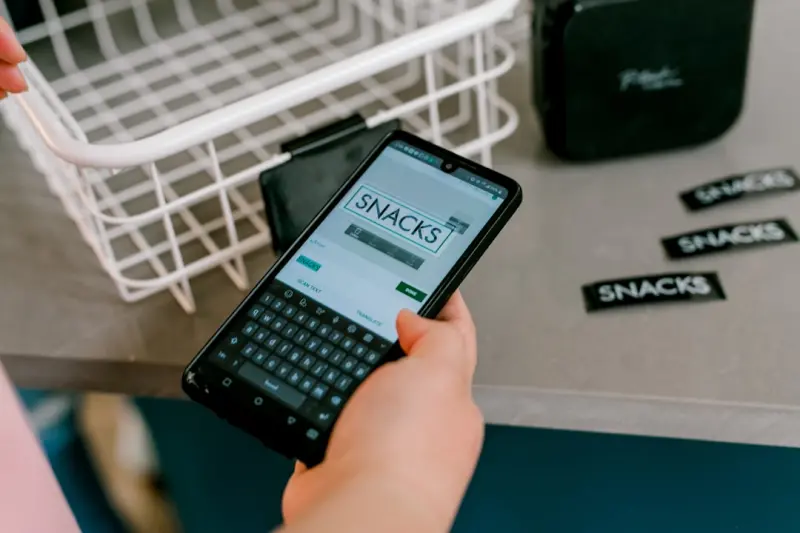
When the commute disappears and the kitchen is just a swivel away, our relationship with food silently reshapes. I’ve spent years watching remote teams trade lunches for endless coffee cups, and the pattern is clear: without intentional planning, the desk becomes a vending‑machine zone. This isn’t just a culinary inconvenience—it’s a performance issue. The foods we reach for can either sharpen our focus or drown us in the post‑lunch fog that even the strongest espresso can’t lift.
Why Desk Nutrition Deserves a Seat at the Strategy Table
Brain cells run on glucose, but not all glucose is created equal. Simple carbs cause a rapid spike in blood sugar, followed by a crash that leaves you craving more. Complex carbs, healthy fats, and proteins, on the other hand, release energy slowly, keeping you alert for longer stretches. In a remote environment, where the line between “work” and “home” blurs, the stakes are higher: every decision, every creative spark, and every collaborative call depends on the fuel you provide.
Beyond pure cognition, nutrition also influences mood. Omega‑3 fatty acids, magnesium, and B‑vitamins are linked to lower anxiety and better stress resilience—two factors that remote workers wrestle with daily. Ignoring these nutrients is like trying to run a marathon in flip‑flops; you’ll get there, but the journey will be painful.
The Most Common Desk‑Dining Pitfalls
- Mindless munching – scrolling through emails while reaching for the nearest bag of chips creates an automatic loop where you eat without tasting.
- All‑day caffeine reliance – caffeine can mask low blood‑sugar symptoms, leading you to skip meals altogether.
- Convenience over quality – the allure of pre‑packaged, high‑salt snacks is hard to resist when the pantry is a few steps away.
- Irregular eating windows – without a structured office schedule, meals drift to odd hours, disrupting circadian rhythms and metabolic health.
Designing a Brain‑Boosting Desk Pantry
Think of your pantry as a toolbox, not a candy store. Here are the core categories you want to keep stocked:
- Protein powerhouses: roasted chickpeas, Greek yogurt, low‑sodium turkey jerky, or a small handful of almonds.
- Complex carbs: whole‑grain crackers, air‑popped popcorn, or a slice of whole‑grain toast with avocado.
- Healthy fats: olive‑oil‑based hummus, a few olives, or a tablespoon of nut butter.
- Fiber & micronutrients: fresh berries, carrot sticks, snap peas, or a small side salad.
- Hydration allies: infused water (cucumber‑mint, citrus‑berry) and herbal teas that keep caffeine in check.
Every item should have a purpose: sustain energy, support neurotransmitter production, or stabilize mood. When you’re tempted to reach for a sugary granola bar, pause and ask, “Will this keep my blood sugar steady for the next two hours?” If the answer is no, swap it for a protein‑rich alternative.
Timing Is Everything: Aligning Snacks With Your Body Clock
The body’s internal clock—our circadian rhythm—doesn’t care whether you’re in a glass tower or a home office. It expects regular fuel. Eating too late can interfere with the sleep hygiene hacks that keep your brain reset each night. Aim for a light, protein‑forward snack every three to four hours, and finish your last substantial bite at least two hours before you plan to unwind. This rhythm not only improves focus but also enhances the quality of restorative sleep.
Snack Hacks That Keep the Brain in the Fast Lane
1. The 3‑2‑1 Ratio – For each snack, combine three grams of protein, two grams of healthy fat, and one gram of fiber. A quick example: a slice of whole‑grain toast (carb), topped with almond butter (fat), and a sprinkle of chia seeds (fiber).
2. Portion‑Control Containers – Pre‑portion nuts, seeds, and dried fruit into 1‑ounce bags. This prevents endless grazing and makes it easy to grab the right amount during a meeting.
3. The “Veggie‑First” Rule – Fill half your plate with raw or lightly steamed vegetables before adding any protein or carbs. This not only boosts micronutrient intake but also slows digestion, keeping you fuller longer.
4. Flavor Without Sugar – Use spices like cinnamon, turmeric, or smoked paprika to add excitement to snacks without the hidden sugars that cause energy crashes.
Hydration: The Unsung Hero of Cognitive Performance
Even mild dehydration can impair concentration, memory, and mood. Yet many remote workers forget to sip water because the kitchen is a few steps away and the “water bottle on the desk” becomes an eyesore. Set a timer for every hour, and drink a glass of water before you answer the next email. If plain water feels bland, add a splash of lemon or a few berries for a subtle flavor boost.
Mindful Eating in a Distraction‑Heavy Environment
Mindful eating isn’t about a zen retreat; it’s a practical technique to avoid the autopilot snack trap. Before you dive into a bowl of mixed nuts, pause. Take three deep breaths, notice the aroma, and assess your hunger level on a scale of 1‑10. This simple check can differentiate genuine hunger from stress‑driven cravings.
Integrating brief mindfulness moments also ties directly into micro‑movement tricks that break up long periods of sitting. A quick stretch, a few deep breaths, and a sip of water together create a mini‑reset that re‑energizes both body and mind.
Building the Habit Loop: Cue, Routine, Reward
Habits thrive on repetition. Identify a cue (e.g., the start of a video call), pair it with a healthy snack routine, and reward yourself with a quick mental note of how steady your focus feels. Over weeks, this loop rewires your brain to associate work milestones with nourishment rather than mindless scrolling.
Customizing for Personal Preferences and Dietary Needs
No single snack list fits everyone. Whether you’re vegan, gluten‑free, or following a low‑FODMAP plan, the principles remain the same: protein, healthy fat, and fiber. For a plant‑based worker, think edamame, hemp‑seed crackers, and a drizzle of tahini. For those with dairy sensitivities, replace Greek yogurt with coconut‑based kefir.
From Desk to Kitchen: Scaling Up for Meal Prep
Snacks are the day’s building blocks, but they work best when supported by balanced meals. Spend a few hours on the weekend prepping lean proteins (grilled chicken, baked tofu), roasted vegetables, and whole grains. Store them in portioned containers so you can assemble a complete lunch in minutes. This reduces the temptation to order delivery, which often carries hidden sugars, unhealthy fats, and excess sodium.
Measuring Success: Tracking Energy and Mood
Use a simple spreadsheet or a note‑taking app to log what you eat, when, and how you feel afterward. Look for patterns: a mid‑afternoon slump after a sugary snack? A sustained focus after a protein‑rich bite? Over time, this data becomes a personal nutrition roadmap, guiding you toward the foods that truly fuel your productivity.
Final Thoughts: Nourish to Flourish
Remote work offers flexibility, but that freedom can become a double‑edged sword when it comes to nutrition. By deliberately curating your desk pantry, timing snacks to sync with your body’s rhythm, and pairing food choices with mindful breaks, you set the stage for sustained mental clarity and emotional resilience. The next time you reach for a snack, remember: it’s not just a bite—it’s a strategic decision that can power your next big idea.

Karen Edwards is a seasoned freelance writer with a passion for all things furry, feathered, and scaled. With a dedicated focus on pets, she brings a wealth of knowledge and a keen eye for detail to her writing.
Related Posts

Tiny Moves, Big Gains: How Small Daily Actions Rewire Your Well‑Being
Micro‑moves—short, purposeful actions like standing, stretching, or gentle squats—can silently... Read More

Strategic Pauses: The Hidden Health Hack for High‑Performance Professionals
Strategic pauses—short, deliberate breaks that engage breathing, light movement, and a change of s... Read More
The Science of Meal Timing: How When You Eat Shapes Energy and Longevity
Learn why the timing of your meals matters as much as the food itself. Explore circadian rhythms, ti... Read More
Top Posts

Surfing Google’s 2024 AI Tsunami: Rose DesRochers’ Insider Playbook
Rose DesRochers shares her insider playbook for mastering Google’s 2024 AI-driven search, from content tactics to ethical SEO and future‑proofing your digit...Read More
Humanizing Automated Outreach: Voice, Chat, and Warmth at Scale
Discover practical ways to blend voice‑first messaging and conversational AI into your automated outreach, creating warm, human‑centric experiences that boo...Read More
Quantum‑Safe Encryption: Future‑Proofing Your SaaS Platform
Quantum‑safe encryption is no longer a futuristic concept; it’s a pressing need for SaaS providers. This article outlines the upcoming quantum threat, pract...Read More

How to Craft a Home Sanctuary That Boosts Focus and Joy
Discover step‑by‑step strategies to turn any living space into a calming, productive sanctuary, from decluttering hacks and lighting tricks to sustainable t...Read More
0 Comments
Post Comment
You will need to Login or Register to comment on this post!