
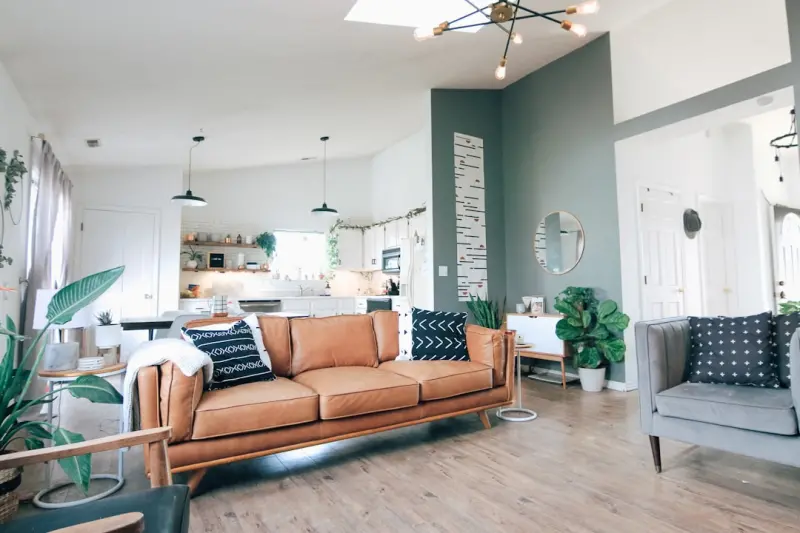
Why the Forgotten Corners of Your Home Deserve a Second Look
When I first moved into my downtown loft, I was dazzled by the open‑plan layout, the floor‑to‑ceiling windows, and the sleek modern kitchen. Yet, after a few weeks of arranging furniture and hanging art, I realized there were spaces I’d never even considered: the narrow strip between the kitchen island and the pantry, the awkward triangle under the staircase, and the tiny alcove behind the bathroom door. I used to think of these spots as “dead space,” but a recent bout of curiosity (and a few too‑many coffee‑filled evenings scrolling home‑design blogs) convinced me they’re actually gold mines for functionality, comfort, and personal expression.
Re‑imagining Nooks as Intentional Micro‑Zones
My philosophy has shifted from “fill every square foot” to “craft purposeful micro‑zones.” Instead of forcing a massive sofa into a cramped corner, I ask myself: what single, intentional use could this nook serve? The answer often lands on a simple, high‑impact idea—like a reading perch, a mini‑home‑office, or a plant sanctuary. By treating each niche as a distinct room in miniature, you can infuse personality without overwhelming the larger flow of the house.
Step‑by‑Step Blueprint for Transforming Small Spaces
- Survey & Map. Walk through each room with a sketchpad (or your phone’s notes app). Draw the floor plan, then highlight any negative spaces—areas you can’t sit in or place furniture in, but that are still accessible.
- Define a Single Purpose. Pick a purpose that aligns with your lifestyle. For me, the space beside the kitchen island became a “coffee command center,” complete with a compact espresso machine, a magnetic spice rack, and a small chalkboard for daily brew notes.
- Select Scalable Furniture. Choose pieces that can grow with the space. Think fold‑away desks, stackable stools, and wall‑mounted shelves that slide up when you need height and down when you need clearance.
- Layer Light Thoughtfully. Use a combination of ambient, task, and accent lighting. A narrow LED strip under the pantry door can double as a night‑light and a visual cue for the hidden storage behind it.
- Introduce Texture & Color. A bright rug, a patterned wall‑covering, or a set of woven baskets can delineate the micro‑zone from the surrounding area, giving it a sense of place.
- Test and Tweak. Live in the space for a week. If the coffee command center feels cramped, perhaps a wall‑mounted coffee bar is better. Flexibility is key; micro‑zones thrive on iteration.
Three Transformations That Worked Wonders in My Home
1. The Staircase Alcove: A Mini‑Studio
Under the staircase, there was a triangular void that felt like an afterthought. I turned it into a tiny art studio by installing a fold‑out drafting table, a wall‑mounted easel, and a row of slim, floating shelves for supplies. The space now serves as my “creative capsule,” a place where I can sketch or paint without stepping on a rug or rearranging furniture.
2. The Hallway Ledge: A Vertical Garden
Hallways often become mere transit zones, but a narrow ledge running the length of my hallway begged for a touch of greenery. I placed a series of shallow, self‑watering planters with low‑light‑tolerant herbs and ferns. Not only does it purify the air, but it also creates a calming visual rhythm as you walk from room to room.
3. The Bathroom Nook: A Zen Hydration Station
Behind the bathroom door lay a sliver of space too small for a full vanity. I installed a slim, wall‑mounted water dispenser, a set of decorative glass jars for toothbrushes, and a small shelf for scented candles. Now, stepping into the bathroom feels like entering a miniature spa, encouraging me to hydrate and unwind.
Integrating Technology Without Overwhelming the Aesthetic
Smart home devices are tempting, but I aim for subtlety. In the stair alcove studio, I added a tiny Bluetooth speaker that syncs with my phone—perfect for background music without a bulky sound system. For the hallway garden, a moisture‑sensor plug alerts me via my phone when the planters need watering. These tech touches enhance functionality while keeping the visual simplicity intact.
Design Inspiration from Within the Blog Community
If you’re looking for deeper inspiration on how light, sound, and scent can elevate these micro‑zones, check out the article on designing a sensory sanctuary. It explores how to harmonize environmental factors, which can be especially useful when turning a cramped nook into a tranquil reading corner.
For those who love seasonal updates, the piece on seasonal home refresh offers quick swaps that keep your micro‑zones feeling fresh throughout the year—think swapping out a summer‑bright rug for a cozy wool throw as the temperature drops.
Budget‑Friendly Tips to Keep Costs Low
- Repurpose Existing Items. That spare ladder can become a stylish bookshelf in your hallway alcove.
- Shop Secondhand. Vintage crates are perfect for under‑stair storage and add character.
- DIY Paint Projects. A single coat of bold paint on a narrow wall can transform a dull space into a statement.
- Use Multi‑Functional Accessories. A decorative tray can double as a catch‑all for keys, mail, and small tech.
Maintaining Your Micro‑Zones Over Time
Micro‑zones are living parts of your home; they evolve with you. Schedule a quarterly “nook check‑in” where you assess whether the purpose still serves you. If your reading corner has become a makeshift laptop station, consider swapping a small side table for a rolling laptop cart. The key is to remain adaptable.
Final Thoughts: The Power of Small Changes
By paying attention to the hidden corners of our homes, we unlock a world of possibilities that amplify comfort, productivity, and joy. These micro‑zones may be modest in size, but they hold the power to transform the entire feel of a space. So the next time you glance at a narrow strip or an awkward triangle, ask yourself: what could this become?

Margaret Thomson is a seasoned freelance writer specializing in the dynamic worlds of marketing and advertising. With a career deeply rooted in the marketing field, Margaret brings a wealth of practical experience and insightful knowledge to her writing.
Related Posts
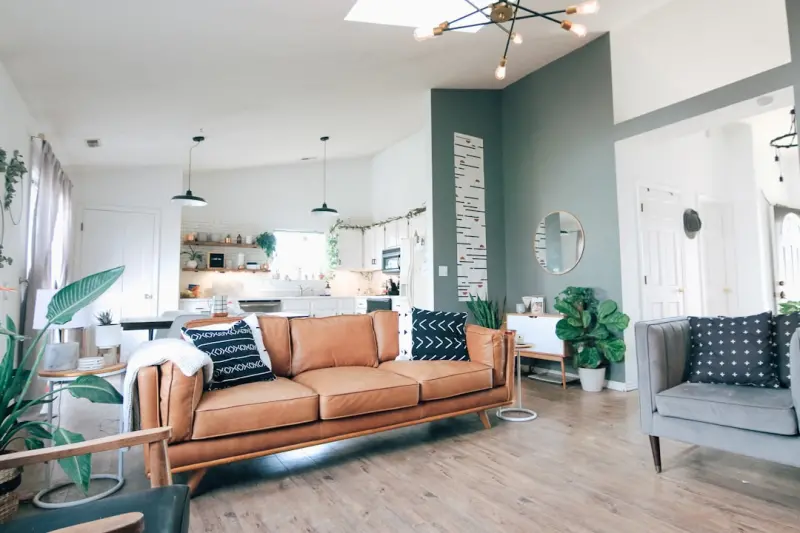
Transform Small Spaces with Multi‑Functional Furniture
Learn how versatile furniture can free up space, improve storage, and keep your small home stylish w... Read More
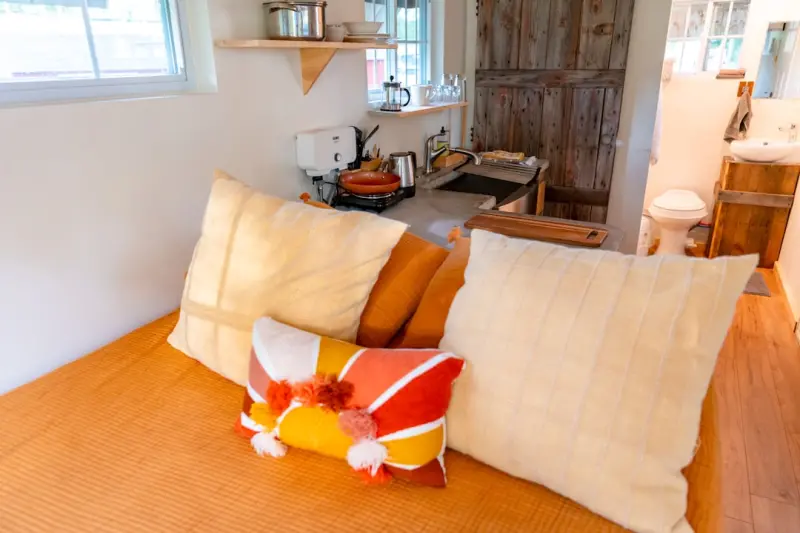
Crafting a Sensory Sanctuary: Tiny Home Tweaks for Big Calm
Learn how to transform your home into a sensory sanctuary with practical light, sound, texture, and ... Read More
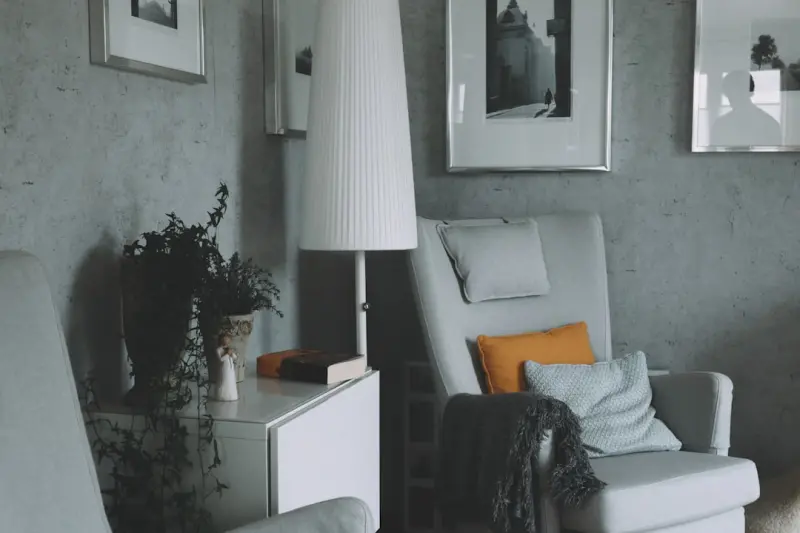
Revitalize Your Home with Sensory‑Smart Design Hacks
Margaret Thomson shares simple, sensory‑smart strategies—light, sound, texture, and scent—to t... Read More
Top Posts

Inside Google’s AI‑Driven Workspace Revolution
Google’s AI integration turns everyday workspace tools into dynamic collaborators, slashing drafting time, enhancing creativity, and safeguarding data—empow...Read More

Digital Detox for Knowledge Workers: Reclaiming Focus and Vitality
A data‑driven guide for knowledge workers to implement intentional digital boundaries, integrate purposeful movement, and foster a culture of healthy connecti...Read More

Riding the 2026 Google AI Wave: Insider Insights for Modern Marketers
Explore the 2026 Google AI wave and learn insider strategies for data‑driven creativity, privacy‑first tactics, and real‑time success measurement....Read More

Why Voice-First Is the Next Frontier for B2B Digital Marketing
Voice is reshaping how B2B buyers research and decide. This post dives into practical strategies for leveraging podcasts, smart speakers, and voice data to crea...Read More
0 Comments
Post Comment
You will need to Login or Register to comment on this post!