
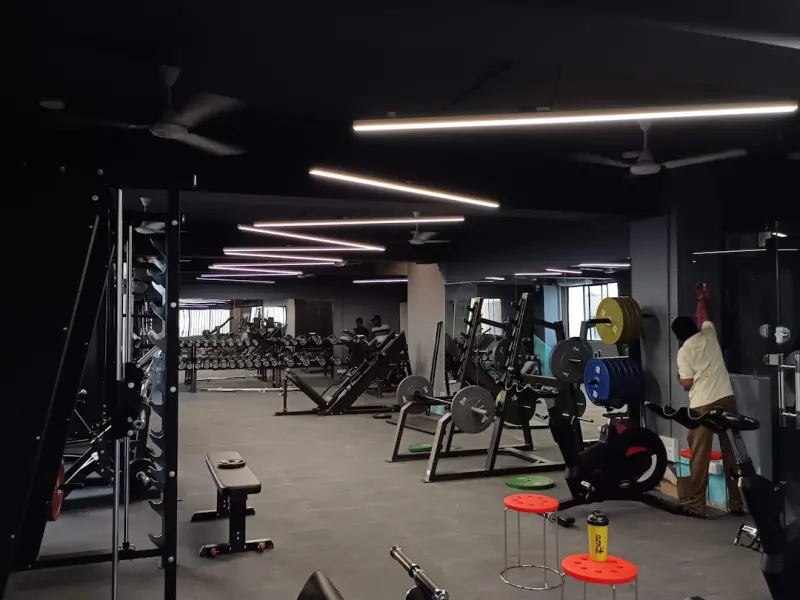
Beyond the Gym: Designing an Integrated Health Ecosystem for Modern Professionals
When I first stepped into the world of corporate wellness, the conversation revolved around gym memberships, step‑count challenges, and occasional yoga sessions. It felt like we were trying to fit a one‑size‑fits‑all sweater onto a body of wildly different shapes and needs. Over the past few years, I’ve watched a subtle but powerful shift: health is no longer a siloed activity but an ecosystem that intertwines technology, environment, and human behavior. In this post, I’ll unpack why the old playbook is obsolete and lay out a roadmap for building a truly integrated health experience that resonates with today’s professionals.
Why the Traditional Wellness Playbook Falls Short
Traditional corporate wellness programs often suffer from three critical blind spots:
- Metric‑Centric Focus: Success is measured by the number of steps logged or gym check‑ins, ignoring the qualitative aspects of wellbeing such as stress resilience and mental clarity.
- One‑Dimensional Delivery: Programs are delivered via a single channel—usually an app or a newsletter—making it easy for busy employees to tune out.
- Lack of Personalization: A blanket “join the yoga class” invitation assumes everyone has the same preferences, time availability, and physical capacity.
These shortcomings lead to low engagement, high churn, and a missed opportunity to harness health as a strategic asset. To move forward, we must reimagine wellness as a dynamic, data‑informed, yet deeply human experience.
The Four Pillars of an Integrated Health Ecosystem
Think of the health ecosystem as a living organism composed of four interdependent pillars: environment, technology, behavior, and culture. Each pillar reinforces the others, creating a virtuous cycle of wellbeing.
1. Environment: Designing Spaces That Nurture the Body and Mind
Physical surroundings shape how we feel and perform. Subtle changes—like adjustable lighting that mimics natural daylight, acoustics that reduce background chatter, and even scent diffusers calibrated to boost alertness—can dramatically affect energy levels. Companies that invest in ergonomically designed workstations, quiet zones, and biophilic elements (think indoor plants and natural materials) report higher employee satisfaction and reduced sick days.
2. Technology: Leveraging Biofeedback and Intelligent Insights
Wearables and ambient sensors have moved beyond step counts. Modern devices can capture heart‑rate variability (HRV), skin conductance, and even posture. When these data streams are anonymized and aggregated, they become a goldmine for identifying stress hotspots and tailoring interventions. For example, a sudden dip in collective HRV might trigger a micro‑break reminder or a brief guided breathing session.
Integrating these insights with existing business tools can close the loop between health and performance. A recent read on human‑centric AI strategies highlighted how predictive models can forecast burnout risk before it manifests, allowing leaders to intervene proactively.
3. Behavior: Nudging, Not Shoving, Toward Better Choices
Human behavior is fickle. Heavy‑handed mandates often backfire, creating resistance. Instead, subtle nudges—like defaulting meeting invitations to standing formats, offering “focus‑time” blocks, or gamifying hydration goals—encourage healthier habits without feeling intrusive. The science of choice architecture shows that the way options are presented can increase the likelihood of desirable actions by up to 30%.
4. Culture: Embedding Health Into the Core Narrative
A wellness program can’t thrive in a vacuum; it must be woven into the company’s DNA. This means leaders model healthy behaviors, success stories are celebrated, and health metrics are discussed alongside revenue numbers in town halls. When health becomes a shared value rather than an add‑on, participation becomes a natural byproduct.
Putting the Pillars into Practice: A Step‑by‑Step Blueprint
Below is a practical framework that can guide any organization—whether a startup or a multinational—through the transition from a fragmented program to a cohesive ecosystem.
- Audit the Current Landscape
- Map existing wellness initiatives, participation rates, and feedback.
- Conduct a physical environment assessment: lighting quality, acoustics, ergonomics.
- Identify data sources (wearables, badge swipes, calendar usage) and evaluate privacy safeguards.
- Define Success Metrics Beyond the Numbers
- Quantitative: reduction in absenteeism, improvement in HRV averages, increase in “focus‑time” blocks.
- Qualitative: employee sentiment, perceived work‑life balance, sense of belonging.
- Pilot an Integrated Experience in a Single Department
- Install adjustable lighting and a few standing desks.
- Deploy a low‑friction wearables program with opt‑in anonymity.
- Introduce micro‑nudges via the existing communication platform (e.g., Slack bots that suggest a five‑minute stretch after long meetings).
- Gather real‑time feedback through short pulse surveys.
- Iterate Using Data‑Driven Insights
- Analyze biofeedback trends alongside productivity metrics.
- Adjust environmental controls based on usage patterns (e.g., dim lights during deep‑focus periods).
- Refine nudges—replace low‑performing prompts with new experiments.
- Scale and Embed Into Culture
- Roll out successful interventions company‑wide.
- Train managers to discuss health metrics openly and compassionately.
- Celebrate milestones—like a department achieving a 15% reduction in stress‑related absenteeism.
Technology Spotlight: From Raw Data to Actionable Wellness
One of the most exciting developments is the emergence of context‑aware AI assistants. Unlike generic wellness chatbots, these assistants understand the employee’s current task, calendar load, and physiological state. When an employee’s calendar shows back‑to‑back meetings and their HRV indicates rising stress, the assistant might suggest a “mindful pause” with a short guided meditation, automatically blocking a five‑minute slot.
Building such capabilities doesn’t require starting from scratch. Companies can leverage existing AI platforms and feed them anonymized health signals, ensuring compliance with privacy regulations. The key is to keep the AI’s role supportive rather than prescriptive, preserving autonomy while delivering timely help.
Human Stories: How Integrated Wellness Transforms Real Lives
Let me share a couple of anecdotes that illustrate the power of an ecosystem approach:
- The Remote Designer Who Found Rhythm—Emma, a UI/designer, struggled with irregular sleep patterns after moving to a fully remote setup. By opting into a wearable program, she discovered that her HRV dipped consistently on days with late‑night video calls. Her manager, seeing the data, adjusted her meeting schedule, introduced a “no‑meeting Friday,” and added a brief evening wind‑down ritual. Within a month, Emma reported a 30% boost in creative output and felt more energized.
- The Sales Team That Turned Light Into a Performance Lever—A mid‑size tech firm installed dynamic lighting that shifted to cooler tones during high‑focus periods and warmer hues for collaborative sessions. Coupled with a gentle nudge to stand after two hours of sitting, the team’s average call duration decreased (indicating more focused conversations), while overall revenue per rep rose by 8%.
Addressing Privacy Concerns Head‑On
Collecting physiological data inevitably raises privacy questions. Here are three non‑negotiable principles to uphold:
- Transparency: Clearly explain what data is collected, how it will be used, and who will have access.
- Opt‑In/Opt‑Out Flexibility: Participation should be voluntary, with easy ways to withdraw at any time.
- Aggregated Reporting: Insights shared with leadership must be anonymized and presented at the cohort level, never at the individual level.
By embedding these safeguards, you not only comply with regulations but also build trust—an essential ingredient for any health initiative to succeed.
Future‑Proofing Your Wellness Strategy
As the workplace continues to evolve—hybrid models, AI‑augmented roles, and increasingly global teams—the health ecosystem must stay adaptable. Consider these forward‑looking tactics:
- Modular Wellness Platforms: Choose solutions that can plug into new tools (e.g., emerging collaboration suites) without massive re‑engineering.
- Continuous Learning Loops: Treat wellness as an experimental discipline; run A/B tests on nudges, lighting schemes, or break formats.
- Cross‑Domain Partnerships: Collaborate with health insurers, local fitness studios, and mental‑health providers to broaden the resource pool.
Conclusion: From Checklists to Living Systems
The next wave of corporate health isn’t about piling more checklists on top of existing workloads. It’s about weaving wellbeing into the very fabric of how work gets done—through thoughtful environments, intelligent technology, gentle behavioral cues, and a culture that celebrates health as a collective triumph. When done right, the benefits ripple far beyond reduced sick days; they manifest as sharper focus, deeper collaboration, and a workforce that feels truly supported.
If your organization is ready to move beyond the treadmill and start building a living health ecosystem, begin with a single experiment, listen closely to the data, and let the human stories guide the next iteration. The future of work is healthier, and it starts with the choices we make today.

Robert Mathews is a professional content marketer and freelancer for many SEO agencies. In his spare time he likes to play video games, get outdoors and enjoy time with his family and friends .
Related Posts

Nutrigenomics: Personalizing Nutrition for Peak Performance
A deep dive into nutrigenomics reveals how DNA‑based diet plans can transform energy levels, menta... Read More
Rewilding Your Daily Routine: How Nature Immersion Boosts Health
A fresh take on health: learn to weave nature into your daily habits for lasting mental and physical... Read More

Micro‑Movements at the Desk: Tiny Actions, Big Health Gains
Learn practical micro‑movement routines, tech tools, and nutrition tips to keep your body and mind... Read More
Top Posts

When Machines Muse: Harnessing AI as a Creative Co‑Pilot for Business Innovation
Discover how treating AI as a creative muse can transform product design, accelerate time‑to‑market, and foster responsible innovation, with practical frame...Read More

Why Digital Detox is the Missing Pillar in Modern Professional Health
A deep dive into why unplugging is crucial for modern professionals, offering actionable steps to create screen‑free zones, micro‑detox breaks, and a cultur...Read More
Riding the Crest of Google’s 2024 AI Wave: Rose DesRochers’ Insider Playbook
Rose DesRochers shares her insider perspective on Google’s 2024 AI wave, offering fresh SEO tactics, technical tips, and future‑focused insights for markete...Read More
How AI‑Powered Knowledge Hubs Are Redefining Remote Collaboration
AI‑powered knowledge hubs transform fragmented information into a living, intelligent repository, enabling remote teams to locate context, make faster decisio...Read More
0 Comments
Post Comment
You will need to Login or Register to comment on this post!