

When the office walls melt away and your kitchen table becomes your conference room, the line between work and well‑being blurs faster than a Zoom background. I’ve spent the last decade watching tech reshape how we collaborate, and now it’s time to let that same momentum power a healthier, more resilient version of ourselves. This isn’t another vague “drink more water” memo; we’re diving deep into biofeedback, micro‑movement, and the quiet power of intentional data that can transform stress from a silent killer into a measurable metric you can actually improve.
The hidden cost of “always‑on” culture
Remote work promised flexibility, but it also delivered a stealthy side‑effect: the perpetual feeling of being plugged in. Studies show that knowledge workers clock an average of 8.5 hours of screen time per day, with an additional 2‑3 hours of “always‑on” email and chat notifications. That relentless digital chatter spikes cortisol, erodes focus, and subtly sabotages sleep quality. The result? A workforce that feels perpetually fatigued, even when they’re technically “working from home”.
Enter biofeedback: turning invisible stress into visible data
Biofeedback isn’t new—cardiologists have used it for decades—but the democratization of wearable sensors has taken it from the clinic to the living room. Modern devices can track heart‑rate variability (HRV), skin conductance, and even respiration patterns in real time, giving you a physiological window into how your body reacts to stressors.
What makes this technology truly transformative is the real‑time health monitoring mindset that’s been championed in compliance circles. Just as firms now audit security events the moment they happen, you can audit your own stress signals the moment they spike. The moment your HRV drops below a personal baseline, a gentle haptic alert nudges you to breathe, stretch, or step away from the screen.
Micro‑breaks: the 2‑minute miracle
Think of micro‑breaks as the “code commits” of your day—small, frequent, and essential for system stability. Research from the University of Illinois suggests that a 2‑minute break every 30 minutes can improve focus by up to 23% and reduce eye strain dramatically.
- Micro‑stretch: Stand, reach for the ceiling, and roll your shoulders. It resets posture and encourages blood flow.
- Box breathing: Inhale for 4 seconds, hold for 4, exhale for 4, hold for 4. This simple rhythm can boost HRV within seconds.
- Screen‑free glance: Shift your gaze to something >20 feet away for 20 seconds. The 20‑20‑20 rule is a classic eye‑care hack, but the real benefit is a brief mental reset.
Pair these micro‑breaks with the data from your wearable, and you’ll start to see patterns—maybe you’re most stressed right after a back‑to‑back meeting, or perhaps a particular client call triggers a spike. Knowing the “when” lets you intervene with the “how”.
Designing a space‑savvy wellness setup
Physical environment plays a massive, often underestimated role in stress. A cluttered desk can trigger a mental feeling of overwhelm, while natural light and greenery can lower cortisol. The challenge for many remote workers is limited space, but clever organization can turn any nook into a wellness zone.
One strategy I love is the space‑savvy wellness setups approach: use modular trays for tech accessories, a small standing desk converter for posture shifts, and a portable plant that doubles as a visual break. The goal isn’t a full‑blown home office makeover; it’s a series of intentional tweaks that signal to your brain, “this is a place for focus, and this is a place for reset”.
Ethical AI: the silent guardian of health data
Collecting biofeedback data opens a Pandora’s box of privacy concerns. That’s why the conversation about ethical AI in health tech matters. When AI algorithms decide which stress alerts are “important,” they must be transparent, bias‑free, and give users full control over their data.
Imagine an AI coach that learns your stress triggers over weeks, then suggests personalized micro‑break sequences. It should also let you export raw data, delete histories, and opt‑out of any sharing. By demanding this level of ethical rigor, we protect the very health metrics we’re trying to improve.
Integrating biofeedback into daily workflows
Now that you have the tools, it’s time to weave them into your work rhythm without feeling like you’re adding another task to an already overflowing to‑do list. Here’s a step‑by‑step guide to make the integration seamless:
- Set baseline thresholds. Spend a week simply wearing your device without any alerts. Let the app establish your average HRV, resting heart rate, and skin conductance. These become your personal “normal”.
- Configure gentle nudges. Choose non‑intrusive alerts—soft vibrations or a subtle sound—that won’t interrupt a meeting but will be enough to catch your attention.
- Map triggers to actions. Pair each alert type with a specific micro‑break. For example, a sudden HRV dip triggers a 2‑minute box breathing session; a prolonged high skin conductance prompts a stand‑up stretch.
- Review weekly. At the end of each week, pull the data into a simple spreadsheet or the wearable’s dashboard. Look for trends—are certain times of day consistently stressful? Do certain tasks correlate with higher physiological strain?
- Iterate. Adjust thresholds, alerts, or break types based on what the data tells you. This is a living system, not a set‑and‑forget tool.
Beyond the individual: building a culture of measurable well‑being
While personal biofeedback is powerful, organizations can amplify impact by normalizing data‑driven well‑being. Here’s how leaders can champion this shift without crossing privacy lines:
- Offer company‑wide wearable subsidies. Provide a stipend or partnership with a reputable device brand, emphasizing personal use over corporate monitoring.
- Create “focus blocks”. Designate specific hours where meetings are discouraged, allowing teams to enter deep work mode. Pair this with optional “quiet hours” where notifications are muted.
- Run anonymous wellness dashboards. Aggregate anonymized stress data to identify peak stress periods across the organization. Use insights to adjust meeting schedules, deadlines, or workload distribution.
- Provide education. Host short webinars on interpreting HRV, effective breathing techniques, and ergonomics. Knowledge demystifies the data and empowers action.
Future horizons: predictive stress prevention
We’re standing on the cusp of predictive health analytics. Imagine an AI that not only reacts to a spike in cortisol but predicts it 30 minutes before it happens, nudging you to take a break preemptively. This is the next frontier—moving from reactive to proactive well‑being. As sensor fidelity improves and algorithms become more context‑aware, the dream of a truly resilient workforce becomes less sci‑fi and more inevitable.
Take the first step today
Stress isn’t a vague “feeling”; it’s a measurable signal that your body sends every second. By embracing biofeedback, micro‑breaks, intentional space design, and ethical AI, you transform that signal into a roadmap for better performance and lasting health. The tools are in your hands—literally. The question is: will you let the data dictate your next breath, or will you continue to guess?
Start with a single wearable, set up a 2‑minute break routine, and watch the numbers shift. In the weeks that follow, you’ll notice sharper focus, steadier moods, and a subtle yet powerful feeling that you’re no longer at the mercy of invisible stressors. That, my friends, is the real “health hack”—one that scales from a single desk to an entire enterprise.

Dale Peterson is a freelance writer with a passion for technology, travel, law and personal finance. With 10 years of experience crafting compelling and informative content, he's dedicated to delivering high-quality writing for Blogging Fusion that engages audiences and achieves specific goals.
Related Posts

Feeding Focus: How Gut Health Powers Remote Work Performance
Your gut does more than digest food; it shapes your mental clarity and stamina. Learn the science be... Read More

Reimagining Workplace Wellness: AI‑Powered Personal Health Dashboards
Explore the rise of AI‑powered personal health dashboards that blend wearable data, ambient sensor... Read More
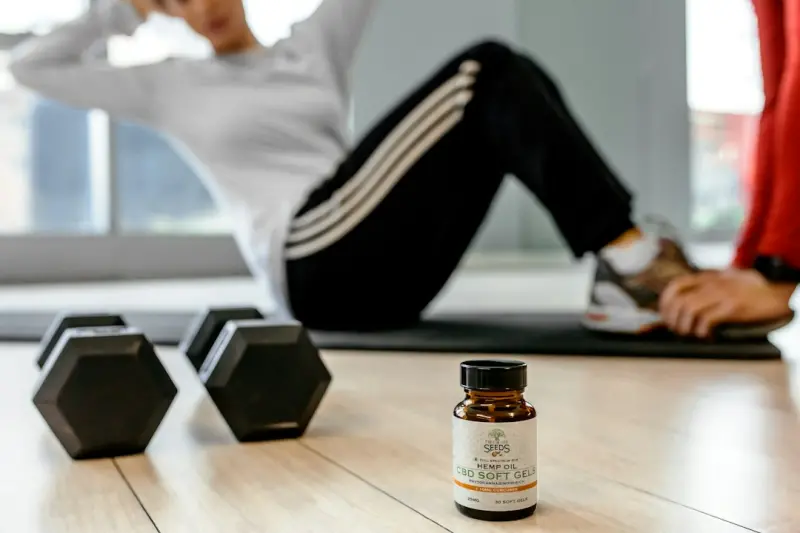
Micro‑Movements: Tiny Physical Hacks to Boost Office Health
Micro‑movements—brief, intentional motions performed throughout the workday—offer a powerful, ... Read More
Top Posts
Breathing Life into Remote Work: Simple Practices for Sustainable Well‑Being
Remote work can drain energy and focus, but simple breathing exercises and micro‑stretch routines can restore vitality. Karen Edwards shares evidence‑based ...Read More
The Edge-First Shift: Rethinking B2B SaaS Architecture for Ultra‑Low Latency
Latency is now a business imperative for B2B SaaS. This post explains the edge‑first approach, its drivers, implementation steps, and real‑world ROI, guidin...Read More
From Idea Fog to Product Roadmap: How AI Clarifies SaaS Innovation
A deep dive into using AI to sift through unstructured user feedback, quantify impact, and generate concrete product roadmaps, turning vague ideas into revenueâ...Read More

Quiet Sanctuary: Transform Noisy Rooms into Peaceful Retreats
Discover how to silence street noise, reduce echo, and craft a tranquil home using simple sealing, absorption, diffusion, and smart tech tricks—without breaki...Read More
0 Comments
Post Comment
You will need to Login or Register to comment on this post!