

Reimagining Workplace Wellness: AI‑Powered Personal Health Dashboards
When I first stepped into a coworking space in Bangalore, the hum of conversations blended with the soft click of keyboards. Yet, beneath that ambient buzz, I felt a subtle, persistent ache—a reminder that modern work life often leaves our bodies and minds in a state of low‑grade tension. Over the past few years, I’ve watched the health conversation shift from generic “wellness perks” to data‑driven, individualized experiences. The next frontier? Personal health dashboards that turn streams of biometric and behavioral data into actionable calm.
Why Traditional Wellness Programs Miss the Mark
Most companies still rely on one‑size‑fits‑all solutions: free gym memberships, occasional yoga classes, or a monthly wellness newsletter. While these initiatives are well‑intentioned, they rarely address the nuanced, day‑to‑day fluctuations each employee experiences. A developer who spends eight hours coding may need a different recovery routine than a sales lead constantly on video calls. The problem isn’t the lack of resources; it’s the lack of personalization.
Traditional programs also suffer from a “visibility gap.” Employees often can’t see the direct impact of their participation. They log a yoga session, but the metric that matters—how their stress level, focus, or sleep quality changes—remains hidden. Without that feedback loop, motivation dwindles.
Enter the Personal Health Dashboard
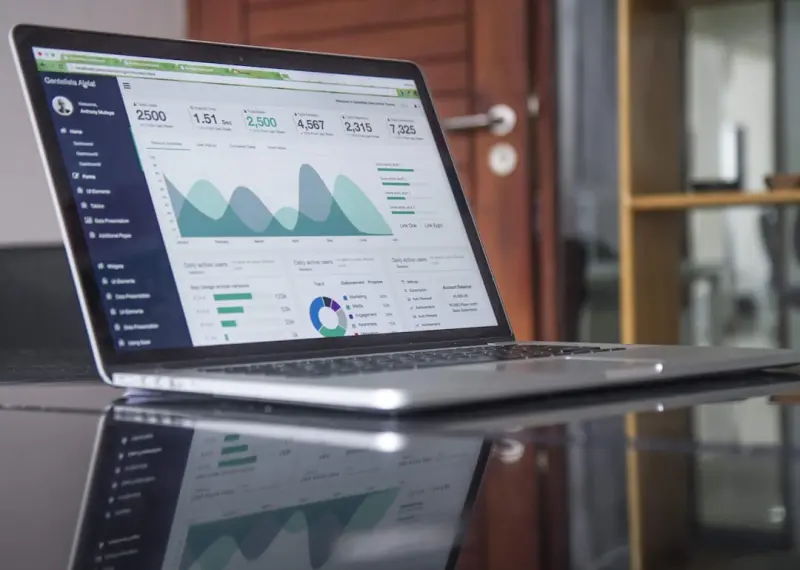
Imagine a dashboard that aggregates data from your smartwatch, phone usage patterns, ambient light sensors, and even your calendar. It translates raw numbers into a clear, intuitive visual narrative: “Your stress peaked at 3 pm after three back‑to‑back meetings. A 5‑minute breathing break could have lowered it by 12%.” This is not a futuristic fantasy; it’s an emerging reality powered by AI, edge computing, and privacy‑first design.
These dashboards do three things exceptionally well:
- Contextualize data in real time, linking physiological signals (heart rate variability, skin temperature) to work events (deadline pressure, long video calls).
- Predict potential burnout signals before they manifest, nudging users toward preventive actions.
- Personalize interventions—whether a quick stretch, a short walk, or a change in screen brightness—based on each individual’s unique patterns.
Building Trust: The Privacy‑First Imperative
Data sensitivity is the elephant in the room. Health metrics are some of the most personal data points we generate. A dashboard that feels intrusive will be abandoned faster than a free snack bar. The key is zero‑knowledge architecture: all processing happens locally on the device or at the network edge, ensuring that raw data never leaves the employee’s control. Aggregated insights can be shared anonymously with HR for macro‑level wellness strategy, but individual identities stay protected.
By designing with privacy at the core, companies can foster a culture where employees feel empowered rather than surveilled. Trust, once earned, turns a dashboard from a monitoring tool into a collaborative companion.
From Data to Calm: The Role of AI
Artificial intelligence isn’t just about crunching numbers; it’s about recognizing patterns that humans can’t see. Machine‑learning models can identify subtle shifts in heart‑rate variability that precede a stress spike, or detect that a user’s screen time spikes after late‑night emails. When paired with contextual data—like the time of day, meeting load, or even the color temperature of the office lighting—AI can suggest the most effective micro‑intervention.
Take the example of “micro‑breaks.” Research shows that a 2‑minute break every 45 minutes can boost focus by up to 30%. An AI‑driven dashboard can automatically schedule these breaks, adjusting the timing based on real‑time stress signals. It’s a dynamic system that evolves with you, rather than a static calendar entry you have to remember.
Integrating Ambient Wellness: Light, Sound, and Air
Health isn’t limited to what we wear on our wrists. The environment around us plays a massive role in our well‑being. A recent article on science‑backed hacks for home comfort highlighted how simple changes—like adjusting thermostat settings or optimizing natural light—can improve sleep quality and cognitive performance. The same principles apply to office spaces.
By feeding ambient sensor data (temperature, CO₂ levels, sound intensity) into the personal health dashboard, AI can recommend actions such as opening a window, dimming the lights, or playing a short ambient sound clip. This creates a holistic wellness loop: the body informs the environment, and the environment, in turn, supports the body.
Case Study: A Remote Team’s Journey to Resilience
One of our SaaS clients, a distributed product team of 150 engineers, piloted a personal health dashboard for six months. Here’s what happened:
- Stress reduction: Average self‑reported stress scores dropped 18% after the AI began suggesting micro‑breaks based on heart‑rate variability.
- Sleep improvement: By correlating evening screen time with sleep duration, the dashboard nudged users to switch to “night mode” an hour before bed, resulting in a 12% increase in average sleep hours.
- Productivity boost: Teams reported a 9% increase in sprint velocity, attributed to higher focus and reduced burnout.
The secret? The dashboard didn’t just push generic advice; it spoke in the language of each individual, using their own data as proof points.
Designing for Adoption: Simplicity Over Complexity
Even the most sophisticated AI will fail if the UI feels like a data‑science lab. The dashboard must be clean, intuitive, and instantly actionable. Key design principles include:
- At-a-glance summaries: Color‑coded status bars (green = calm, amber = elevated, red = stressed) give immediate feedback.
- One‑click interventions: A single tap launches a guided breathing exercise, a stretch routine, or a “focus music” playlist.
- Progress tracking: Weekly “calm scores” show trends, celebrating small wins and reinforcing habit formation.
Connecting Community and Personal Insight
While the dashboard is deeply personal, community still matters. A recent piece on community‑driven fitness showed how shared challenges boost engagement. Integrating optional community features—like team‑wide step contests or collective mindfulness minutes—creates a sense of belonging without compromising personal data.
The balance is delicate: employees can opt‑in to share aggregated metrics, fostering friendly competition, while keeping their detailed health data private. This hybrid model leverages the motivational power of community while respecting individual privacy.
Future Directions: The Evolution of Workplace Wellness
We are at the cusp of a wellness renaissance where health is no longer an afterthought but a core performance metric. Here’s what’s on the horizon:
- Predictive health pathways: Using longitudinal data to forecast chronic risk factors and suggest lifestyle adjustments years before symptoms appear.
- Cross‑device orchestration: Seamlessly linking smart desks, ambient lighting, and wearables to create a synchronized health ecosystem.
- Emotion‑aware AI: Detecting emotional states through voice tone or facial micro‑expressions (with consent) to provide empathetic support.
Each advancement hinges on a single principle: empowerment through insight. When employees see the direct impact of small, data‑backed actions, they become active participants in their own health narrative.
Getting Started: A Blueprint for Leaders
If you’re curious about introducing a personal health dashboard into your organization, follow these steps:
- Assess the data ecosystem: Inventory the wearables, sensors, and apps already in use. Identify gaps that need to be filled.
- Choose a privacy‑first platform: Look for solutions that process data on‑device or at the edge, and that offer transparent consent mechanisms.
- Pilot with a small cohort: Select a cross‑functional group, gather feedback, and iterate on UI/UX.
- Integrate community features (optional): Add low‑friction challenges to boost engagement without compromising privacy.
- Measure impact: Track stress, sleep, productivity, and retention metrics to demonstrate ROI.
Remember, the goal isn’t to turn every employee into a data scientist. It’s to give them a clear, compassionate mirror that reflects their health in real time, guiding them toward a calmer, more productive workday.
Conclusion: From Reactive to Proactive Wellness
In the age of AI, health data is no longer a static record—it’s a living conversation between the body, the environment, and technology. Personal health dashboards embody this dialogue, turning raw numbers into calm, actionable insights. By prioritizing privacy, simplicity, and community, organizations can shift from reactive wellness programs to proactive, data‑driven health ecosystems.
When employees feel seen, heard, and supported by intelligent tools, the ripple effects extend beyond individual well‑being—boosting creativity, collaboration, and ultimately, the bottom line. The future of workplace health isn’t about grand gestures; it’s about the quiet, constant guidance that helps each person thrive, one data point at a time.

Sanji Patel has dedicated 25 years to the SEO industry. As an expert SEO consultant for news publishers, he emphasizes providing both technical and editorial SEO services to news publishers worldwide. He frequently speaks at conferences and events globally and offers annual guest lectures at local universities.
Related Posts

Embracing the Cold: How Ice Therapy Can Rewire Your Body and Mind
Dive into the science of cold therapy and learn simple, safe ways to use ice exposure for improved h... Read More

Breathing Beyond the Boardroom: Simple Practices to Boost Health and Performance
Learn how easy breathwork can lower stress, improve focus, and increase productivity for SaaS profes... Read More

Nature Soundscapes: The Quiet Productivity Boost for Remote Professionals
Natural soundscapes reduce stress hormones, enhance attention, and pair perfectly with micro‑movem... Read More
Top Posts

Riding Google’s AI Wave: Why Humanity Still Wins in Search
Discover why, despite Google’s AI surge, authentic human storytelling remains essential for brand success and how to master the balance for lasting engagement...Read More

Why Micro‑Communities Are the Secret Weapon in Modern B2B Digital Marketing
Micro‑communities are reshaping B2B digital marketing by providing high‑trust, purpose‑driven groups that generate authentic engagement and qualified lead...Read More
Hyper‑Personalization, UGC, and AI: The Triple Threat Redefining Digital Marketing
Explore the power trio of hyper‑personalization, authentic user content, and AI automation—strategies that are transforming digital marketing and boosting R...Read More
Zero‑Party Data: The Future‑Proof Strategy Brands Can’t Ignore
Zero‑party data lets consumers share preferences willingly, giving marketers a compliant, high‑quality insight source that fuels personalized experiences an...Read More
0 Comments
Post Comment
You will need to Login or Register to comment on this post!