
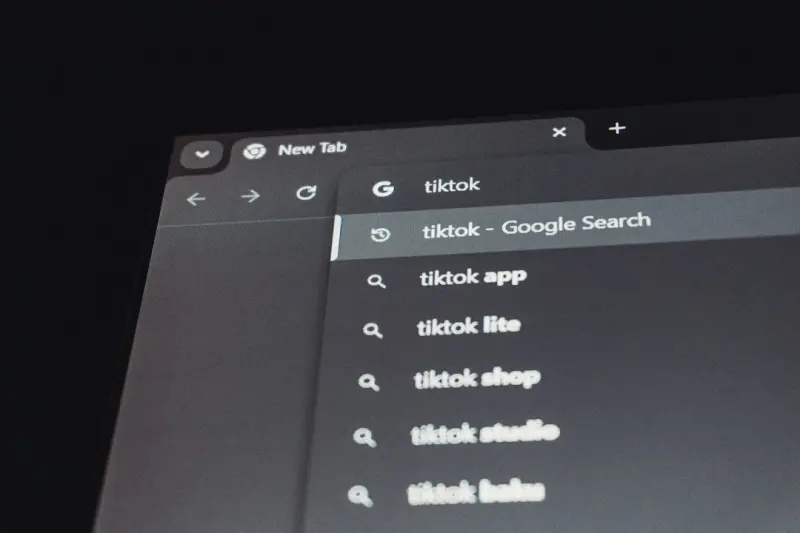
When you think about SEO, the first image that pops into most marketers’ heads is a bustling search results page dotted with clicks, rankings, and a flurry of traffic analytics. But what if the real gold lies in the spaces where users never click? Welcome to the era of zero‑click search, where the SERP itself does the heavy lifting and your brand can capture value without a single tap.
Why Zero‑Click Search Isn’t a Side‑Effect, It’s a Strategy
In the last few years, Google’s algorithms have become increasingly good at answering questions directly on the results page. From concise featured snippets to comprehensive knowledge panels, the platform is turning the search experience into an instant information hub. The upside? Your brand can appear in front of an audience that’s already in a buying mindset, even if they never land on your site.
But there’s a flip side. If you’re not optimizing for those zero‑click placements, you’re effectively handing the conversation to a competitor. The key is to treat the SERP as an extension of your digital real estate, not a dead end.
Mapping the Zero‑Click Landscape
Let’s break down the most common zero‑click features you’ll encounter and what they demand from you:
- Featured Snippets – The “quick answer” box that appears at the top of the page. It pulls a concise answer from a page you control.
- People Also Ask (PAA) – A cascade of related questions that expand when users click. Each question is an opportunity for a mini‑snippet.
- Knowledge Panels – A brand‑level snapshot that aggregates data from various sources, including structured data and verified listings.
- Local Packs & Maps – Especially vital for B2B SaaS firms with regional sales teams or localized events.
- Rich Results – Review stars, FAQs, and other schema‑driven elements that enhance visibility.
Each of these placements is a chance to embed your expertise directly into the user’s decision journey. And the best part? They’re all reachable through well‑structured content and technical SEO fundamentals.
Building Content for Snippets: The Anatomy of Success
Featured snippets love clarity, brevity, and structure. Here’s a quick checklist to make your content snippet‑friendly:
- Answer the question in the first 40‑50 words. Google often pulls from the opening paragraph.
- Use bullet points or numbered lists. They translate well into “list” style snippets.
- Include clear headings. H2/H3 tags help Google understand the hierarchy.
- Target question‑based keywords. Think “how to integrate API with SaaS platform” rather than “SaaS integration”.
- Provide definitive answers. Avoid vague language; give a concrete response.
For a deeper dive into how search is evolving beyond simple keywords, you might want to explore mastering multi‑modal search. The principles there dovetail nicely with snippet optimization, especially as voice assistants start pulling from the same data pools.
Powering Knowledge Panels with Structured Data
Knowledge panels are the crown jewels of zero‑click SEO for brands. They pull from a mixture of Wikipedia, your website’s schema markup, Google My Business, and trusted third‑party data sources. To stake your claim:
- Implement Organization Schema. Include name, logo, contact info, and social profiles.
- Leverage FAQ and How‑To schemas. These feed directly into both panels and PAA blocks.
- Maintain a consistent NAP (Name, Address, Phone) across all listings. Consistency builds trust in Google’s eyes.
- Publish authoritative content. Google cross‑references your site’s authority when assembling panels.
Don’t forget to audit your existing markup regularly. Tools like Google’s Rich Results Test can surface errors before they cost you prime panel space.
Winning the People Also Ask Game
PAA is essentially a dynamic FAQ engine. Every question a user expands can lead to another snippet opportunity. Here’s how to dominate this space:
- Identify question clusters. Use tools like AnswerThePublic or the “People also ask” section itself to map out related queries.
- Write concise, standalone answers. Each answer should be 40‑70 words, directly addressing the question.
- Link back to deeper resources. Even if the user never clicks, the link signals relevance to Google’s algorithm.
- Structure content with FAQ schema. This gives Google a ready‑made answer format.
Think of PAA as a branching tree: the more branches you populate, the higher the chance a user lands on a snippet that points back to your expertise.
Community‑First Content Hubs: A Zero‑Click Amplifier
Creating a hub of interlinked, community‑driven content can amplify your zero‑click presence. When users see a robust knowledge base, Google is more likely to surface your brand in knowledge panels and snippets. Check out community‑first content hubs for a roadmap on building these ecosystems.
Key tactics include:
- Encouraging user‑generated Q&A sections on your site.
- Hosting webinars and then turning transcripts into structured FAQs.
- Integrating community forums with schema markup to surface authentic answers.
Measuring Zero‑Click Success: Metrics That Matter
Traditional SEO metrics—organic traffic, bounce rate, session duration—don’t capture the full picture when clicks are optional. Instead, focus on:
- Impression Share for Featured Snippets. Google Search Console provides this data.
- Click‑through Rate (CTR) from SERP Features. Even a modest CTR can translate to significant brand exposure.
- Brand Lift Surveys. Ask prospects how they heard about you; SERP visibility often boosts unaided recall.
- Conversion Attribution. Use UTM parameters in URLs that appear in rich results to trace traffic that did click.
Remember, the goal isn’t necessarily to force clicks but to embed your brand in the decision loop, influencing outcomes indirectly.
Future‑Proofing: Voice, AI, and the Expanding SERP
Zero‑click SEO is not a static target. As voice assistants become more conversational and AI models like GPT‑4 integrate directly with search, the line between traditional SERPs and instant answers blurs further. To stay ahead:
- Optimize for conversational queries. Think natural language rather than exact match keywords.
- Invest in structured data that AI can parse. The more semantic signals you provide, the better AI can surface your content.
- Monitor emerging SERP formats. From carousel cards to AI‑generated summaries, each new format offers a fresh zero‑click slot.
In practice, this means treating every piece of content as a potential AI answer source, not just a page for humans to read.
Putting It All Together: A Zero‑Click Playbook
Here’s a concise, actionable roadmap you can start implementing today:
- Audit your current SERP features. Identify where you already appear (snippets, panels, PAA) and where gaps exist.
- Map core business questions. Align them with buyer intent stages—awareness, consideration, decision.
- Develop snippet‑first content. Draft answers that satisfy each question, using lists, tables, and clear headings.
- Implement and validate schema. Use Organization, FAQ, How‑To, and Product schemas as applicable.
- Build a content hub. Centralize all related answers, interlink them, and foster community contributions.
- Track SERP impressions and CTR. Adjust content based on performance data.
- Iterate for voice and AI. Test your answers with voice assistants and refine for conversational relevance.
By treating the SERP as a real‑estate parcel rather than a gateway, you turn every zero‑click interaction into a silent endorsement of your brand’s authority.
Conclusion: Embrace the Invisible Click
Zero‑click search isn’t a threat; it’s a paradigm shift. The most successful B2B SaaS companies will be those that can weave their expertise directly into the fabric of Google’s answer engine. When the user’s question is answered instantly, your brand is the one they remember, even if they never click. That, in my experience, is the most powerful form of SEO—earning trust and influence without a single tap.

Sanji Patel has dedicated 25 years to the SEO industry. As an expert SEO consultant for news publishers, he emphasizes providing both technical and editorial SEO services to news publishers worldwide. He frequently speaks at conferences and events globally and offers annual guest lectures at local universities.
Related Posts
SEO as Storytelling: Crafting Narrative‑Driven Search Strategies for B2B SaaS
This post reimagines SEO as a narrative arc—exposition, rising action, climax, and denouement—of... Read More

Zero‑Click Search: Capturing Value When Users Don’t Click
Zero‑click search reshapes how SaaS brands gain organic visibility. This post explores structured ... Read More
Human‑First AI Content: A Sustainable SEO Playbook
In a world where AI writes at scale, I share my roadmap for keeping content authentic, user‑centri... Read More
Top Posts

Preparing for the Quantum Age: Why Quantum‑Safe Encryption Matters
A deep dive into the emerging threat of quantum computers on current encryption and the practical steps organizations must take to adopt quantum‑resistant cry...Read More

Tiny Movement Bursts: The Unsung Hero of Remote‑Work Health
Micro‑movement bursts—short, intentional stretches or walks—are a powerful, low‑effort way to combat sedentary fatigue, improve cognitive performance, a...Read More

How AI Became My Everyday Creative Co‑Pilot
Explore the transformative partnership between AI and creators, revealing practical ways to supercharge ideas, workflows, and ethical practices in everyday proj...Read More
How Confidential Computing on Google Cloud Reinvents Data Security for SaaS
Confidential computing on Google Cloud offers hardware‑rooted enclaves that keep data private even during processing, giving SaaS providers a powerful securit...Read More
0 Comments
Post Comment
You will need to Login or Register to comment on this post!