
When I first saw a Google SERP that answered a query without any link, I felt a pang of fear. As a SaaS marketer, I’d spent years coaxing clicks from engineers, product teams, and sales reps. Then the search engine whispered back, “You don’t need me.” That moment sparked a deep dive into what I now call zero‑click search—the art and science of winning the user’s intent before they ever press a link.
Why Zero‑Click Search Matters for SaaS
In the B2B SaaS world, the buyer’s journey is already a marathon of research, demos, and stakeholder alignment. If a prospect’s first encounter with your brand is a one‑line answer in a featured snippet, you’ve already earned a seat at the table. The advantage isn’t just about traffic; it’s about brand authority, trust, and the subtle nudges that keep your solution top‑of‑mind.
- Visibility without click‑bait. Google now surfaces answers, calculators, and even comparative tables directly on the results page.
- Reduced friction. Decision‑makers can glean essential data in seconds, which shortens the research phase and accelerates the pipeline.
- Algorithmic favor. Google’s ranking signals increasingly reward structured, concise answers—so a strong zero‑click presence can lift your overall rankings.
Understanding the New SERP Landscape
The modern SERP is a collage of knowledge panels, featured snippets, People Also Ask boxes, and even shopping carousels. For SaaS, the most relevant formats are:
- Featured Snippets. Direct answers extracted from a page, usually in paragraph, list, or table form.
- FAQ & How‑To Schemas. Structured blocks that Google can surface as expandable Q&A sections.
- Rich Results. Charts, ratings, or product specifications that appear in a visually distinct box.
These formats are not “nice‑to‑have” add‑ons; they’re the new front doors to your brand. Ignoring them is akin to building a beautiful storefront that nobody can see.
Structured Data: The Backbone of Zero‑Click Success
Google’s ability to surface zero‑click answers hinges on the quality of your structured data. While the previous post dives deep into entity‑driven SEO, the takeaway for zero‑click is simple: tell Google exactly what you know.
Here are the schema types you should prioritize:
- FAQPage. Ideal for product‑specific questions like “How does my SaaS handle multi‑tenant security?”
- HowTo. Perfect for step‑by‑step guides—e.g., “How to set up automated onboarding in Product X.”
- SoftwareApplication. Provides details on operating systems, pricing models, and feature lists.
- Article. When you publish thought leadership, tagging it helps Google surface concise excerpts.
Implement these using JSON‑LD (the Google‑preferred format) and validate with the Rich Results Test. A single line of markup can be the difference between a hidden paragraph and a featured snippet.
Crafting Snippet‑Friendly Content
Even the best markup won’t work if the underlying content isn’t snippet‑ready. Here’s the recipe I use when drafting a new SEO piece:
- Identify the exact query intent. Use tools like AnswerThePublic or Google’s “People also ask” to surface the exact phrasing users employ.
- Answer the question in the first 40‑50 words. Google often pulls directly from the opening paragraph.
- Structure the answer as a list or table when appropriate. Bulleted lists and simple tables rank higher for “list” type snippets.
- Include a concise, keyword‑rich heading. This signals relevance to both users and crawlers.
For example, if the query is “What is a SaaS churn rate?”, a snippet‑friendly paragraph might read:
The churn rate for a SaaS business is the percentage of customers who cancel their subscription during a given period. It is calculated by dividing the number of churned customers by the total number of active customers at the start of that period.
That answer is short, factual, and ready for a featured snippet.
Leveraging FAQ and How‑To Markup
FAQ and How‑To schemas are especially powerful for SaaS because they align with the natural question‑answer flow of product evaluation. A typical workflow looks like this:
- Compile a list of top‑of‑funnel queries. Pull from sales enablement teams—what do prospects ask during discovery calls?
- Write concise, authoritative answers. Keep each answer under 120 words, and avoid fluff.
- Tag each Q&A with
FAQPageJSON‑LD. Ensure each question is unique—duplicate questions dilute impact. - Publish on a dedicated “FAQ Hub.” This not only aids SEO but also provides a centralized resource for your support team.
When done right, Google may surface your entire FAQ block directly in the SERP, giving your brand multiple touchpoints for the same search term.
Measuring Success Beyond Clicks
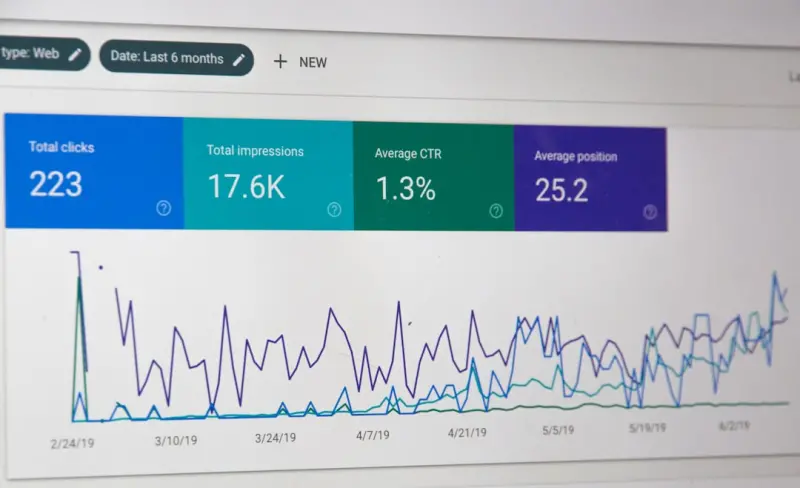
Zero‑click SEO forces us to rethink traditional metrics. Instead of focusing solely on organic click‑through rate (CTR), consider these KPI’s:
- Impression Share in Featured Snippets. Google Search Console now reports “position 0” impressions.
- Brand Lift Surveys. Ask prospects whether they recall your brand after a search, even if they didn’t click.
- Assisted Conversions. Track whether users who saw a snippet later convert via direct traffic or referral.
- Reduced Bounce Rate on Landing Pages. If users land after a snippet, they’re often more qualified, leading to lower bounce rates.
By integrating these metrics into your regular reporting dashboard, you’ll see a more holistic picture of how zero‑click search contributes to pipeline health.
Integrating Zero‑Click Strategies with Your Growth Engine
The real power of zero‑click SEO emerges when it dovetails with other growth levers. Here are three ways to weave it into an existing B2B SaaS growth stack:
- Content Repurposing. Turn high‑performing blog posts into FAQ schema. The Micro‑Content Mastery guide showed me that micro‑content fuels attention; now it also fuels zero‑click visibility.
- Sales Enablement. Equip SDRs with snippet links that they can embed in outreach emails, reinforcing credibility (“According to Google’s featured snippet, our churn rate is X%”).
- Product Marketing Alignment. When launching a new feature, create a “How‑To” schema that walks users through the setup. The snippet becomes a self‑serve tutorial that reduces support tickets.
In short, zero‑click SEO isn’t a siloed tactic—it’s a catalyst that amplifies every other growth initiative you already run.
Common Pitfalls and How to Avoid Them
Even seasoned SEO pros stumble when chasing zero‑click wins. Keep an eye out for these traps:
- Over‑optimizing for snippets. If you force a paragraph to read like a snippet at the expense of depth, you’ll hurt long‑form engagement.
- Neglecting evergreen relevance. Zero‑click queries change with industry trends; schedule quarterly reviews of your FAQ and How‑To content.
- Ignoring mobile‑first indexing. Snippets often appear on mobile; ensure your markup is mobile‑friendly and your page loads in under two seconds.
- Duplicate content across schema. Google penalizes multiple pages answering the same question. Consolidate or canonicalize where possible.
Future‑Proofing Your SEO Strategy
Google’s roadmap points toward even richer SERP experiences: AI‑generated answers, visual carousels, and conversational search. To stay ahead:
- Adopt AI‑assisted content creation. Use language models to draft concise answers, then have a subject‑matter expert verify accuracy.
- Invest in topic clustering. Build content hubs that interlink, giving Google a clear map of your expertise.
- Monitor emerging schema types. The
AskActionandAnswerActionschemas are early adopters’ playgrounds for conversational search.
By treating zero‑click SEO as a living system—continually testing, measuring, and iterating—you’ll lock in a sustainable advantage that outlasts algorithm updates.
Takeaway: Zero‑Click Is Not a Threat, It’s an Opportunity
In the end, the goal isn’t to force users to click—it’s to become the answer they trust. When your brand occupies that prime real estate on the SERP, you’ve already won the first battle of the buyer’s journey. The next battle is converting that trust into a demo, a trial, or a paying account. Zero‑click search is the silent sales rep that works 24/7, in every language, and on every device.
If you’re ready to start building your zero‑click presence, begin by auditing your existing content for snippet potential, implement the right schemas, and set up a monitoring cadence in Google Search Console. The results may surprise you—visibility without clicks, authority without ads, and growth without the traditional friction.

Shawn DesRochers is a certified Microsoft technician and Programmer with 30+ year's experience. He has written many reviews on computer related products, software, and SEO related topics. When he's not writing reviews he can be found at one of the Oldest Directories Online Business Directory USA which he is the CEO of.
Related Posts
The Untapped Power of Structured Data for B2B SaaS SEO
Structured data lets SaaS companies turn ordinary search listings into rich, interactive results tha... Read More
SEO Storytelling: Turning Rankings into Business Narratives
Learn to craft an SEO narrative that aligns rankings with business goals, leveraging crawl budget, s... Read More

Structured Data: The SaaS SEO Game‑Changer
Learn why structured data is essential for SaaS SEO, with a step‑by‑step guide, advanced tactics... Read More
Top Posts

How AI Became My Everyday Creative Co‑Pilot
Explore the transformative partnership between AI and creators, revealing practical ways to supercharge ideas, workflows, and ethical practices in everyday proj...Read More
Zero-Click SERP Optimization: Capture Value Without Clicks
Learn how to win zero‑click SERPs by crafting concise answers, leveraging schema, and measuring success beyond traditional clicks. Turn featured snippets into...Read More
AI‑Powered Knowledge Bases: Turning Data Overload into Strategic Insight
AI‑powered knowledge bases turn static docs into conversational, context‑aware assistants, helping SaaS teams cut through data overload, make faster decisio...Read More
From Keywords to Intent: Building an SEO Strategy That Predicts What Users Really Want
Learn the step‑by‑step method for turning search intent into a powerful SEO engine—clusters, SERP features, voice search, and AI insights combined for las...Read More
0 Comments
Post Comment
You will need to Login or Register to comment on this post!