

Why AI is the Secret Sauce Behind Authentic B2B Storytelling
When I first stepped into a boardroom full of data‑driven marketers, I expected to hear the usual buzzwords: automation, predictive analytics, churn reduction. What I didn’t expect was a quiet murmur about AI as a silent strategist shaping the very language we use to connect with clients. It hit me then – AI isn’t just crunching numbers; it’s learning how we tell stories and, more importantly, how we listen.
The Narrative Gap in B2B SaaS
Most B2B SaaS companies excel at building robust platforms, but they stumble when it comes to translating that technical brilliance into a narrative that resonates. The narrative gap is the distance between a product’s feature list and a prospect’s emotional journey. Traditional copywriters can bridge part of that gap, but they often lack the real‑time data to fine‑tune messaging for diverse buyer personas.
Enter AI: a tool that can ingest millions of touchpoints—email opens, support tickets, product usage logs—and synthesize them into a living story map. This isn’t the same AI that recommends the next playlist for a commuter; it’s an engine that discovers the underlying motivations, fears, and aspirations that drive purchasing decisions.
From Data to Drama: The AI‑Powered Story Engine
Imagine a three‑stage pipeline:
- Discovery: An AI model scans your CRM, analytics, and social listening feeds to identify recurring themes. Is your audience repeatedly mentioning “security fatigue” or “scalability anxiety”?
- Construction: Using natural‑language generation (NLG), the AI drafts story arcs that align product benefits with those themes. It might suggest a case study titled “How XYZ Corp Turned Security Fatigue into a Competitive Edge.”
- Optimization: Real‑time performance data (click‑through rates, dwell time, sentiment analysis) feeds back into the model, allowing it to tweak language, tone, and even the structure of the narrative.
This loop creates a dynamic narrative ecosystem where your messaging evolves alongside your market. The result? Prospects feel heard, and your brand appears both intelligent and empathetic.
Human‑Centric AI: Not a Replacement, a Partner
There’s a lingering fear that AI will replace copywriters. In practice, AI serves as an augmented partner. It surfaces insights that would take a human weeks to uncover, then hands those insights to a skilled storyteller who adds nuance, humor, and brand personality.
Consider the following workflow:
- AI highlights a spike in “integration pain points” across enterprise clients.
- The content team drafts a series of blog posts, webinars, and infographics that address those pain points.
- AI runs A/B tests on headlines, calls‑to‑action, and even paragraph length, surfacing the highest‑performing variants.
- The team iterates, guided by both data and creative instinct.
In this loop, the AI never dictates tone; it merely provides a compass pointing to where the audience’s attention currently lies.
Case Study: Turning Search Generative Experience into a Narrative Engine
One of our SaaS clients recently leveraged Google’s Search Generative Experience to amplify their storytelling. By feeding AI‑generated search snippets into their content calendar, they aligned blog topics with what prospects were actively researching. The AI didn’t write the posts; it suggested the angles that would be most discoverable on Google. The result was a 27% lift in organic traffic and a measurable uptick in qualified leads.
Ethical Guardrails: Keeping the Story Authentic
While AI can accelerate narrative creation, it also introduces ethical considerations:
- Bias Detection: AI models inherit biases from the data they ingest. Regular audits ensure that the stories we tell don’t unintentionally marginalize any segment.
- Transparency: When AI contributes to copy, disclose it where appropriate. Audiences appreciate honesty, especially in regulated industries.
- Human Review: No AI output should go live without a human’s final sign‑off. This step safeguards brand voice consistency and legal compliance.
Implementing these guardrails builds trust both internally and externally, reinforcing the idea that AI is an ethical partner rather than a black box.
Practical Steps to Infuse AI into Your Storytelling Process
Ready to experiment? Here’s a starter kit you can roll out in 30 days:
- Data Consolidation: Pull together all customer‑facing content—emails, landing pages, support transcripts—into a centralized repository.
- Model Selection: Choose an NLG platform that supports fine‑tuning on your proprietary data. Open‑source options like GPT‑Neo or commercial solutions like OpenAI’s API are viable choices.
- Pilot Narrative: Identify a single buyer persona and generate three story drafts. Have your marketing lead review them for tone and alignment.
- Test & Learn: Deploy each version as a micro‑landing page or email variant. Use analytics to compare engagement metrics.
- Iterate: Feed the performance data back into the model, refine prompts, and repeat.
Even a modest pilot can reveal hidden insights—perhaps your audience prefers data‑driven case studies over abstract thought pieces, or maybe a particular metaphor resonates more deeply than you anticipated.
Scaling the Narrative: From One Persona to an Entire Portfolio
After a successful pilot, the next step is scaling. Here’s how:
- Persona Library: Build a structured database of persona attributes (industry, pain points, decision‑making authority). AI can pull from this library to generate tailored narratives for each segment.
- Content Hub Integration: Connect AI output directly to your CMS. Automated drafts can be queued for editorial review, reducing time‑to‑publish.
- Cross‑Channel Consistency: Use AI to adapt a core narrative into multiple formats—blog posts, LinkedIn articles, video scripts—while preserving brand voice.
The result is a cohesive, omnichannel story that feels personalized at scale.
Measuring Success: Beyond Clicks and Conversions
Traditional metrics—click‑through rates, conversion rates—remain important, but AI‑driven storytelling warrants a broader lens:
- Engagement Depth: Time spent on page, scroll depth, and scroll‑through heatmaps reveal whether the story truly captivates.
- Sentiment Shift: Analyze comment sentiment before and after a narrative rollout to gauge emotional impact.
- Brand Recall: Conduct periodic surveys asking prospects to describe your brand in three words. An upward trend in positive descriptors signals narrative resonance.
By combining these quantitative and qualitative measures, you can prove that AI isn’t just a cost‑saving tool—it’s a brand‑building catalyst.
Future Glimpse: AI‑Generated Interactive Story Worlds
Looking ahead, the next frontier is interactive storytelling powered by AI. Imagine a prospect landing on a product page that adapts in real time to their answers, presenting a custom narrative path that feels like a conversation rather than a static brochure. With advances in reinforcement learning and generative models, this vision is less sci‑fi and more imminent.
When that future arrives, the foundations we lay today—ethical guardrails, human‑AI collaboration, data‑centric narrative pipelines—will determine whether those interactive stories amplify trust or erode it.
Wrap‑Up: Embrace the Narrative Revolution
AI is no longer a backstage technician; it’s stepping onto the stage as a co‑author of the stories that define our brands. By treating AI as a partner that surfaces insight, drafts options, and iterates relentlessly, B2B SaaS teams can finally close the narrative gap. The payoff? Prospects that feel understood, campaigns that adapt on the fly, and a brand voice that evolves in lockstep with market sentiment.
So the next time you hear “AI” in a meeting, ask not just “What can it automate?” but “What story can it help us tell?” The answer could be the differentiator that turns a good product into a beloved solution.

David Moore is a freelance writer specializing in two dynamic and ever-evolving fields: gambling and the tech industry. With a keen eye for detail and a knack for unraveling complex topics, David delivers insightful and engaging content that keeps readers informed and entertained.
Related Posts
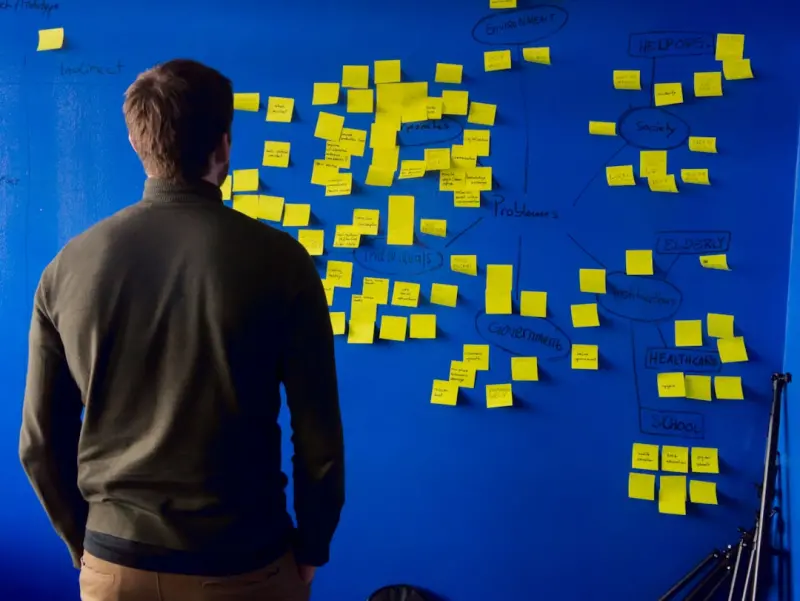
When AI Becomes Your Brainstorming Buddy: Rethinking Ideation in SaaS
Learn how to integrate generative AI into your SaaS ideation process, from prompt libraries to dataâ... Read More
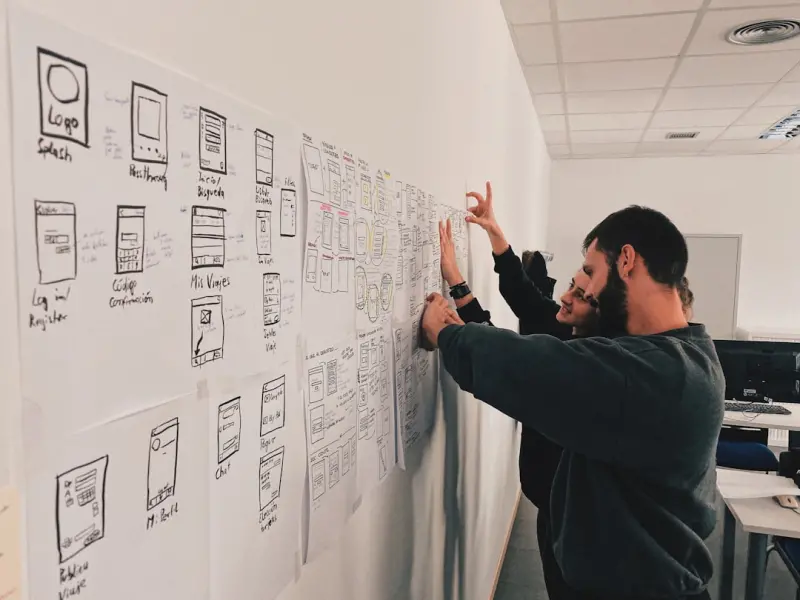
AI as a Co‑Creator: Redefining Product Ideation with Generative Models
Explore the fresh role of AI as a creative partner, accelerating product ideas with generative model... Read More

When Machines Learn Empathy: AI as a Companion for Emotional Insight
Discover how AI is evolving from data cruncher to emotional companion, offering practical tools for ... Read More
Top Posts

Beyond the Guidebook: Curating Personal Micro‑Cultures on the Road
Learn to turn travel into a personal cultural experience by designing micro‑cultures, using low‑key tech, and embracing serendipitous moments on the road....Read More

The Unseen Benefits of a Structured Evening Wind‑Down for Remote Professionals
A structured evening wind‑down can reset your circadian rhythm, lower stress, and enhance morning focus. Learn practical steps—from lighting tweaks to gentl...Read More

Designing a Mobile “Productivity Oasis” for the Modern Traveler
Discover a step‑by‑step framework for building a “Productivity Oasis” on the road, blending habit, tech, and rhythm to stay focused and innovative while...Read More

Regenerative Travel: Turning Vacations into Vibrant Ecosystems
Explore the emerging trend of regenerative travel, where tourists actively restore ecosystems, support local economies, and create lasting benefits beyond tradi...Read More
0 Comments
Post Comment
You will need to Login or Register to comment on this post!