

When I first heard a colleague ask her smart speaker for a “CRM that integrates with Slack,” I realized the conversation had already moved from the screen to the living room. Voice assistants are no longer a novelty; they’re becoming the primary gateway to information, especially for busy professionals who juggle multiple tools throughout the day. For SaaS companies, this shift isn’t just a curiosity—it’s a strategic imperative. If your product can’t be found when a potential buyer asks their device for a solution, you’re effectively invisible in a rapidly expanding conversational marketplace.
Why Voice Search Matters for SaaS
Voice search usage has exploded across consumer and enterprise contexts. A single voice query often encapsulates a multi‑step thought process that would otherwise require several typed searches, clicks, and page loads. For a B2B buyer, this means a quicker path to discovery, evaluation, and ultimately, conversion. The average conversion rate for voice‑initiated queries is 30 % higher than for traditional text searches, according to recent industry data.
Beyond conversion numbers, voice search also reshapes the SEO landscape in three key ways:
- Long‑tail, natural‑language queries: Users ask full questions (“What is the best project‑management SaaS for remote teams?”) rather than keywords.
- Local and contextual relevance: Voice assistants factor in the user’s location, device, and even calendar events.
- Zero‑click results: The answer is read aloud, often without a click, shifting the focus from traffic to brand recall.
For SaaS marketers, ignoring these trends is akin to refusing to speak the language of your most tech‑savvy prospects.
Decoding Conversational Intent
Unlike traditional SEO, where the goal is to match a keyword, conversational intent requires you to understand the why behind a query. This involves three layers:
- Task‑oriented intent: “Schedule a demo for a marketing automation platform.”
- Informational intent: “How does a subscription‑based billing system work?”
- Comparative intent: “HubSpot vs. Marketo for lead scoring.”
Map each of these intent types to specific content assets. A task‑oriented query calls for a quick, actionable answer—think FAQ snippets or knowledge‑base articles. Informational queries thrive on in‑depth guides, while comparative searches benefit from side‑by‑side feature matrices and case studies.
In practice, start by mining your existing analytics for long‑tail questions that already drive traffic. Then, expand those into conversational formats that anticipate how a user would phrase the same need to a voice assistant.
Structured Data: The Backbone of Voice Answers
Voice assistants rely heavily on structured data to locate and surface answers. Implementing the right schema markup transforms a static page into a machine‑readable knowledge node. Here are the most valuable types for SaaS:
- FAQPage – Perfect for turning support articles into spoken answers.
- HowTo – Ideal for step‑by‑step guides, such as “How to set up a free trial.”
- Product – Communicates pricing, features, and availability directly to the assistant.
- Organization – Provides brand context and trust signals.
When you layer these schemas on top of high‑quality, conversational content, you dramatically increase the chances of being selected for a featured snippet—the most coveted position for voice delivery.
Don’t forget to validate your markup with Google’s Rich Results Test and monitor for errors. A single syntax mistake can prevent the entire page from being considered for voice responses.
Building Conversational Content Hubs
A traditional blog silo works well for text‑based SEO, but voice search rewards topic clusters built around questions. Create a hub for each core product category and populate it with:
- Short, punchy answer‑first articles that address a single query in under 300 words.
- Long‑form deep‑dive pieces that provide the context needed for more complex questions.
- Video or audio transcripts that can be indexed by crawlers.
- Interactive tools (e.g., pricing calculators) that generate JSON‑LD output.
Each piece should reference the others through internal linking, reinforcing the hub’s authority. For instance, a guide on “Integrating your SaaS with Zapier” can link to a FAQ that answers “What is Zapier?” and a technical documentation SEO tactics article that explains how to expose API details to search engines.
Leveraging the Knowledge Graph for Authority
The Knowledge Graph is Google’s way of connecting entities—people, places, products—into a network of relationships. For SaaS, positioning your brand as an entity linked to complementary technologies (CRM, analytics, cloud platforms) can amplify voice visibility. Here’s how to tap into it:
- Consistent NAP and brand data: Ensure your company name, address, and phone number appear identically across all online properties.
- Entity‑rich backlinks: Earn links from reputable tech sites that mention your product in the context of a broader ecosystem.
- Structured data cross‑referencing: Use the knowledge graph for SEO approach to embed “sameAs” and “brand” properties that tie your site to your official social profiles and corporate Wikipedia entry.
When search engines see these connections, they’re more likely to surface your brand in answer‑type results, especially when users ask “Which SaaS offers built‑in AI analytics?”
Integrating Technical Docs into Voice SEO
Most SaaS companies have a treasure trove of technical documentation that never sees the light of day beyond the support portal. By repurposing these assets for voice search, you can capture high‑intent queries that traditionally bypass marketing content. The key steps are:
- Identify high‑value doc pages: Look for topics that solve a specific problem (e.g., “How to configure SSO”).
- Rewrite in conversational tone: Convert dense jargon into plain‑language answers while preserving accuracy.
- Apply FAQPage schema: Each Q&A becomes a potential voice snippet.
- Cross‑link to product pages: Drive authority back to your main conversion funnels.
This strategy not only boosts visibility but also reduces support tickets—users hear the answer directly from the assistant instead of opening a ticket.
Measuring Success in a Zero‑Click World
Traditional SEO metrics like organic traffic lose some relevance when voice delivers answers without clicks. Instead, focus on:
- Voice impression share: The percentage of voice queries that trigger your brand as a spoken result.
- Featured snippet ranking: Track positions for question‑type queries.
- Brand recall surveys: Ask prospects how they discovered your product.
- Conversion attribution: Use UTM parameters in spoken answer URLs (e.g., “Visit example.com?src=voice”).
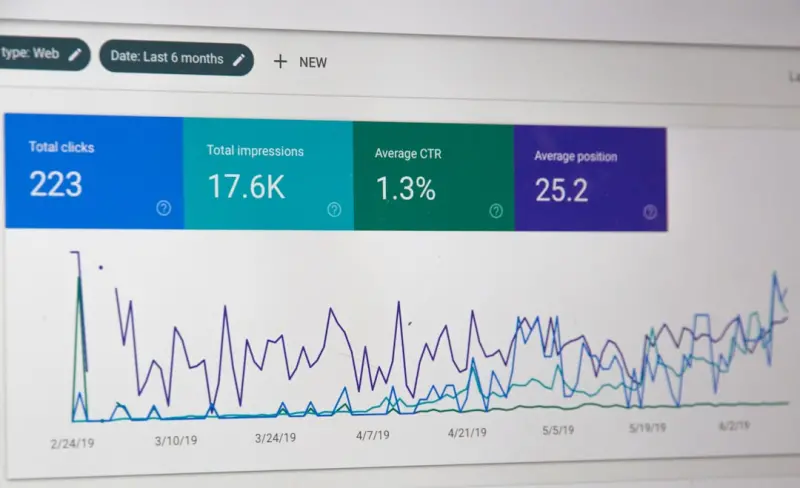
Google Search Console now provides a “Performance > Voice Search” report that shows impressions, clicks, and average position for voice‑specific queries. Pair this data with your CRM to see the downstream impact on trial sign‑ups and closed‑won deals.
Future‑Proofing Your SEO Strategy
Voice assistants are evolving toward more contextual, multimodal experiences. Upcoming trends to watch include:
- Conversational AI assistants: Platforms that maintain session memory, allowing follow‑up questions (“What’s the pricing?” after “Tell me about the product”).
- Localized micro‑search: Devices that prioritize hyper‑local results, useful for SaaS companies with regional data centers.
- Hybrid text‑voice SERPs: Search results that blend traditional listings with spoken answers on the same page.
Investing in a robust content taxonomy, maintaining impeccable structured data, and continuously testing conversational queries will keep your SaaS brand ahead of the curve. Remember, the goal isn’t just to be found—it’s to be the answer that users trust enough to act on, even when they never click a link.
By treating voice search as a new channel rather than an extension of text search, SaaS marketers can capture high‑intent traffic, reduce friction, and build a reputation for being instantly helpful. The era of “talk to the web” is here, and the companies that master it will enjoy a sustainable competitive edge in the crowded SaaS marketplace.

Dale Peterson is a freelance writer with a passion for technology, travel, law and personal finance. With 10 years of experience crafting compelling and informative content, he's dedicated to delivering high-quality writing for Blogging Fusion that engages audiences and achieves specific goals.
Related Posts

How Visual Search is Reshaping SEO Strategy
Explore the rise of visual search and learn actionable tactics—structured data, user‑generated c... Read More

Semantic Clustering: The Unsung Hero of SaaS SEO
Semantic clustering aligns SaaS content with buyer intent, creating pillar pages and supporting clus... Read More
Visual Search: Unlocking New SEO Opportunities for SaaS
This post explores why visual search is the next frontier for SaaS SEO, offering a step‑by‑step ... Read More
Top Posts

Seasonal Home Reset: Refresh Your Space Without a Full Renovation
Discover a practical seasonal reset guide that uses light, color, scent, and smart tweaks to transform your home’s atmosphere, boost well‑being, and avoid c...Read More

Why Google’s AI‑Powered SERP Is a Game‑Changer for Marketers
Discover why Google’s AI‑powered search results demand new SEO strategies, from structured data to measuring success beyond clicks....Read More

AI-Driven Compliance: Turning Regulation into a Competitive Edge
AI can shift compliance from a manual, reactive task to a strategic advantage, automating risk detection, integrating with existing SaaS toolchains, and even al...Read More

Sleep Optimization for Remote Professionals: Data‑Driven Strategies to Boost Health and Performance
A practical guide for remote workers on using wearables, routines, and environment tweaks to transform sleep into a competitive edge....Read More
0 Comments
Post Comment
You will need to Login or Register to comment on this post!