

Why Micro‑Moments Matter More Than Ever for SaaS
When a potential buyer pulls up their phone, laptop, or even a smartwatch in the middle of a hectic workday, they’re not looking for a textbook‑style deep dive—they’re looking for instant reassurance that the solution you offer can solve their problem right now. These fleeting instances of intent are what Google calls micro‑moments, and they’ve become the new battleground for B2B SaaS brands.
Back in the day, SEO was largely about ranking for evergreen keywords like “project management software” or “CRM platform.” Those terms still matter, but they’re no longer the primary entry points for a buyer who’s already in the decision tunnel. Today, the search landscape is fragmented into four distinct micro‑moment categories: Know‑it‑now, Go‑do‑it‑now, Buy‑it‑now, and Do‑it‑later. Understanding which bucket your audience is sliding into at any given second is the first step toward capturing that attention.
The Anatomy of a SaaS Micro‑Moment
Imagine a product manager scrolling through LinkedIn, seeing a post about a new integration that could shave two hours off their weekly reporting routine. Within seconds they type “best workflow automation for marketing ops” and land on a search results page. If your SaaS page appears at the top, with a concise answer and a clear CTA, you’ve just turned a micro‑moment into a qualified lead.
Key characteristics of a SaaS micro‑moment:
- Time‑sensitive: The user expects an answer within seconds.
- Device‑agnostic: It could happen on a desktop, mobile, or voice‑activated speaker.
- Intent‑driven: The query is purpose‑filled, not exploratory.
- Context‑rich: The user’s location, role, and recent activity shape the query.
Because these moments are so brief, the content that wins them must be laser‑focused and technically optimized for rapid discovery.
Technical Foundations: Speed, Structure, and Signals
Google’s ranking algorithms have become unforgiving when it comes to page experience. A micro‑moment user will bounce in milliseconds if a page loads sluggishly or is difficult to scan. Here’s a quick checklist:
- Core Web Vitals: Aim for LCP under 2.5 seconds, CLS below 0.1, and FID under 100 ms.
- Mobile‑first design: Ensure fonts are legible without zoom, and buttons are thumb‑friendly.
- Schema markup: Deploy
FAQPage,Product, andSoftwareApplicationschemas to surface rich results. - AMP (Accelerated Mobile Pages): For ultra‑fast loading of blog posts or help articles, consider AMP where appropriate.
These fundamentals are the scaffolding that lets your content appear at the exact moment a user is ready to act. For a deeper understanding of how schema can unlock hidden traffic, check out our deep dive into hidden SEO levers.
Content Tactics Tailored to Each Micro‑Moment
Now that the technical groundwork is in place, let’s align content with the four micro‑moment types.
1. Know‑it‑Now: Answer‑First Content
These users are researching a problem but haven’t decided on a solution yet. They need concise, authoritative answers.
- Featured Snippets: Structure your content with bullet lists, tables, and clear headings to increase the chance of being pulled into a snippet.
- One‑sentence definitions: Open with a crisp, keyword‑rich sentence that answers the query directly.
- Video Shorts: A 30‑second explainer embedded at the top of the page can capture attention and improve dwell time.
2. Go‑Do‑It‑Now: Actionable Guides
At this stage, the user wants to accomplish something immediately—like “how to set up a webhook in MyApp.”
- Step‑by‑step tutorials: Use numbered lists and screenshots. Keep each step under 150 words.
- Downloadable cheat sheets: Offer a PDF that can be accessed with a single click, reducing friction.
- In‑page search: Implement a client‑side search widget for instant navigation.
3. Buy‑It‑Now: Conversion‑Focused Pages
Here the intent is crystal clear: purchase or sign up. Your SEO must dovetail with CRO.
- Clear CTA hierarchy: Primary CTA (e.g., “Start Free Trial”) above the fold, secondary CTA (e.g., “Watch Demo”) just below.
- Trust signals: Display logos of notable customers, security certifications, and short testimonial snippets.
- Pricing schema markup: Helps Google surface price ranges directly in SERPs.
4. Do‑It‑Later: Nurture Through Retargeting
Not every micro‑moment ends in a conversion. For “do‑it‑later” queries, the goal is to stay top‑of‑mind.
- Newsletter sign‑ups: Offer a “stay informed” form that promises quarterly insights.
- Retargeting pixels: Serve ads that reference the exact query the user typed.
- Content clusters: Link related articles that gradually move the prospect toward a decision.
Leveraging Structured Data for Instant Answers
Structured data isn’t just for product listings; it can power “how‑to” and “FAQ” rich results that dominate the top of the SERP. By marking up each step of a tutorial with HowToStep schema, you give Google a ready‑made answer box. For SaaS, this is a game‑changer because it places your brand directly in front of the user before they even click “more results.”
Pro tip: Pair HowTo markup with VideoObject schema for each step’s video walkthrough. This dual approach satisfies both visual and textual preferences, increasing the odds of a featured snippet.
Voice Search: The Silent Micro‑Moment
Voice assistants like Google Assistant, Siri, and Alexa have turned “micro‑moment” into “micro‑voice.” A busy executive might ask, “Hey Google, what’s the best way to automate my sales pipeline?” If your SaaS content is optimized for natural language, you’ll appear in the spoken answer.
To capture voice traffic:
- Write in a conversational tone, mirroring how people speak.
- Target long‑tail, question‑based keywords (“how to integrate CRM with marketing automation”).
- Provide concise answers (< 40 words) that can be read aloud quickly.
Our recent AI‑driven conversational SEO piece explores the broader implications of chatbots, but voice search remains a distinct, high‑impact slice of the micro‑moment universe.
Localizing Micro‑Moments for Global SaaS Audiences
Even if you serve a worldwide market, users in different regions phrase their queries uniquely. A UK marketer might search “best SaaS for lead nurturing UK,” while an Australian counterpart types “top lead nurturing software down under.”
Action steps:
- Conduct geo‑specific keyword research using tools that surface local intent.
- Create localized landing pages with hreflang tags.
- Translate schema markup to match the language of each region.
Local micro‑moments also intersect with emerging “visual search” trends—think screenshots of a competitor’s dashboard that users upload to Google Lens. By tagging images with descriptive alt text and structured ImageObject schema, you can capture those visual micro‑moments too.
Measuring Success: Micro‑Moment Metrics That Matter
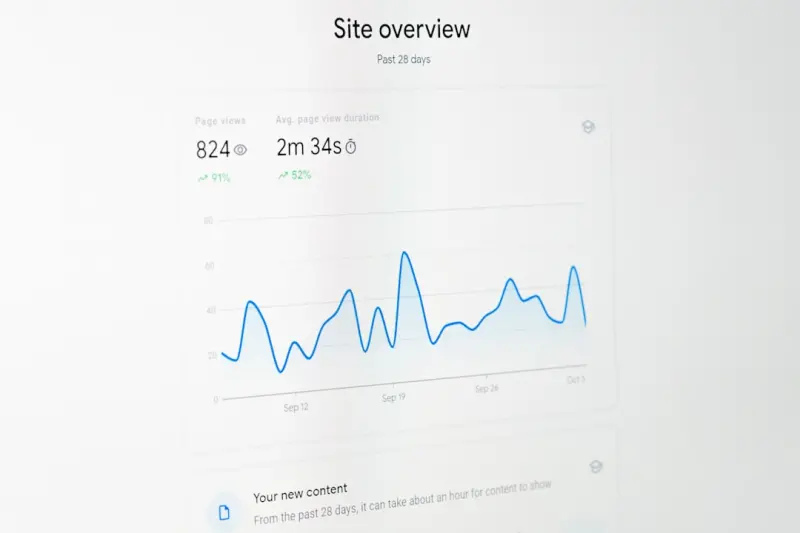
Traditional SEO KPIs—organic traffic and keyword rankings—are still useful, but they don’t fully capture the rapid, intent‑driven nature of micro‑moments. Add these to your dashboard:
- Zero‑Click Rate (ZCR): Percentage of impressions that result in a rich result without a click. A high ZCR indicates you’re successfully answering queries directly.
- Time‑to‑Answer (TTA): How quickly a user can locate the needed information after landing on the page.
- Micro‑Conversion Rate: The ratio of users who complete a micro‑action (e.g., downloading a cheat sheet) within 30 seconds of arrival.
- Voice Search Share: Portion of total organic sessions that originate from voice assistants.
Track these metrics with Google Search Console, Google Analytics 4, and a dedicated micro‑moment heatmap tool. Over time, you’ll see which content types dominate each micro‑moment stage and can double‑down accordingly.
Putting It All Together: A 30‑Day Playbook
Feeling overwhelmed? Here’s a bite‑size, actionable plan you can roll out in one month.
- Week 1 – Audit & Speed: Run a Core Web Vitals audit on your top 20 landing pages. Fix any LCP or CLS issues.
- Week 2 – Schema Sprint: Implement
FAQPage,HowTo, andSoftwareApplicationschemas on at least five high‑traffic pages. Test with Google’s Rich Results Test. - Week 3 – Content Micro‑Mapping: Identify 10 high‑intent micro‑moment keywords per the four categories. Draft concise, answer‑first content for each, using bullet lists and short videos.
- Week 4 – Voice & Visual: Optimize the newly created pages for natural language queries and add descriptive
alttags plusImageObjectschema for all visuals.
After the 30‑day sprint, revisit your micro‑moment metrics and iterate. The beauty of this approach is that every improvement compounds—faster pages boost rankings, better schema earns rich results, and richer content fuels higher conversion rates.
Future‑Proofing Your SEO Strategy
Micro‑moments are not a passing fad; they’re a symptom of an increasingly on‑demand, hyper‑connected world. As AI continues to personalize search results, the line between “search” and “conversation” blurs. By building a foundation that serves instant, intent‑driven answers, you position your SaaS brand to thrive in both today’s SERP landscape and tomorrow’s AI‑mediated discovery pathways.
Remember, the ultimate goal isn’t just to be found—it’s to be the first solution that solves a user’s problem in the split second they need it. When you master micro‑moments, you don’t just win traffic; you win trust, loyalty, and long‑term growth.

In the world of freelance writing, where creativity and adaptability are paramount, Michelle Fisher stands out as a dedicated and versatile professional. With a passion for crafting compelling narratives and a keen eye for detail, Michelle has established herself as a trusted voice.
Related Posts
Mastering the New SERP Landscape: From Snippets to AI Answers
A fresh take on SEO for the AI era: learn to win featured snippets, leverage visual search, and buil... Read More

Why Structured Data Is the Secret Weapon for B2B SaaS SEO
Structured data can transform how your SaaS product appears in search, delivering rich snippets, hig... Read More

Prompt‑First SEO: How Generative AI Is Rewriting the Rules of Search
A deep dive into the emerging “prompt‑first” SEO approach, showing how generative AI changes q... Read More
Top Posts

Google Maps Platform: Boosting B2B SaaS Field Ops
Learn why integrating Google Maps Platform is a game‑changer for B2B SaaS field operations, from route optimization and real‑time asset tracking to customer...Read More

Wanderlust Meets Innovation: Rethinking SaaS on the Road
Travel transforms SaaS thinking by exposing founders to real‑world problems, inspiring cross‑industry insights, and fostering empathy. Treat every journey a...Read More

Rediscovering the Romance of Regional Rail: A Journey Beyond the Airport
A fresh take on travel, this post invites readers to embrace regional rail, highlighting its environmental, cultural, and immersive advantages while offering pr...Read More

Podcast Networks: The Untapped B2B SaaS Growth Engine
A deep dive into why podcast networks are the next frontier for B2B SaaS marketing, complete with a step‑by‑step launch plan, measurement tactics, and integ...Read More
0 Comments
Post Comment
You will need to Login or Register to comment on this post!