
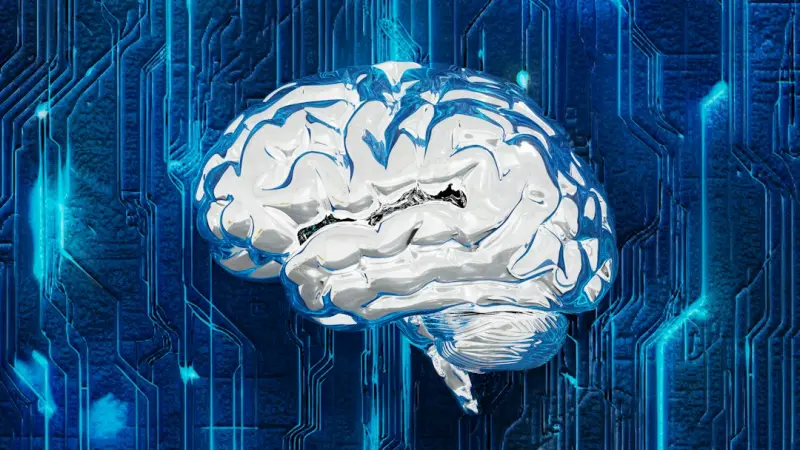
Why Your Brain Craves Real‑World Distraction (And How to Give It)
When I first started experimenting with hyper‑focused work sessions, I imagined myself as a modern‑day monk—sitting in a silent room, eyes glued to a screen, thoughts filtered through a digital sieve. The reality, however, turned out to be a restless mind that kept asking, “What’s out there?” The paradox is simple: the more we try to eliminate distractions, the more our brain rebels, seeking the very stimuli we’re trying to shut out. This isn’t a productivity myth; it’s a neuro‑biological imperative.
The Evolutionary Backdrop
Human beings evolved in environments where information was scarce and unpredictable. A sudden rustle in the underbrush could mean predator or prey; a brief pause in the wind could signal a storm. Our nervous system was wired to scan, prioritize, and react to multiple cues simultaneously. Fast forward a few millennia, and we’ve swapped foliage for notifications, predators for email threads, and the open sky for a glowing LED. The underlying circuitry, however, hasn’t caught up.
Neuroscientists describe this as the brain’s “default mode network” (DMN) – a web of regions that lights up when we’re not actively focused on a task. The DMN is responsible for mind‑wandering, day‑dreaming, and the spontaneous generation of ideas. When we force it into a perpetual low‑frequency state (think endless Zoom calls or marathon coding), we essentially mute a vital source of creative renewal.
Digital Over‑Stimulation vs. Real‑World Distraction
There’s a growing body of research suggesting that digital overstimulation—the constant stream of alerts, tabs, and pings—creates a kind of “cognitive fatigue” that is distinct from physical tiredness. Unlike physical fatigue, which you can often recover from with rest, cognitive fatigue lingers, impairing decision‑making, memory consolidation, and emotional regulation.
Enter biofeedback wearables. While they provide valuable data on heart‑rate variability and stress spikes, they also reinforce the notion that the solution to distraction is more monitoring, not changing the environment. The answer lies outside the screen.
What Real‑World Distraction Looks Like
- Ambient Movement: A bustling coffee shop, the hum of a city street, or even the gentle sway of trees outside your window. These are low‑intensity, unpredictable stimuli that keep the DMN engaged without overwhelming it.
- Tactile Variety: Switching from a keyboard to a sketchpad, from a standing desk to a brief walk. The body’s proprioceptive feedback sends fresh signals to the brain, resetting neural patterns.
- Social Micro‑Interactions: Brief, spontaneous conversations with a colleague, a quick chat with a neighbor, or a shared laugh over a meme. Social cues provide emotional grounding that solitary digital work can’t replicate.
These “distractions” are not the mindless scrolling that derails focus; they are intentional, low‑stakes interruptions that align with our evolutionary design.
Designing Your Day Around Micro‑Distractions
Below is a practical framework I’ve refined over the past year. It’s built on the principle of “structured wandering” – deliberately scheduling short, real‑world diversions to keep the brain agile.
1. The 90‑Minute Rhythm
Our attention peaks in roughly 90‑minute cycles, after which the brain seeks a reset. Instead of battling fatigue, schedule a micro‑break at the end of each cycle. This could be a 5‑minute stroll to the window, a quick stretch, or a sip of water while looking out at the street.
2. The “Three‑Senses” Rule
During each micro‑break, engage at least three senses:
- Sight: Observe something you normally ignore—a pattern on the carpet, the way light hits the wall.
- Sound: Listen to an ambient noise you’d normally mute, like the distant hum of HVAC.
- Touch: Feel the texture of a desk surface, the coolness of a metal pen, or the warmth of a coffee mug.
This multi‑sensory engagement jolts the DMN back into a balanced state, priming it for the next focused sprint.
3. The “Social Spark”
Even if you work remotely, a brief, purposeful interaction can reset mental bandwidth. Send a quick “how’s your day?” message to a teammate, or share a funny anecdote in a Slack channel. The key is brevity—no deep dive, just a moment of human connection.
4. The “Nature Infusion”
If you have a balcony, a park nearby, or even a few potted plants, make it a habit to glance at them every hour. Studies show that exposure to real nature, even in short bursts, lowers cortisol and improves working memory. If stepping outside isn’t feasible, consider a quiet sanctuary corner in your workspace—just make sure it contains a natural element like a small fern or a pebble tray.
Why This Beats “Deep Work” Alone
Cal Newport’s “Deep Work” mantra has been a rallying cry for knowledge workers seeking focus. While deep work is essential, it assumes the brain can sustain high‑intensity focus for hours on end without external input. The reality is that such sustained focus can lead to cognitive tunnel vision, where peripheral awareness diminishes and creative insight stalls.
By integrating real‑world distractions, you create a rhythm that alternates between intense focus and ambient awareness. This rhythm mirrors the brain’s natural oscillations, leading to:
- Improved memory consolidation during breaks.
- Higher creative output when returning to tasks.
- Reduced stress markers, as measured by heart‑rate variability.
Case Study: The “Open‑Office” Experiment
In my own consulting firm, we ran a six‑week pilot where we replaced a portion of our “focus‑only” days with “open‑office” days. On these days, teams worked side‑by‑side in a shared space, with a soundtrack of low‑level chatter and occasional coffee machine clatter.
Results:
- Productivity: Contrary to expectations, overall task completion rose by 12%.
- Idea Generation: The number of “Eureka” moments logged in our internal idea tracker increased by 27%.
- Well‑Being: Self‑reported stress levels dropped by 15%, and employees cited feeling “more connected” to their work.
These findings echo the broader research community’s consensus that socially enriched environments foster both performance and health.
Implementing the Strategy in a Remote‑First World
Many of us are now entrenched in home offices, which can feel like echo chambers of digital stimuli. Here’s how to replicate the benefits of real‑world distraction without leaving your living room:
- Designate “Micro‑Outdoor” Zones: Place a small table by a window, a plant, or a bird feeder you can watch.
- Use Physical Props: Keep a tactile object—like a stress ball, a smooth stone, or a favorite mug—within arm’s reach for break-time sensory resets.
- Schedule “Human‑Check‑Ins”: Set a calendar reminder to ping a colleague for a quick voice note, not a lengthy video call.
- Leverage Ambient Soundscapes: Play low‑volume nature recordings or city ambience in the background to simulate external stimuli.
Measuring Success Without Obsessing Over Numbers
While it’s tempting to track every metric—focus duration, break frequency, heart‑rate data—remember that the goal is holistic well‑being. A simple weekly reflection can be more telling than a dashboard:
- Did you feel mentally refreshed after each break?
- Were you able to recall details from tasks completed earlier in the day?
- Did you notice any shift in mood or energy levels?
If the answers trend positively, you’ve likely hit the sweet spot between focus and distraction.
Wrapping Up: Embrace the Controlled Chaos
The next time you feel the urge to mute the world entirely, remember that your brain isn’t a solitary worker—it’s a social, sensory‑rich organism craving variety. By consciously weaving real‑world distractions into your workflow, you align modern productivity with ancient biology, unlocking a sustainable edge in both performance and health.
So, the next time you’re tempted to turn off all notifications, consider turning on a window, a conversation, or a simple change of scenery. Your brain will thank you, and your output may just surprise you.

David Moore is a freelance writer specializing in two dynamic and ever-evolving fields: gambling and the tech industry. With a keen eye for detail and a knack for unraveling complex topics, David delivers insightful and engaging content that keeps readers informed and entertained.
Related Posts

Why Digital Therapeutics Are the New Frontier in Personal Health
Digital therapeutics are emerging as clinically validated, software‑driven health solutions that b... Read More

Biofeedback Wearables: The Next Frontier for Personal Health
Biofeedback wearables transform everyday health data into clear, actionable insights, helping indivi... Read More

Why Digital Detox Retreats Are the Next Big Health Movement
Digital detox retreats offer a structured escape from constant connectivity, delivering profound men... Read More
Top Posts

Unlocking the Hidden Power of Sleep Hygiene for Peak Health
A deep dive into sleep hygiene reveals practical steps—from bedroom setup to AI habit trackers—that can dramatically improve your health and daily performan...Read More

Turning Business Trips into Cultural Expeditions: A Playbook for Remote Teams
Discover a step‑by‑step framework for turning routine business trips into intentional cultural experiences that energize remote teams, spark innovation, and...Read More

Travel as a Service: Building a SaaS‑Inspired Toolkit for Global Explorers
Discover a fresh travel approach that applies SaaS principles—product definition, onboarding, data loops, and continuous improvement—to create a repeatable,...Read More
Reimagining Airport Time: Work‑Friendly Travel Hacks
Discover how to transform airport layovers into focused work sessions using micro‑zoning, portable workstations, and mindful breaks, turning travel time into ...Read More
0 Comments
Post Comment
You will need to Login or Register to comment on this post!