

Why Biofeedback Wearables Are Changing the Health Landscape
Imagine a world where your smartwatch doesn’t just count steps, but actively guides you toward better sleep, sharper focus, and a calmer nervous system. That world is already emerging, thanks to the convergence of biofeedback technology, advanced sensors, and intelligent data processing. In the past few months, a wave of new devices—ranging from discreet skin‑adhesive patches to sleek wrist‑bands—has begun to democratize what was once the domain of clinical labs. The result? Real‑time, personalized health insights that empower anyone to make smarter choices throughout the day.
The Science Behind Biofeedback: From Theory to Everyday Use
Biofeedback isn’t a new concept; it’s been a staple of clinical psychology and physiotherapy for decades. The core idea is simple: measure a physiological signal, present it to the user, and let the user learn to modulate that signal voluntarily. Modern wearables have taken this paradigm and turned it into a seamless, data‑rich experience:
- Heart‑rate variability (HRV)—a reliable indicator of autonomic balance—can now be tracked continuously, allowing users to see the direct impact of breathing exercises, posture changes, or stressors.
- Electrodermal activity (EDA) captures subtle changes in skin conductance that correspond to emotional arousal, giving a window into stress spikes that might otherwise go unnoticed.
- Respiratory rate and patterns are monitored with optical sensors, letting you notice shallow breathing before it becomes a habit.
When these streams are combined, the resulting picture is richer than any single metric could provide. The key challenge—and opportunity—is turning that raw data into actionable insight without overwhelming the user.
From Raw Data to Actionable Insight
Data alone is noise. The real power lies in the interpretation layer that translates numbers into recommendations. This is where artificial intelligence and advanced analytics step in. For example, a platform that turns data chaos into strategic clarity can identify patterns across heart‑rate, skin conductance, and activity levels to suggest precise moments for a micro‑break, a deep‑breathing session, or a short walk.
One emerging approach is interactive data storytelling. By visualizing health metrics as narrative arcs—complete with peaks (stress events) and troughs (recovery periods)—users can intuitively grasp their own rhythms. A recent case study showed that when users could “see” their stress curve unfold over a week, adherence to calming interventions rose by 40%. The same principle that fuels compelling B2B narratives can be repurposed for personal health, turning abstract numbers into a story you care about.
Practical Ways to Leverage Biofeedback Today
Below are five concrete steps you can take right now, regardless of whether you own the latest patch‑sized sensor or a conventional smartwatch:
- Start with One Metric—Pick a single physiological signal (HRV is a great starter) and track it consistently for a week. Use the baseline to spot deviations.
- Set Micro‑Goals—Instead of vague “reduce stress” goals, aim for measurable targets like “increase nightly HRV by 5% over the next 14 days.”
- Integrate Real‑Time Feedback—Enable haptic or visual alerts when the device detects a stress spike. A gentle vibration can prompt a 30‑second breathing exercise before the tension escalates.
- Use Narrative Visuals—Leverage apps that turn data into story‑like dashboards. When you can see a “recovery arc” after a meeting, you’ll be more motivated to repeat the effective behaviors.
- Iterate and Personalize—Review weekly trends, adjust your micro‑goals, and experiment with different interventions (e.g., posture changes, ambient lighting adjustments). The system learns from each iteration, becoming more precise over time.
How Organizations Can Support Biofeedback Adoption
While individual enthusiasm drives early adoption, broader impact emerges when companies embed biofeedback into workplace wellness programs. Here’s a roadmap for forward‑thinking organizations:
- Provide Device Subsidies—Offer a stipend or bulk‑purchase discounts for employees to acquire reliable wearables.
- Integrate with Existing Health Platforms—Connect data streams to corporate wellness dashboards, ensuring privacy through anonymized aggregation.
- Educate Through Storytelling—Run workshops that teach employees how to interpret their metrics, using interactive data storytelling techniques to make the numbers relatable.
- Encourage Micro‑Interventions—Set up “calm stations” with ambient lighting and soundscapes where employees can respond to a stress alert in a dedicated space.
- Measure ROI on Health Outcomes—Track aggregate improvements in absenteeism, reported stress levels, and productivity to justify continued investment.
Addressing Common Concerns
As with any emerging technology, skepticism is natural. Below are the top three concerns and why they’re less daunting than they seem:
- Privacy—Modern wearables employ end‑to‑end encryption, and most reputable platforms give users full control over data sharing. Opt‑in models ensure that only aggregate, anonymized data leaves the device.
- Accuracy—While no consumer sensor rivals a clinical lab, the trends they capture are sufficiently reliable for day‑to‑day decision‑making. Calibration routines and cross‑referencing with multiple metrics improve confidence.
- Information Overload—Effective platforms prioritize actionable alerts over raw streams. By using AI‑driven summarization, users receive concise guidance rather than a flood of numbers.
The Future: From Reactive to Proactive Health Management
We are on the cusp of a shift from reactive healthcare—where we seek treatment after symptoms appear—to proactive health maintenance powered by continuous biofeedback. Imagine waking up to a personalized “recovery score” that informs you whether to schedule a light workout, a meditation session, or a full‑day rest. As sensor fidelity improves and AI models become more nuanced, these scores will incorporate not just physiological data but also contextual cues like ambient temperature, workload, and even calendar events.
In the long term, the integration of biofeedback with other emerging trends—such as digital therapeutics, personalized nutrition, and even AI‑driven mental‑health chatbots—will create a holistic health ecosystem. The result will be a feedback loop where your body, your environment, and your digital assistants collaborate to keep you operating at your best.
Takeaway
Biofeedback wearables are no longer a niche gadget for athletes; they are fast becoming essential tools for anyone who wants to understand and optimize their own physiology. By embracing the data, translating it into narratives, and taking micro‑actionable steps, you can turn everyday stressors into opportunities for growth. The technology is ready—what’s left is your willingness to listen to the subtle signals your body is already sending.

Dale Peterson is a freelance writer with a passion for technology, travel, law and personal finance. With 10 years of experience crafting compelling and informative content, he's dedicated to delivering high-quality writing for Blogging Fusion that engages audiences and achieves specific goals.
Related Posts

Reclaiming Your Brain: A Practical Blueprint for Digital Detox
A detailed guide shows how to map your digital habits, set signal‑to‑noise goals, create deviceâ... Read More

The Silent Power of Structured Breathing for Remote‑Work Health
Structured breathing is a low‑tech, high‑impact habit that remote professionals can adopt to low... Read More
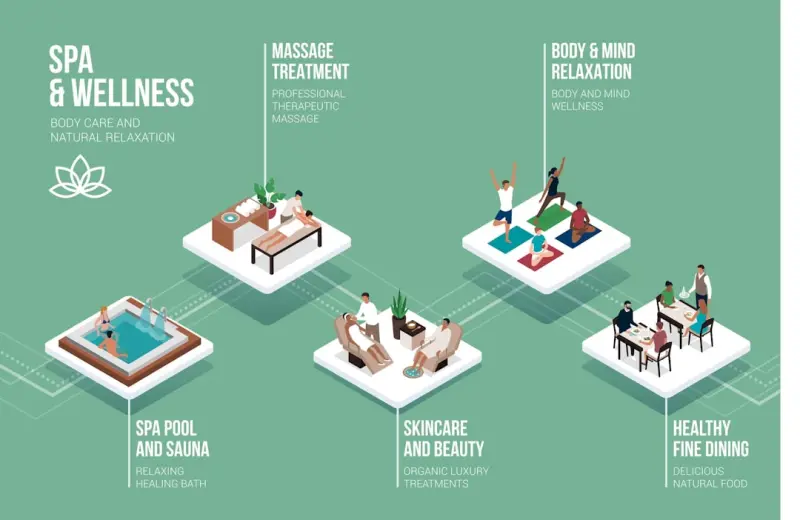
Reclaiming Wellness: A Digital Reset for Modern Health
Explore a fresh approach to health in our hyper‑connected world, covering digital stress, smart da... Read More
Top Posts

From Idea Fog to Product Roadmap: How AI Clarifies SaaS Innovation
A deep dive into using AI to sift through unstructured user feedback, quantify impact, and generate concrete product roadmaps, turning vague ideas into revenueâ...Read More
Community‑First Marketing: Turning Customers into Co‑Creators
A fresh look at marketing that shifts focus from funnel tactics to building a thriving community where customers co‑create, share insights, and become powerfu...Read More

Riding Google’s AI Wave: A Marketer’s Perspective on Innovation and Authenticity
Explore the balance between data‑driven insights and genuine storytelling as marketers navigate Google’s AI evolution, turning uncertainty into strategic ad...Read More

Beyond the Desk: Mastering the Digital Nomad Hub Experience
Explore the art of selecting and thriving in digital nomad hubs, from community building to sustainable routines, and future‑proof your remote work lifestyle....Read More
0 Comments
Post Comment
You will need to Login or Register to comment on this post!