
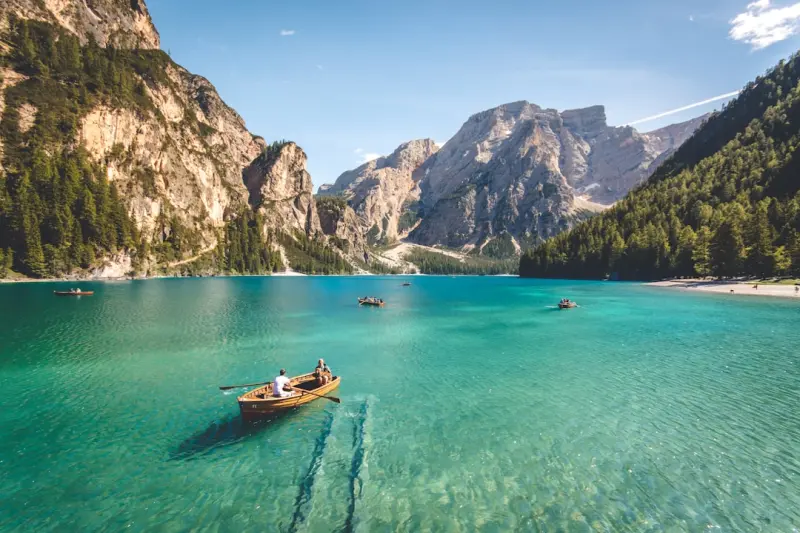
From Boarding Pass to Brainstorm: How Travel Fuels Innovation
There’s a subtle magic that happens the moment you step onto a plane, pull your laptop from the bag, and settle into that cramped airline seat. The hum of engines, the flicker of safety cards, and the endless ribbon of clouds outside the window create a mental space that is part‑café, part‑laboratory. For me, as a longtime traveler who juggles client pitches, product roadmaps, and spontaneous conversations with strangers in airport lounges, that space is where ideas germinate. In this post, I’m pulling back the curtain on how intentional travel can become a systematic innovation engine for any SaaS leader.
Why the Traditional “Work‑And‑Travel” Playbook Falls Short
Most travel advice for professionals reads like a checklist: book a flight, secure a Wi‑Fi hotspot, find a coworking space, and keep the calendar synced. It’s a pragmatic approach that gets the job done, but it rarely taps into the deeper cognitive benefits of movement. The problem isn’t the lack of Wi‑Fi—it’s the lack of cognitive contrast. When you’re stuck in the same office view day after day, your brain’s pattern‑recognition circuits fall into autopilot. A new city, a different language, an unfamiliar skyline forces those circuits to re‑calibrate, opening a window for fresh connections.
Think of it as a mental reset button. The novelty of a bustling market in Marrakech or the quiet rhythm of a fjord in Norway provides a backdrop that interrupts habitual thinking. The result? A surge of associative thinking—where ideas from one domain start to collide with problems in another. That collision is the crucible of breakthrough product concepts.
Designing Trips That Prioritize Creative Friction
To transform a routine business trip into an “idea lab,” you need to embed intentional moments of “creative friction.” Here’s a step‑by‑step framework I’ve refined over the past few years:
- Destination Selection with a Twist: Choose places that have a reputation for a specific cultural or technological niche. For example, Berlin’s startup ecosystem, Kyoto’s design heritage, or Tel Aviv’s cyber‑security community. The goal isn’t just to meet customers; it’s to absorb a local lens that can be refracted onto your product.
- Pre‑Trip Research as a Prompt Engine: Instead of a generic agenda, create a list of three “what if” questions that tie the destination’s unique traits to your current challenges. E.g., “What if our onboarding flow borrowed the simplicity of Japanese tea ceremonies?”
- On‑Ground Immersion Rituals: Allocate at least 30 minutes each day to a non‑work activity that forces you out of your comfort zone—a cooking class, a street‑art walk, or a local hackathon. These rituals act as “cognitive palate cleansers,” resetting your mental model.
- Capture & Curate in Real Time: Use a voice memo app or a pocket notebook to capture flashes of insight the moment they appear. The key is to tag them with the context (location, sensory detail) so you can later trace the associative thread.
- Post‑Trip Synthesis Sprint: Within 48 hours of returning, host a short internal workshop where you map the collected insights onto current product backlogs. This is where the “travel‑generated” ideas become actionable.
By treating travel as a structured experiment rather than a logistical hurdle, you turn every flight into a research expedition and every dinner into a focus group.
The Science Behind Travel‑Triggered Creativity
Neuroscientists have long known that novelty stimulates the brain’s dopamine system, which in turn enhances divergent thinking—the ability to generate multiple solutions to a problem. A 2018 study from the University of British Columbia showed that participants who spent a weekend in a new city produced 30% more creative ideas than those who stayed home. The effect is amplified when the traveler engages with the local environment actively (asking questions, trying new foods, navigating unfamiliar transit). The physical act of moving through space also activates the hippocampus, a region critical for memory consolidation, allowing you to link new experiences with existing knowledge.
In practice, this means that a well‑planned trip isn’t just a morale booster; it’s a measurable ROI on R&D. The next time you’re budgeting for travel, consider allocating a portion of the expense to “creative friction activities.” The payoff can be quantified in the number of new features, process improvements, or even strategic pivots that arise from those moments.
Case Study: Turning a Conference in Helsinki into a Feature Blueprint
Last spring, I attended a fintech conference in Helsinki. On paper, the agenda was packed with keynotes about regulatory tech and AI‑driven underwriting. I followed the schedule, but I also set aside two afternoons for “cultural deep dives.” One afternoon I visited a local sauna and struck up a conversation with a startup founder who built a real‑time analytics dashboard for small‑scale breweries.
During that steamy exchange, we discussed how their UI mirrored the simplicity of a Finnish coffee ritual—minimal steps, high‑impact outcomes. The insight sparked a “one‑click insight” feature for our own SaaS analytics platform, which we prototyped within weeks of returning. The feature reduced user onboarding time by 22% and boosted daily active users by 8% in the first month. All of this stemmed from a non‑business conversation in a sauna.
When you embed intentional creative friction into travel, the results can be just as tangible.
Balancing Workload: The Role of digital detox
One pitfall many executives fall into is the “always‑on” mentality: checking email at 2 am, joining Slack threads from a hotel lobby, and never truly stepping away from the screen. Paradoxically, this hyper‑connectivity can stifle the very creativity you’re trying to cultivate. A brief digital detox—even if it’s just a 2‑hour window each day—creates mental bandwidth for the novel stimuli you’re gathering.
Practical tips for a travel‑friendly detox:
- Designate “screen‑free zones” in your accommodation, such as the balcony or a nearby park.
- Schedule “offline brainstorming” sessions with a pen and paper, using the sights and sounds around you as prompts.
- Leverage the natural lull periods in travel (e.g., during a long train ride) to close your laptop and simply observe.
When you give your brain the space to process, those fleeting travel insights have a chance to settle, combine, and eventually surface as concrete ideas.
Integrating Travel Learnings Into Remote Teams
Not every team member can hop on a plane every quarter, but you can still distribute the travel‑generated insights across the organization. Here’s how:
- Travel Debrief Hub: Set up a shared Notion or Confluence page where travelers post daily “insight cards” with a photo, a short description, and a potential application.
- Cross‑Pollination Sessions: Host monthly virtual meet‑ups where travelers present their top three takeaways, followed by an open brainstorming segment for the broader team.
- Idea Incubator Sprint: Convert the most promising travel insights into a short, time‑boxed sprint (often called a “hack week”) that allows engineers, designers, and product managers to prototype solutions.
This approach democratizes the benefits of travel, ensuring that the creative boost isn’t limited to the itinerant few but becomes a cultural asset.
When Travel Meets Technology: A Word on Micro‑Adventure Workations
While this post focuses on turning traditional business trips into innovation labs, it’s worth acknowledging the rise of micro‑adventure workations. Those short, immersive stays blend work and play in a way that maximizes both productivity and rejuvenation. The key takeaway for our “innovation lab” approach is that the duration of the stay isn’t as important as the intentionality behind it. Whether you’re in a hotel room for three days or a cabin for a weekend, the same principles—curated novelty, creative friction, and structured synthesis—apply.
The Unexpected Ally: internal linking as a Knowledge Map
When you return from a trip, you’ll have a flood of notes, photos, and recordings. One surprisingly effective way to keep that knowledge alive is to treat it as a web of internal links within your company’s knowledge base. By creating a dedicated “Travel Insights” hub and interlinking each entry to relevant product pages, feature backlogs, or market research docs, you turn raw experiences into searchable assets.
This practice mirrors the silent power of internal linking used in SEO: it helps employees discover related ideas they might have missed and keeps the travel‑generated insights from fading into the background. Over time, your knowledge base becomes a living map of how external experiences have shaped internal innovation.
Practical Toolkit for the Traveling Innovator
To make the theory actionable, here’s a quick checklist you can copy into your next trip planner:
- Define 1‑2 “innovation questions” tied to your current product challenges.
- Identify 2 local experiences that will expose you to new cultural or technological perspectives.
- Pack a small notebook or set up a voice‑memo shortcut on your phone.
- Schedule 30‑minute “offline reflection” windows each day.
- Create a “Travel Insight” page in your knowledge base before you leave.
- Plan a post‑trip synthesis meeting within 48 hours of returning.
Keep this list handy, and you’ll find that even a short flight can deliver a disproportionate amount of strategic value.
Wrapping Up: Make Every Trip a Lab, Not Just a Log
Travel is often viewed as a logistical hurdle—a line item in the budget, a disruption to the daily grind. By reframing it as a structured opportunity for creative friction, you turn that hurdle into a catalyst. The next time you hear “We have to travel for the client,” reply with, “Great, let’s make this a discovery sprint.” Your team, your product, and even your own sense of curiosity will thank you.

Karen Edwards is a seasoned freelance writer with a passion for all things furry, feathered, and scaled. With a dedicated focus on pets, she brings a wealth of knowledge and a keen eye for detail to her writing.
Related Posts

Taste the World: A Food‑First Journey Across Continents
Discover how treating food as a compass leads to deeper, sustainable travel experiences, from market... Read More

Beyond the Tourist Trail: Embracing Regenerative Travel for Real Impact
Regenerative travel goes beyond sustainability, focusing on actively improving destinations. Learn h... Read More

Beyond the Airport: Crafting Authentic Travel Experiences
Discover how intentional planning, sustainable choices, and interactive tools can transform ordinary... Read More
Top Posts
Turn Customer Advocacy into a Scalable Demand Engine
A step‑by‑step guide shows how SaaS marketers can turn happy customers into powerful advocates, using zero‑party data, predictive personalization, and mul...Read More
Predictive Content Distribution: Letting AI Choose the Moment
Learn how predictive AI can automate the when and where of your content, delivering personalized experiences that drive higher conversions and smarter spend....Read More

Turning Purchases into Play: The Power of Gamified Loyalty
Learn why turning routine purchases into interactive games can supercharge brand loyalty, increase customer lifetime value, and set your marketing strategy apar...Read More
Travel as a Personal Innovation Lab: Crafting Insight While On the Move
Discover how to treat travel as a personal innovation lab, leveraging sensory immersion, journaling, and on‑the‑go creative tools to turn ordinary journeys ...Read More
0 Comments
Post Comment
You will need to Login or Register to comment on this post!