
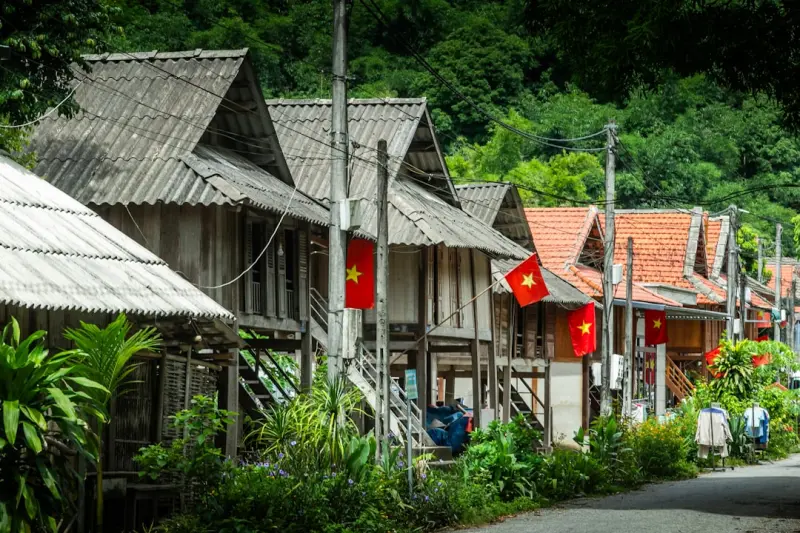
Introduction: From Vacation Mode to Living Mode
When I first swapped my cramped apartment for a seaside bungalow in Porto, the shift felt like stepping into a new genre of travel. I wasn’t just ticking off a destination; I was signing up for a lifestyle that blends work, community, and exploration into one seamless rhythm. This isn’t the “tourist‑in‑town” model that fills guidebooks. It’s a growing movement of digital‑nomad villages—purpose‑built neighborhoods that let professionals live, work, and thrive wherever they choose.
Why Traditional Travel Models No Longer Fit the Modern Professional
For decades, travel advice revolved around “must‑see sights” and “quick‑escape itineraries.” The typical itinerary still reads like a checklist: flight, hotel, museum, restaurant. But for remote workers, freelancers, and creative entrepreneurs, the constraints of a short stay—unreliable Wi‑Fi, lack of coworking spaces, and an absence of community—can turn a dream vacation into a productivity nightmare.
Today’s professionals crave:
- Reliable, high‑speed internet that can handle video calls and large file transfers.
- Dedicated workspaces that foster focus without the sterile feel of a hotel desk.
- Social infrastructure—events, meet‑ups, and shared meals that prevent isolation.
- Affordable, flexible housing that feels like home rather than a transient hotel room.
Enter digital‑nomad villages: ecosystems designed from the ground up to meet these exact needs.
What Exactly Is a Digital‑Nomad Village?
A digital‑nomad village is more than a coworking hub tucked into a café. It’s a holistic community where the built environment, local policies, and cultural programming align to support remote work as a permanent lifestyle. Think of it as a small town that has intentionally upgraded its infrastructure to attract a global talent pool.
Key characteristics include:
- Mixed‑use developments—co‑living apartments above coworking floors, with communal kitchens, gyms, and rooftop terraces.
- Government incentives such as special visas, tax breaks, and streamlined residency processes for remote workers.
- Curated community events ranging from tech meet‑ups to language exchange nights, fostering both professional networking and personal friendships.
- Local integration—partnerships with nearby businesses that give nomads authentic experiences while supporting the host economy.
Case Studies: Villages That Are Already Making Waves
Below are three standout examples that illustrate the diversity of this emerging trend.
1. Lisbon’s “Nomad Loft” District
Lisbon’s historic Alfama quarter has been revitalized with a cluster of refurbished lofts that double as coworking spaces. The city’s “Tech Visa” grants 12‑month stays for freelancers, and the lofts feature panoramic river views, high‑speed fiber, and weekly “Hack & Happen” nights where locals and nomads collaborate on community projects.
2. Medellín’s “Co‑Living Canyon” Initiative
In the heart of Colombia’s “Valle de Aburrá,” the municipality partnered with a private developer to create a low‑cost co‑living complex. Residents enjoy rooftop gardens, a shared maker’s lab, and a bilingual “Café de Conexión” that doubles as a pop‑up event space. The program’s success lies in its emphasis on cultural immersion—nomads learn Spanish through community cooking classes and local festivals.
3. Bali’s “Ubud Remote Village”
Ubud’s lush rice paddies now surround a network of eco‑friendly bamboo cabins equipped with solar panels and satellite internet. What sets this village apart is its focus on wellness: daily yoga, meditation pods, and a “Digital Detox” hour each evening where screens are swapped for board games and storytelling circles.
Choosing the Right Village for Your Lifestyle
Not every village will suit every personality. Here’s a quick self‑assessment to help you decide:
- Urban vs. Rural: Do you thrive in bustling city vibes (think Lisbon) or prefer serene, nature‑filled settings (like Bali)?
- Community Size: Smaller villages foster close‑knit relationships, while larger hubs offer a broader network of professionals.
- Cost of Living: Budget‑conscious travelers might gravitate toward Medellín’s affordable rates, whereas those seeking premium amenities may opt for Lisbon’s lofts.
- Language Barriers: Some villages offer multilingual support; others expect you to dive into the local tongue.
Once you’ve identified your priorities, research visa requirements, internet reliability, and local healthcare options. A handy checklist can save you weeks of frustration later.
Tools & Tech That Make Village Living Seamless
Even the best‑designed village can feel limiting without the right digital toolbox. Here are my go‑to tools that keep me productive while I soak in a sunrise over the Atlantic.
- Unified Communication Suites—Platforms like Google Workspace provide real‑time collaboration without the need for local IT support.
- Secure Cloud Storage—Encrypt your data with providers that offer edge‑level security, ensuring you stay compliant with home‑country regulations.
- Virtual Private Networks (VPNs)—A reliable VPN protects your work from public Wi‑Fi risks and gives you access to region‑locked resources.
- Community Apps—Many villages run their own Slack or Discord channels; joining them early helps you plug into events and housing swaps.
These tools create a safety net that lets you focus on the experience rather than the logistics.
Building Your Own Narrative: From Data to Storytelling
One of the most rewarding aspects of living in a digital‑nomad village is the ability to craft a narrative around your journey. Whether you’re a content creator, a consultant, or an entrepreneur, your daily life becomes a series of micro‑stories that can be repurposed for blogs, newsletters, or client proposals.
Start by tracking three simple metrics each week:
- Connection Hours—How many meaningful professional conversations did you have?
- Local Experiences—What cultural activity did you try?
- Productivity Peaks—When did you feel most focused, and why?
At the end of the month, weave these data points into a narrative that highlights growth, adaptability, and cultural fluency. This approach not only showcases your personal brand but also provides tangible proof of the village’s impact on your work.
Economic Impact: How Villages Boost Host Cities
When remote workers settle into a village, they inject steady revenue into local economies—far beyond the occasional tourist spend. Here’s how:
- Long‑Term Housing Demand: Developers receive predictable occupancy rates, encouraging further investment in infrastructure.
- Service Industry Growth: Cafés, gyms, and laundromats see consistent patronage, prompting job creation.
- Knowledge Transfer: Nomads often host workshops, sharing skills in tech, design, or marketing that elevate the local talent pool.
This symbiotic relationship creates a win‑win: the village flourishes, and the city gains a vibrant, international community.
Challenges to Watch Out For
No ecosystem is flawless. Some pitfalls include:
- Gentrification Risks: Influx of higher‑earning remote workers can inflate rents, displacing long‑time residents.
- Regulatory Uncertainty: Visa policies can shift overnight, leaving nomads in a legal gray area.
- Community Burnout: Over‑programming can erode the organic feel that makes these villages special.
Stay informed, engage with local advocacy groups, and prioritize sustainable practices to mitigate these concerns.
Future Outlook: The Next Wave of Nomad Hubs
As more governments recognize the economic upside, we’ll likely see a surge in purpose‑built villages across emerging markets—think Nairobi’s “Savanna Tech Camp” or Chiang Mai’s “Riverfront Remote Resort.” The next decade could see a global network of interoperable villages, each offering a unique cultural flavor but sharing standards for internet, housing, and community governance.
Imagine a nomad passport that grants you seamless access to any certified village, with a single digital identity that handles visas, insurance, and coworking memberships. The technology to make this a reality is already in development, and it will reshape how we think about borders, work, and play.
Conclusion: Embrace the Village, Redefine Your Journey
Travel has always been about discovery, but today the discovery extends to how we live while we explore. Digital‑nomad villages aren’t just a trend; they’re a structural shift toward a more fluid, community‑centric way of working. By choosing a village that aligns with your values, leveraging the right tech stack, and turning everyday moments into compelling stories, you can transform a simple trip into a sustainable, career‑enhancing adventure.
If you’re ready to step out of the hotel lobby and into a community that fuels both your professional and personal growth, the next village is waiting just a flight away.

In the world of freelance writing, where creativity and adaptability are paramount, Michelle Fisher stands out as a dedicated and versatile professional. With a passion for crafting compelling narratives and a keen eye for detail, Michelle has established herself as a trusted voice.
Related Posts

Hybrid Work Retreats: Redefining How We Travel and Produce
Hybrid work retreats merge high‑speed connectivity, curated local experiences, and purposeful coll... Read More

Travel Light, Live Large: A Curious Explorer’s Guide
Rose DesRochers shares a fresh perspective on traveling light—beyond packing—focusing on curiosi... Read More

Your Travel Playlist: Curating Adventures Like a Living Mixtape
Travel isn’t just a checklist; it’s a living mixtape of sights, sounds, flavors, and spontaneous... Read More
Top Posts

The Nomadic Capsule: A Ten‑Piece Wardrobe That Powers Global Exploration
A ten‑piece capsule wardrobe frees mental space, cuts luggage weight, and aligns with sustainable travel, empowering wanderers to focus on experiences rather ...Read More

Zero‑Party Data: The Trust Engine B2B Marketers Have Been Waiting For
Zero‑party data, the information customers willingly share, is reshaping B2B marketing. Learn how to capture, leverage, and secure this data to build trust, p...Read More

Micro‑Movements: Tiny Physical Hacks to Boost Office Health
Micro‑movements—brief, intentional motions performed throughout the workday—offer a powerful, science‑backed way to counteract sedentary office life, bo...Read More

Ambient Computing: The Silent Revolution Shaping Everyday Life
Ambient computing embeds sensors and AI into our surroundings, turning spaces into proactive assistants that anticipate needs, enhance convenience, and unlock n...Read More
0 Comments
Post Comment
You will need to Login or Register to comment on this post!