
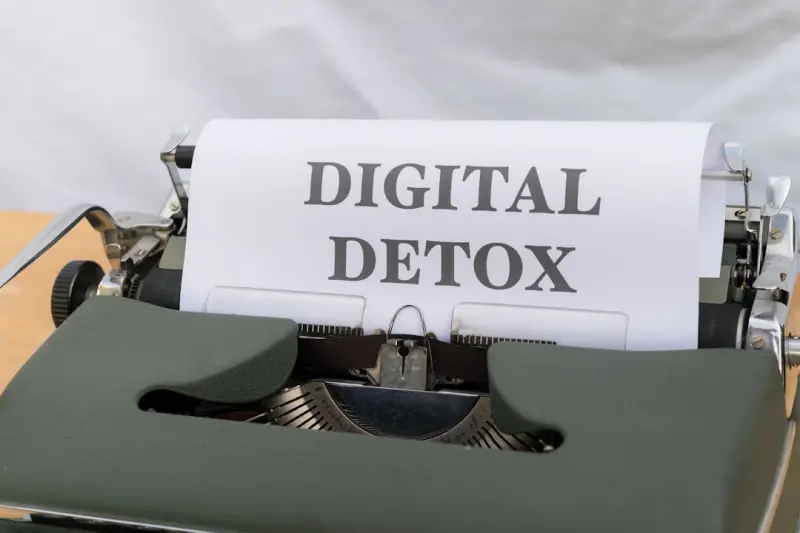
In a world where the ping of a notification feels as natural as breathing, the line between work and rest has blurred into a perpetual digital hum. As knowledge workers, we’ve built our careers on screens, but the very tools that power our productivity can also sap our energy, blur our focus, and erode our well‑being. This isn’t a fleeting fad—it's a systemic challenge that demands a conscious, data‑driven approach to reclaiming our mental bandwidth and physical vitality.
The Quiet Crisis of Digital Overload
When we talk about “digital overload,” we’re not just describing an inbox full of unread emails. It’s a cascade of stimuli: endless Slack threads, relentless Zoom meetings, algorithm‑driven news feeds, and the ever‑present lure of social media. Each interruption nudges our brain out of a state of deep work, forcing us to constantly re‑orient and re‑engage. The physiological cost? Elevated cortisol, disrupted sleep cycles, eye strain, and a subtle but steady decline in cognitive stamina.
Research shows that multitasking—especially across digital platforms—can reduce productivity by up to 40% and increase error rates. More insidiously, the constant low‑level stress can contribute to burnout, a condition now recognized by the World Health Organization as an occupational phenomenon.
Why a Digital Detox Is Not a Luxury, But a Necessity
A digital detox isn’t about abandoning technology; it’s about establishing intentional boundaries that protect our neuro‑chemical equilibrium. Think of it as a form of preventive medicine—one that restores focus, enhances creativity, and safeguards long‑term health. The benefits are measurable:
- Improved Attention Span: Reducing screen interruptions can increase sustained attention by 25% after just one week.
- Better Sleep Quality: Limiting blue‑light exposure in the evening aligns melatonin production, leading to deeper, more restorative sleep.
- Reduced Physical Ailments: Ergonomic strain, neck pain, and eye fatigue drop dramatically when we schedule regular periods of visual and postural rest.
The Science Behind Rewiring Your Digital Habits
Our brains are wired for novelty. Each notification triggers a dopamine spike, reinforcing the habit loop of checking devices. To break this loop, we must replace the reward with a healthier alternative that still satisfies our need for achievement and connection.
One effective strategy is to use decision intelligence—the practice of turning data into actionable insights—to monitor our own usage patterns. By quantifying when we’re most vulnerable to distraction (e.g., after lunch or during the late afternoon slump), we can schedule focused “offline” windows that align with our natural energy rhythms.
Practical Steps to Initiate Your Digital Detox
Below is a step‑by‑step framework that can be adopted individually or at the team level. The goal is to create sustainable habits, not a one‑off experiment.
- Audit Your Digital Landscape
Map out the apps, platforms, and devices you interact with daily. Use built‑in analytics (screen time reports, browser history) or third‑party tools to capture usage data for a week. - Define Your “Off‑Limits” Zones
Identify specific times and spaces where devices are prohibited. Common choices include the first hour after waking, meals, and the bedroom. - Implement “Micro‑Disconnects”
Every 90 minutes, step away from the screen for a 5‑minute pause. Unlike the structured micro‑breaks that focus on stretching or eye exercises, micro‑disconnects are about mental reset—closing your laptop, turning off notifications, and simply breathing. - Leverage “Focus Sprints”
Adopt the Pomodoro technique (25 minutes of deep work followed by a 5‑minute break). During sprints, activate “Do Not Disturb” modes and block distracting sites. - Curate Your Information Flow
Unsubscribe from non‑essential newsletters, mute low‑priority channels, and batch‑process email at set times (e.g., 9 am, 1 pm, 4 pm). - Replace Screen Time with Analog Activities
Schedule short walks, handwritten brainstorming sessions, or quick desk‑side stretches. These analog interludes reinforce the habit of non‑screen engagement. - Reflect and Iterate
At the end of each week, review your usage metrics. Identify patterns of relapse and adjust boundaries accordingly. Continuous improvement is key.
Integrating Movement Without Repeating Micro‑Breaks
Physical activity is a cornerstone of any detox plan, yet it often gets conflated with the micro‑break concept already explored in our previous content. The distinction lies in the intensity and purpose. While micro‑breaks target eye health and posture, intentional movement sessions aim to raise heart rate, boost circulation, and stimulate neurogenesis.
Consider the following options:
- Desk‑Based Cardio: 30 seconds of high‑knees or jumping jacks between tasks.
- Standing Meetings: Convert one weekly meeting to a standing format to encourage natural movement.
- Mid‑Day Power Walks: A brisk 10‑minute walk outside can reset circadian rhythms and improve mood.
Using Data to Personalize Your Detox
Just as SaaS platforms leverage analytics to optimize user experiences, you can apply a similar lens to your own behavior. By integrating data from wearables (heart rate, step count) with screen‑time reports, you create a feedback loop that highlights the correlation between prolonged device use and physiological stress markers.
Set thresholds—e.g., “If my heart rate remains elevated for more than 15 minutes after a screen session, initiate a 10‑minute walk.” Over time, these data‑driven triggers become automatic, reducing reliance on willpower alone.
Fostering a Culture of Healthy Connectivity
Individual effort is powerful, but the ripple effect multiplies when an organization embraces a detox‑first mindset. Leaders can model behavior by:
- Scheduling “no‑meeting” days to provide uninterrupted focus periods.
- Encouraging teams to set collective “quiet hours” where Slack channels are muted.
- Providing resources—such as ergonomic equipment, standing desks, and wellness stipends—that support offline activities.
- Celebrating milestones, like a month without after‑hours emails, to reinforce the cultural shift.
When the entire ecosystem values balance, the result is a workforce that is not only more productive but also more resilient and creative.
Measuring Success: Beyond the Numbers
Quantitative metrics (reduced screen time, lower stress scores) are essential, but qualitative feedback often tells the richer story. Conduct regular pulse surveys asking team members how they feel about focus, energy levels, and overall satisfaction. Look for emerging themes such as “greater clarity,” “more meaningful interactions,” or “enhanced work‑life harmony.”
Conclusion: Reclaiming Your Cognitive Real Estate
The digital landscape will continue to evolve, bringing new tools that promise efficiency and connectivity. Yet, without intentional boundaries, those very tools can become invisible shackles. By embracing a structured digital detox—grounded in data, enriched with purposeful movement, and supported by a culture that values human health—you reclaim the mental real estate needed for deep work, innovation, and genuine well‑being.

Paul Flynn is a versatile freelance writer equipped with a diverse skillset and a portfolio that reflects his wide-ranging interests and expertise. From crafting compelling website copy and engaging blog posts to delivering in-depth articles and meticulously researched reports, Flynn demonstrates a remarkable ability to adapt his writing style to suit various audiences and purposes.
Related Posts

Detox Retreats: Finding Balance in a Connected World
Discover why unplugging at a digital detox retreat can reset your mind and body, offering lasting he... Read More

Unlocking the Brain‑Body Connection: VR Therapy and the Gut Microbiome for Modern Wellness
Virtual reality isn’t just for gamers—its immersive power can reset the nervous system, improve ... Read More

The Unseen Benefits of a Structured Evening Wind‑Down for Remote Professionals
A structured evening wind‑down can reset your circadian rhythm, lower stress, and enhance morning ... Read More
Top Posts

Brightening Your Home: Light, Air, and Simple Hacks for a Healthier Space
Learn how to transform any room with budget‑friendly tricks that boost natural light, enhance ventilation, and keep clutter at bay, creating a brighter, healt...Read More
The Rise of Zero‑Click SEO: How SaaS Companies Can Capture Value When Users Never Click
Zero‑click SEO is reshaping how B2B SaaS companies capture organic traffic. This guide walks you through auditing, schema markup, snippet‑friendly content, ...Read More

Micro‑Video Storytelling: The Next B2B SaaS Marketing Wave
Micro‑video storytelling transforms complex SaaS concepts into bite‑size, emotionally resonant clips that capture attention, drive clicks, and accelerate th...Read More

Finding Your Muse on the Move: How Travel Fuels Creative Work
Travel isn’t just a break; it’s a catalyst for creative breakthroughs. Learn how to set intentions, capture sensory details, and turn every trip into a port...Read More
0 Comments
Post Comment
You will need to Login or Register to comment on this post!