

Why the Classic Two‑Week Vacation Is Losing Its Luster
For the past few decades, the travel industry has sold us the fantasy of a long, uninterrupted escape—think sun‑soaked beaches, sprawling city tours, and a complete break from the inbox. But as remote work becomes the norm, that model is cracking under the weight of new expectations. Professionals no longer want to park themselves in a hotel for ten days and then return to a stagnant routine. They crave micro‑adventures that blend work, discovery, and personal growth in bite‑sized, sustainable packages.
The Micro‑Adventure Workation Defined
A micro‑adventure workation is a short, purposeful trip—usually three to five days—that integrates remote work responsibilities with immersive local experiences. It’s not a vacation in the traditional sense; it’s a strategic pause that refreshes creativity, builds cultural fluency, and keeps productivity humming.
Think of it as a “working retreat” that swaps the corporate conference room for a mountain lodge, a coastal cafe, or a historic neighborhood where Wi‑Fi is solid and curiosity is abundant.
Core Benefits That Make It Irresistible
- Boosted Cognitive Flexibility: Changing scenery forces the brain to switch contexts, sharpening problem‑solving skills.
- Reduced Burnout: Short, frequent breaks prevent the fatigue that often follows marathon work sessions.
- Enhanced Employer Brand: Companies that enable micro‑adventures signal trust and forward‑thinking culture, attracting top talent.
- Local Economic Impact: These trips funnel money into smaller, often overlooked businesses—think boutique cafés, indie co‑working spaces, and community tours.
- Data‑Driven Insight: Each journey generates a wealth of personal data—travel patterns, productivity spikes, mood metrics—that can be analyzed to refine future workation policies.
Designing the Perfect Micro‑Adventure
Crafting an effective workation isn’t about winging it; it requires a deliberate framework that balances work deliverables with authentic exploration.
1. Choose the Right Destination
Look for places with:
- Reliable high‑speed internet (often a co‑working hub or a well‑rated hotel).
- A compact “experience radius” where key attractions are within a 30‑minute walk or bike ride.
- A local culture that aligns with personal or professional interests—artistic neighborhoods for designers, tech incubators for developers, culinary districts for food entrepreneurs.
2. Set Clear Work Objectives
Before you pack, outline the tasks you must complete. A good rule of thumb: allocate 60% of your day to focused work, 40% to immersion. This split ensures you meet deadlines without sacrificing the travel spark.
3. Build a “Local Learning” Agenda
Identify three to five experiences that deepen your understanding of the region. These could be:
- Morning market tours with a local chef.
- Evening talks at a community tech hub.
- Guided hikes that teach regional ecology.
4. Leverage the Right Tools
Use lightweight project management apps that sync across time zones, and set “focus windows” in your calendar to signal when you’re unavailable for meetings. A good practice is to share a brief itinerary with your team, so they know when you’ll be offline.
5. Capture the Experience for Future Value
Every micro‑adventure generates stories and data that can be repurposed. For example, you might write a case study on how a three‑day immersion in a coastal town sparked a new product idea. To make the most of these insights, consider using frameworks like turn data into stories to transform raw observations into compelling narratives that resonate with stakeholders.
Case Study: The “Silicon Beach” Sprint
Emily, a product manager at a mid‑size SaaS firm, swapped her usual home office for a beachfront co‑working space in Santa Monica for four days. Her objective: prototype a new mobile onboarding flow.
- Day 1: Set up a portable workstation, outline sprint goals, and conduct a brief user research interview with a local surfer who uses the app.
- Day 2: Conduct rapid UI sketches while watching sunrise, then test the prototype with a group of beach‑going freelancers.
- Day 3: Iterate based on feedback, then spend the evening attending a community tech meetup.
- Day 4: Finalize the prototype, document findings, and send a concise debrief to her team.
The result? A 30% reduction in onboarding friction and a fresh visual language inspired by the ocean’s palette. Emily’s manager later used the story in the company newsletter, highlighting how a short, location‑rich sprint can deliver tangible product improvements.
Integrating Edge Computing for Seamless Workations
One hidden challenge of remote work from exotic locales is latency—especially when dealing with large datasets or real‑time collaboration tools. This is where edge computing shines. By processing data closer to the user’s physical location, edge nodes reduce lag and enable smoother video calls, rapid file syncs, and instant AI‑assisted analytics—crucial for teams that can’t afford downtime during a micro‑adventure.
Financial Planning: Making Micro‑Adventures Affordable
While a week‑long stay in a luxury resort can strain a budget, micro‑adventures can be surprisingly cost‑effective. Here’s a quick budgeting template:
- Accommodation: Opt for co‑working‑friendly boutique hotels or Airbnb stays with dedicated workspaces. Expect $80‑$150 per night.
- Transportation: Use regional rail or budget airlines; many cities offer “travel passes” that include unlimited local transit.
- Food: Prioritize street food or market meals—authentic, cheap, and often healthier.
- Experience Fees: Allocate $30‑$50 per day for tours, workshops, or entry tickets.
- Productivity Tools: Factor in any VPN or remote‑desktop subscriptions needed for secure access to corporate resources.
On average, a five‑day micro‑adventure can be executed for under $1,000, especially when booked with advance discounts or travel credit cards.
Overcoming Common Pitfalls
Even the best‑planned workations can stumble. Below are the top three pitfalls and how to sidestep them:
1. Unreliable Connectivity
Solution: Scout coworking spaces in advance via platforms like Deskpass or Croissant, and always have a backup 4G hotspot. Test speed on arrival before diving into critical tasks.
2. Time‑Zone Overload
Solution: Schedule “core hours” that overlap with your team’s working day, and use asynchronous communication tools (e.g., Loom videos) for non‑urgent updates.
3. Over‑Packing the Agenda
Solution: Keep the itinerary light. Aim for one deep‑dive experience per day rather than a checklist of sights. This prevents cognitive overload and leaves mental bandwidth for work.
Future Trends: From Micro‑Adventures to “Nomadic Hubs”
As more companies adopt flexible work policies, we’re seeing the emergence of “nomadic hubs”—cities that market themselves as ideal long‑term remote bases. These hubs often provide:
- Subsidized coworking memberships for digital nomads.
- Community events that connect travelers with local entrepreneurs.
- Infrastructure investments such as high‑speed fiber and affordable housing.
Think of places like Medellín, Chiang Mai, or Lisbon, which already attract remote workers. The next wave will likely see smaller towns partnering with tech providers to create micro‑adventure ecosystems, complete with curated itineraries, local mentors, and data‑driven performance dashboards.
Putting It All Together: Your First Micro‑Adventure Blueprint
- Pick a Destination: Choose a city with a 4‑hour flight radius, strong Wi‑Fi, and a vibrant local scene.
- Set Work Goals: Define two to three deliverables you’ll complete during the trip.
- Map Experiences: Identify three authentic activities that align with personal interests.
- Secure Tech: Pack a laptop, power bank, universal adapters, and a portable hotspot.
- Book Smart: Reserve a coworking‑friendly accommodation and a backup internet solution.
- Document & Share: Use a simple journal or digital note app to capture insights, then translate them into a story using the turn data into stories methodology.
By following this blueprint, you’ll transform the conventional vacation into a strategic, growth‑oriented experience that fuels both personal fulfillment and professional innovation.
Final Thoughts: The Journey Is the Destination
The travel landscape is evolving from static, lengthy getaways to fluid, purpose‑driven micro‑adventures. For professionals seeking to stay competitive, the ability to integrate work and wanderlust isn’t a perk—it’s a necessity. Embrace the micro‑adventure workation, leverage tools like edge computing for seamless connectivity, and turn each trip into a data‑rich story that propels your career forward.

Robert Mathews is a professional content marketer and freelancer for many SEO agencies. In his spare time he likes to play video games, get outdoors and enjoy time with his family and friends .
Related Posts

Executive Escape: Curating Purpose‑Driven Luxury Journeys
Executive travel can be a powerful strategic tool. By designing narrative‑driven itineraries, cura... Read More
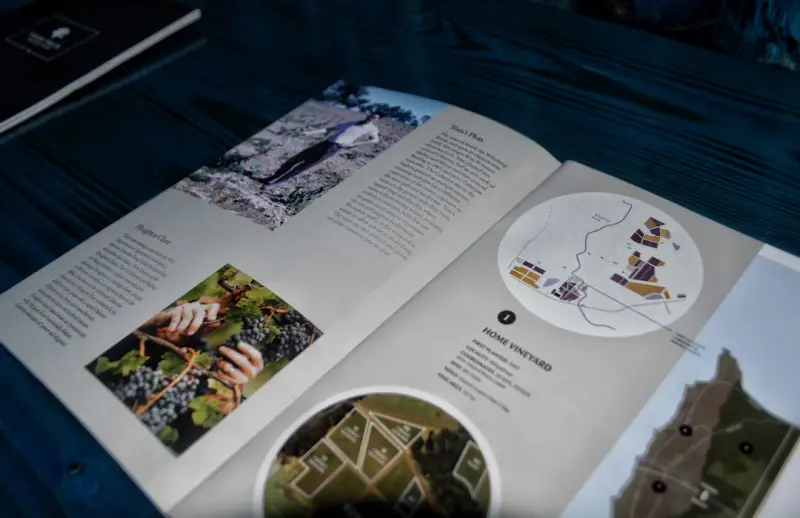
Hidden Paths: Crafting Authentic Journeys Beyond the Tourist Radar
Dive into the untapped side of travel: night markets, micro‑adventures, sustainable journeys, smar... Read More
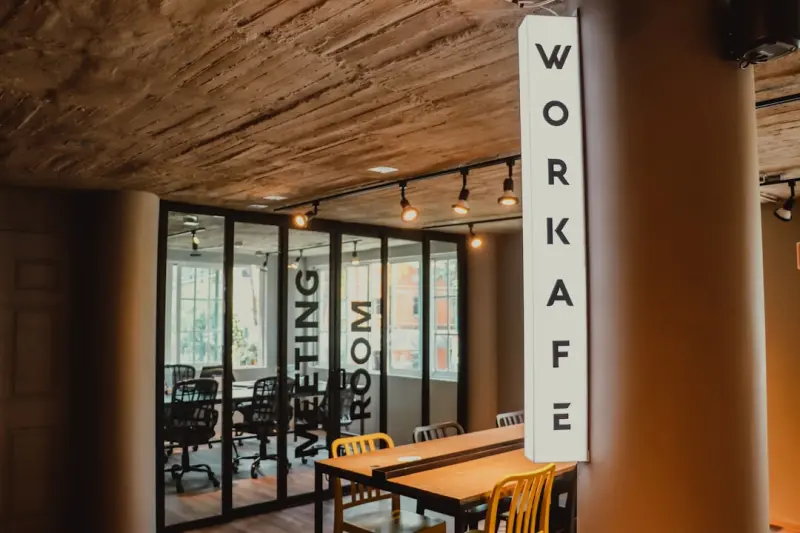
The Workcation Revolution: Blending Business and Bliss for Modern Travelers
A deep dive into the rise of workcations, showing how merging work and leisure can enhance performan... Read More
Top Posts

AI‑Powered Knowledge Hubs: Turning Data Chaos into Collaborative Intelligence
Explore how AI-driven knowledge hubs turn fragmented information into living resources, enabling faster decisions, reduced search fatigue, and a culture of prom...Read More

Seasonal Décor Swaps: Freshening Your Home with Nature’s Rhythm
Learn how to breathe new life into every room by swapping décor with the seasons, using natural elements, DIY projects, and smart sourcing for a vibrant, everâ...Read More

Scent‑Driven Success: How Aromatherapy Is Reshaping Workplace Health
A deep dive into the science and practical steps for using aromatherapy to improve employee well‑being, from office diffusers to remote work kits, highlightin...Read More

Finding Home in the Hustle: A Journey Through Global Local Markets
From bustling spice bazaars to quiet fish stalls, I share how wandering through local markets reshapes travel, offering taste, tradition, and a path to responsi...Read More
0 Comments
Post Comment
You will need to Login or Register to comment on this post!