
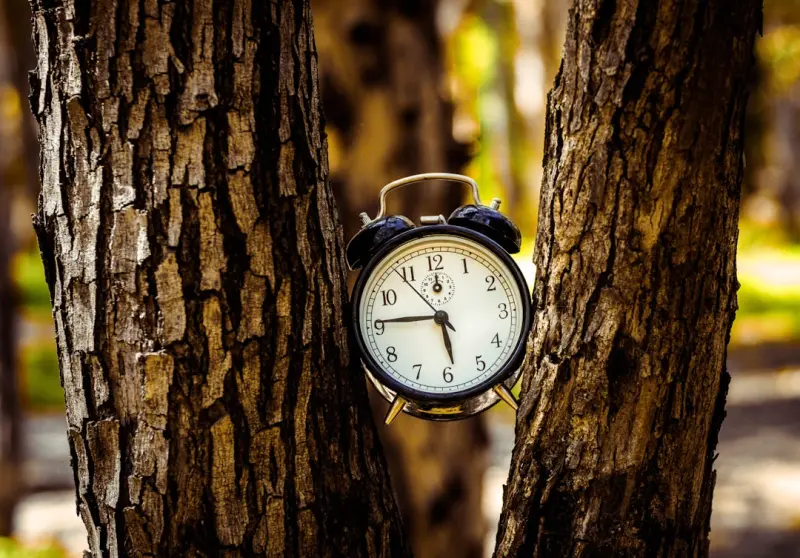
Why Your Internal Clock Deserves More Than a Casual Mention
Most of us glide through the day assuming that a one‑size‑fits‑all schedule is the default, yet the science of chronobiology tells a different story—our bodies are finely tuned machines that thrive when we respect their innate rhythms, and ignoring those cues can silently erode mood, metabolism, and immune resilience. When I first logged my sleep and activity patterns, the data painted a stark picture: my peak creativity surged in the mid‑morning, while my appetite for sugary snacks spiked just before the post‑lunch slump, a pattern that repeated like clockwork. By acknowledging this hidden architecture, you can begin to orchestrate work, meals, and rest in harmony with your personal chronotype, unlocking a level of vitality that feels less like luck and more like intentional design.
Identifying Your Personal Chronotype Without a Lab Coat
While researchers rely on questionnaires like the Munich Chronotype Questionnaire, you can discover your natural tendencies with a few simple observations: note when you feel most awake without caffeine, track the time you instinctively hit the snooze button, and record the hours when you naturally wind down. In my own experiment, I set a timer for an hour each night, noting the exact moment my mind started to wander; after two weeks, a clear pattern emerged—my optimal performance window opened around 9 a.m. and tapered off by 2 p.m., suggesting a classic “morning lark” profile. This DIY approach empowers you to map your own rhythm without expensive equipment, turning everyday habits into data points that guide smarter scheduling.
Re‑engineering Your Morning Routine to Match Your Peak
Once you’ve pinpointed when your energy spikes, re‑crafting the first hours of the day becomes a strategic advantage; instead of tackling low‑impact tasks during your high‑energy window, allocate creative work, problem‑solving, or critical meetings to that period for maximum output. I swapped my habit of checking emails at 8 a.m. for a 20‑minute meditation followed by a deep‑work block, and the difference was palpable—my focus sharpened, and I completed projects in half the time. Pairing this with a protein‑rich breakfast that supports sustained glucose release further stabilizes your alertness, turning the morning from a frantic scramble into a purposeful launchpad.
The Role of Light Exposure in Resetting Your Body Clock
Natural light is the most potent cue for synchronizing the suprachiasmatic nucleus, the brain’s master clock, and strategic exposure can dramatically shift your internal timing; a brisk walk outside within the first hour of waking floods the retina with blue wavelengths, signaling “daytime” to the hypothalamus and suppressing melatonin production. In contrast, dim lighting in the evening nudges the body toward rest, preparing it for restorative sleep. I experimented by dimming my home lights after 8 p.m. and installing a bright desk lamp for my morning routine, and the shift was unmistakable—my sleep onset became smoother, and my early‑day vigor surged, proving that simple illumination tweaks can act as a biological reset button.
Strategic Meal Timing: Feeding the Clock, Not the Clock Feeding You
When you align meals with your circadian peaks, you not only support metabolic efficiency but also stabilize blood‑sugar swings that often masquerade as mood dips; eating a balanced breakfast within an hour of sunrise fuels the liver’s glycogen stores, while a light, protein‑forward lunch sustains energy through the early afternoon dip. I introduced a habit of a vegetable‑rich omelet topped with avocado at dawn, followed by a modest quinoa‑bean bowl at noon, and observed a steadier appetite and fewer cravings for processed snacks. For those who crave an evening treat, a small portion of fruit paired with nuts after 7 p.m. satisfies hunger without overwhelming the night‑time digestive slowdown, keeping the clock happy and your waistline grateful.
Micro‑Movement Integration: Tiny Motion Tricks for Chronotype Support
Even if you’re a dedicated early riser, prolonged sitting can send mixed signals to your internal timer, confusing the body’s perception of activity levels; inserting brief, purposeful movements—like a 30‑second stretch every hour or a quick set of calf raises—reinforces the “daytime” cue and helps maintain circulation, which is crucial for hormone regulation. I linked this habit to the insights from tiny movement tricks and discovered that these micro‑bursts not only reduced stiffness but also sharpened my focus during the later parts of my workday, acting as a subtle yet effective chronobiology hack.
Sleep Hygiene Tailored to Your Chronotype for Deep Recovery
Quality sleep is the ultimate reset button, and customizing bedtime routines to your natural wind‑down window can dramatically improve sleep architecture; for morning types, aiming for a consistent bedtime between 9 p.m. and 10 p.m. aligns with the body’s propensity to release melatonin earlier, whereas night owls may benefit from a gradual shift of 15 minutes per night toward an earlier schedule, avoiding abrupt changes that trigger insomnia. I experimented with a “wind‑down playlist” of low‑tempo instrumental music, a screen‑free zone, and a cool bedroom temperature, and within a week my REM cycles deepened, leaving me refreshed and ready to meet my next morning’s high‑energy window.
Putting It All Together: A Personalized Chronotype Action Plan
To translate these insights into daily practice, start by mapping your natural peaks, then restructure work tasks, meals, light exposure, micro‑movement breaks, and sleep rituals around those windows; create a visual schedule that highlights “focus blocks,” “movement moments,” and “rest periods,” and treat each segment as a non‑negotiable appointment with your own biology. I drafted a simple spreadsheet that color‑codes each activity, and the visual cue kept me accountable, turning abstract chronotype theory into concrete, habit‑forming actions. For a deeper dive into how nutrition can complement this rhythm, explore the article on brain‑boosting foods, which offers science‑backed food choices that further enhance mental clarity during your prime hours. By honoring your internal clock, you not only boost productivity but also nurture long‑term health, proving that the most powerful performance hack lives inside you.

Paul Flynn is a versatile freelance writer equipped with a diverse skillset and a portfolio that reflects his wide-ranging interests and expertise. From crafting compelling website copy and engaging blog posts to delivering in-depth articles and meticulously researched reports, Flynn demonstrates a remarkable ability to adapt his writing style to suit various audiences and purposes.
Related Posts
Strategic Pauses: The Hidden Health Hack for High‑Performance Professionals
Strategic pauses—short, deliberate breaks that engage breathing, light movement, and a change of s... Read More
The Quiet Power of Sleep Rituals for Remote Professionals
A deep dive into why consistent sleep rituals are the secret weapon for remote professionals, offeri... Read More

Micro‑Movement Breaks: Tiny Physical Nudges for Big Brain Gains
Micro‑movement breaks are brief, intentional motions that re‑energize the brain and body. Learn ... Read More
Top Posts

Strategic Breathwork for Remote Professionals: Boost Focus, Reduce Stress
This article reveals how remote professionals can harness simple, science‑backed breathwork practices to enhance focus, cut stress, and support gut health, wi...Read More
The Audio‑First Playbook: How SaaS Marketers Can Amplify Growth with Sound
Explore a fresh, audio‑centric approach to SaaS marketing—from educational podcasts and customer audio testimonials to cohesive brand soundscapes—complete...Read More

The Rise of Digital Twin SaaS: Bridging Virtual and Physical Worlds for Enterprise Agility
Digital twins turn real‑world assets into living, data‑driven models. This article outlines why SaaS providers should adopt edge‑first and composable stra...Read More
Listening to the Landscape: Curating a Personal Soundtrack for Every Journey
Explore the power of sound in travel. Learn to build a personal soundtrack, capture ambient audio, and deepen cultural connections for unforgettable journeys....Read More
0 Comments
Post Comment
You will need to Login or Register to comment on this post!