
Why Micro‑Breaks Are the Unsung Heroes of Modern Wellness
When I first started experimenting with my own daily routine, I thought the secret to staying sharp was to double‑down on marathon work sessions. The idea was simple: more hours, more output. It felt logical—until my brain started buzzing with the same stale static that a low‑quality Wi‑Fi signal emits after too much traffic. That’s when I discovered the transformative potential of micro‑breaks.
Micro‑breaks are intentional pauses that last anywhere from 30 seconds to five minutes. They’re not the coffee‑shop‑sized “coffee break” you’re accustomed to; they’re brief, frequent, and purposefully designed to reset your nervous system. In the same way that a well‑tuned server cache can accelerate a web app, a well‑timed micro‑break can accelerate mental performance.
The Neuroscience Behind the Pause
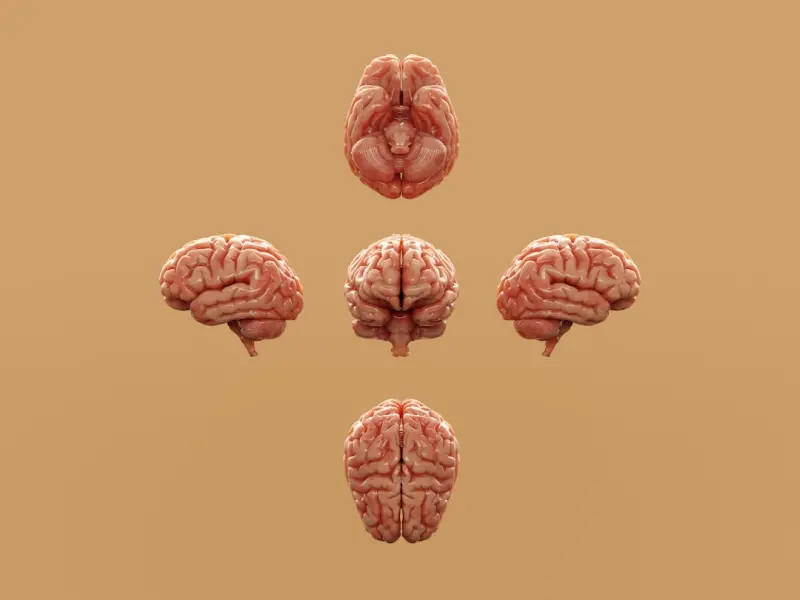
Our brains thrive on a rhythm of activation and restoration. The prefrontal cortex, the command center for decision‑making, is especially vulnerable to “cognitive fatigue.” When we push it for hours on end, neurotransmitter levels—especially dopamine and norepinephrine—start to dip, leading to reduced focus and a growing sense of mental fog.
Research from cognitive psychology shows that a 60‑second pause can trigger a cascade of benefits:
- Replenished dopamine: A short burst of movement or a change in visual scenery stimulates dopamine release, which lifts mood and motivation.
- Improved working memory: Brief diversions give the hippocampus a moment to consolidate short‑term information into longer‑term memory.
- Reduced cortisol spikes: Even a minute of deep breathing can blunt the stress hormone that otherwise builds up during intense focus periods.
These micro‑adjustments add up. Think of them as the tiny patches of green that break up a concrete jungle—each one may be small, but together they create a breathable, livable environment.
Designing Micro‑Breaks That Actually Work
Not all breaks are created equal. To make a micro‑break truly restorative, it should hit three criteria: movement, sensory shift, and intention. Below is a practical framework you can adopt today.
- Movement: Stand up, stretch your arms overhead, or do a quick set of shoulder rolls. The goal is to get blood flowing and to change your posture.
- Sensory shift: Look away from the screen. Glance out a window, focus on a distant object, or close your eyes and visualize a calming scene.
- Intention: Set a tiny mental cue—“I’m resetting my focus” or “I’m breathing in calm, exhaling tension.” This mental anchor signals your brain that the pause is purposeful.
Here’s a sample 3‑minute micro‑break you can embed after every 45‑minute work block:
- 0:00‑0:30 – Stand, stretch arms upward, and take three deep breaths.
- 0:30‑1:00 – Gaze at a plant or a piece of art, noting colors and shapes.
- 1:00‑1:30 – Perform a quick shoulder roll, then shake out your hands.
- 1:30‑2:00 – Close your eyes, repeat a calming phrase silently.
- 2:00‑3:00 – Return to your desk, set a clear intention for the next work segment.
This routine takes less time than brewing a cup of coffee, but its impact on focus can be just as potent.
Micro‑Breaks in a Remote‑First World
Remote work has blurred the line between “office” and “home,” making it harder to read natural cues that signal when it’s time to step away. In a traditional office, a colleague might pop into your cubicle, prompting a brief mental reset. At home, the only cue is often the relentless ping of a notification.
To counter this, I installed a simple visual timer on my desktop—a subtle, non‑intrusive icon that glows green for 45 minutes, then turns amber for a micro‑break. The visual cue is akin to a traffic light, giving me a clear, automated permission to pause without feeling guilty.
If you’re looking for inspiration on how subtle tech can support habit formation, check out ambient health tech—it explores how low‑key sensors can nudge us toward better wellness without demanding our full attention.
Micro‑Communities and Collective Resilience
One unexpected benefit of micro‑breaks is the emergence of micro‑communities—small, purpose‑driven groups that share break rituals, accountability, and encouragement. I started a Slack channel called “#5‑Minute‑Refresh” where team members post what they did during their break and how it felt. Within weeks, the channel became a hub of shared energy, with members swapping ideas like “desk‑plant breathing” and “window‑gazing challenges.”
For a deeper dive into how micro‑communities can amplify collaboration and well‑being, read Micro‑Communities: The Untapped Engine Driving B2B Marketing Success. While the original article focuses on marketing, the underlying principles of shared micro‑habits translate directly to health.
The Environmental Angle: Green Cloud, Green Mind
It may sound far‑fetched, but the way our digital infrastructure operates can affect our mental health. Data centers consume massive amounts of energy, and the associated carbon emissions have been linked to increased stress in communities near those facilities. Transitioning to green cloud computing not only reduces environmental impact but also contributes to a collective sense of purpose—an often‑overlooked component of psychological wellness.
When employees know their organization is committed to sustainability, they experience a boost in intrinsic motivation. This subtle psychological uplift can make micro‑breaks feel more rewarding, reinforcing the habit loop.
Measuring the Impact: Simple Metrics That Matter
To convince yourself (or your leadership) that micro‑breaks are more than a feel‑good gimmick, track these low‑effort metrics over a month:
- Focus duration: Use a timer to log the average uninterrupted work interval. Expect a gradual rise from 30‑45 minutes to 60‑75 minutes.
- Self‑rated energy: At the end of each day, rate your energy on a 1‑10 scale. A steady upward trend signals success.
- Task completion rate: Compare the number of tasks finished before and after adopting micro‑breaks. Quality matters more than quantity; look for fewer errors.
These data points are the health equivalent of A/B testing. They provide concrete evidence that a few minutes of intentional pause can translate into higher productivity and better well‑being.
Common Pitfalls and How to Avoid Them
Even the best‑intentioned micro‑break regimen can backfire if you fall into these traps:
- Scrolling mindlessly: Reaching for your phone and scrolling through social media defeats the purpose. Keep the break tech‑free.
- Over‑structuring: If you rigidly schedule every break down to the second, the practice can feel mechanical. Allow flexibility.
- Skipping breaks during high‑stress periods: The temptation to power through is strongest when deadlines loom. Remember, the break is the safety valve that prevents the pressure from exploding.
When you catch yourself slipping, simply acknowledge it and restart the pattern. Consistency over perfection is the mantra here.
Integrating Micro‑Breaks Into Corporate Culture
Leaders can champion micro‑breaks by modeling the behavior themselves. During virtual all‑hands meetings, CEOs can allocate a two‑minute “reset” after each agenda item. Physical workplaces can install “stretch stations”—small zones with a yoga mat, a plant, and a breathing‑guide poster.
In addition, consider embedding micro‑break reminders into existing workflow tools. Many project management platforms allow custom notifications; use them to cue a brief pause after task completion. This creates an ecosystem where wellness is woven into the fabric of daily work, rather than an after‑thought.
Future Trends: Adaptive Break Technology
The next wave of health‑focused tech will likely involve adaptive algorithms that learn your optimal break cadence. Imagine a smartwatch that detects a dip in heart‑rate variability and suggests a 90‑second breathing exercise, or a desktop widget that adjusts break frequency based on your typing speed.
Such technology will blend the principles of edge AI with human‑centred design, delivering personalized micro‑breaks without demanding active decision‑making. It’s a promising frontier that aligns with the broader movement toward “human‑in‑the‑loop” wellbeing tools.
Conclusion: Small Pauses, Big Gains
The modern work environment is a high‑velocity sprint, but endurance isn’t built on nonstop motion—it’s forged in the intervals. Micro‑breaks act as the pit stops that refuel your mental engine, allowing you to return to the race with renewed vigor.
By integrating intentional movement, sensory shifts, and purposeful intention into brief pauses, you’ll notice sharper focus, steadier mood, and a resilient mind that can weather the inevitable stresses of a demanding day. And when you pair this practice with supportive micro‑communities, sustainable tech choices, and emerging adaptive tools, you’re not just improving individual health—you’re contributing to a culture that values human performance as a holistic, sustainable asset.
Start today. Set a timer, stand up, look out the window, and give your brain the respect it deserves. In the grand marathon of life, the smartest runners know when to pause—and they win the race.

David Moore is a freelance writer specializing in two dynamic and ever-evolving fields: gambling and the tech industry. With a keen eye for detail and a knack for unraveling complex topics, David delivers insightful and engaging content that keeps readers informed and entertained.
Related Posts
Rewiring Your Brain: The Surprising Health Benefits of Digital Minimalism
Digital minimalism isn’t about abandoning tech—it’s about curating it to protect brain health.... Read More

The Healing Power of Forest Bathing: A Simple Path to Better Health
Explore forest bathing, the science‑backed practice of immersing in nature, to lower stress, stren... Read More

Rewiring Your Internal Clock: Harnessing Natural Light for Peak Health and Performance
Learn why natural light is the missing health lever for tech professionals and how to create a light... Read More
Top Posts

Why Forest Bathing Is the Hidden Health Booster You Need
Explore the science and simple steps behind forest bathing, a nature‑based practice that strengthens immunity, lowers stress, and enhances mental clarity for ...Read More

Real‑Time Intent Signals: A B2B Marketing Game‑Changer
Real‑time intent signals let marketers act the moment a prospect shows buying interest, turning fleeting digital breadcrumbs into a dynamic revenue engine tha...Read More

Riding the Google AI Wave: Insights from a Marketer on the Frontlines
A marketer’s front‑line guide to leveraging Google’s AI—learn practical tactics for research, creative, measurement, and future‑proofing your strategy...Read More
AI‑Powered Personal Knowledge Graphs: Turning Data Chaos Into Insight
Learn how to build an AI‑driven personal knowledge graph that transforms cluttered notes into a living network of insights, enhancing productivity and strateg...Read More
0 Comments
Post Comment
You will need to Login or Register to comment on this post!