
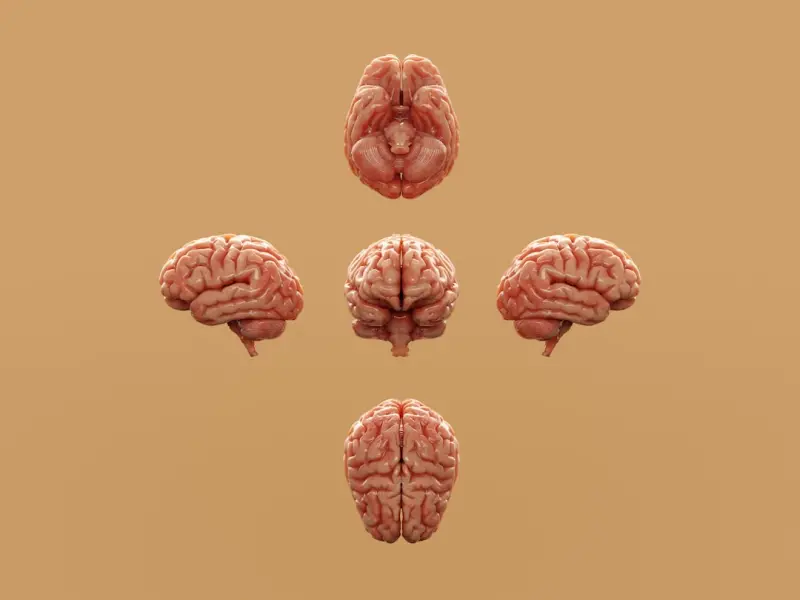
Why Brain‑Specific Nutrition Is the Next Health Frontier
When I first started digging into the science of nutrition, I quickly realized that most diet advice treats the body as a single engine, ignoring the fact that the brain runs on a very different fuel mixture. The organ that controls every thought, feeling, and movement demands a precise cocktail of micronutrients, and when those ingredients are missing, mental fog, mood swings, and even chronic fatigue set in. In my own journey, I found that tweaking my plate to prioritize neuro‑supportive foods transformed my focus at work and steadied my emotional baseline, proving that a brain‑centric approach isn’t just a fad—it’s a functional upgrade. This article walks you through the science, the foods, and the practical habits that let anyone turn everyday meals into a cognitive catalyst.
The Science Behind Brain‑Targeted Nutrition
The brain consumes roughly 20% of the body’s resting energy despite representing only 2% of its weight, which means it’s constantly hungry for high‑quality fuel. Researchers have identified several pathways—such as the blood‑brain barrier’s selective permeability and the brain’s reliance on glucose and ketone bodies—that dictate which nutrients can actually cross into neural tissue. Studies show that when you supply the brain with the right balance of omega‑3 fatty acids, B‑vitamins, and antioxidants, you enhance synaptic plasticity, reduce oxidative stress, and support the production of neurotransmitters that regulate mood and cognition. Understanding these mechanisms helps you move beyond vague “eat healthy” slogans and choose foods that literally power your thoughts.
Key Nutrients That Power Cognitive Health
Here are the top three nutrient families that have the strongest evidence for boosting brain performance:
- Omega‑3 fatty acids (EPA and DHA) – essential for neuronal membrane fluidity and anti‑inflammatory pathways.
- B‑vitamin complex (especially B6, B9, B12) – critical for methylation cycles, neurotransmitter synthesis, and homocysteine regulation.
- Antioxidants such as flavonoids, vitamin C, and vitamin E – protect neurons from free‑radical damage and support neurogenesis.
Including a variety of these nutrients daily not only supports short‑term focus but also builds long‑term resilience against age‑related cognitive decline. Foods rich in omega‑3s include wild salmon, sardines, and algae‑based supplements, while leafy greens, legumes, and fortified cereals deliver the B‑vitamins your brain craves. For antioxidants, think berries, dark chocolate, and a colorful array of vegetables that turn your plate into a neuro‑protective palette.
The Gut‑Brain Connection and Tiny Movements
It’s impossible to talk about neuro‑nutrition without mentioning the gut‑brain axis, a two‑way communication highway that links digestive health to mental clarity. A diverse microbiome produces short‑chain fatty acids that serve as secondary fuel for the brain, while inflammation in the gut can trigger mood disturbances. That’s why I pair my nutrient‑dense meals with Micro‑Movements, simple micro‑exercises that stimulate circulation and promote better nutrient absorption. Even a brief walk after lunch can kick‑start the vagus nerve, enhancing parasympathetic activity and allowing the brain to process the incoming nutrients more efficiently.
Meal Timing, Fasting, and Neuro‑Balance
When you eat can be just as important as what you eat, especially for brain health. Intermittent fasting protocols—such as a 16/8 window—encourage the brain to shift from glucose to ketone metabolism, a state linked to increased mitochondrial efficiency and reduced oxidative stress. Additionally, spreading protein intake evenly across meals ensures a steady supply of amino acids for neurotransmitter production, preventing the spikes and crashes that can impair focus. I’ve found that a light, protein‑rich breakfast, a balanced lunch, and a modest dinner paired with a 12‑hour overnight fast keep my mental stamina high from morning meetings to late‑night reading.
Practical Recipes and Snack Ideas for a Sharper Mind
Turning theory into taste is where the magic happens. Try a “Brain‑Boost Bowl” that layers quinoa, smoked salmon, avocado, and a sprinkle of walnuts—each component delivers omega‑3s, healthy fats, and magnesium for neural signaling. For a quick snack, blend frozen blueberries, a handful of spinach, almond milk, and a scoop of collagen protein for a antioxidant‑rich, gut‑friendly shake. If you’re short on time, keep a stash of roasted seaweed and mixed nuts; the iodine supports thyroid function, which in turn regulates brain metabolism. These simple, portable options make it easy to keep neuro‑nutrition front and center, no matter how hectic your schedule.
Lifestyle Hacks to Maximize Nutrient Absorption
Even the best diet can fall short if your body can’t absorb the nutrients. Pairing fat‑soluble vitamins with healthy oils—think olive oil drizzled over a kale salad—boosts their bioavailability, while consuming iron‑rich foods with vitamin C (like adding lemon juice to spinach) enhances iron uptake critical for oxygen transport to the brain. Light exposure, especially morning sunlight, synchronizes circadian rhythms that regulate hormone release, including cortisol, which affects glucose availability for neural activity. Finally, aim for 7‑9 hours of quality sleep; during deep sleep, the brain clears metabolic waste via the glymphatic system, making space for new learning and memory consolidation.
Common Myths About Brain‑Boosting Foods Debunked
Myth #1: “Brain foods are expensive.” In reality, many cost‑effective options—like eggs, beans, and frozen berries—provide high levels of essential nutrients without breaking the bank. Myth #2: “Supplements are a shortcut.” While supplements can fill gaps, whole foods deliver a synergistic matrix of phytonutrients that isolated compounds can’t replicate. Myth #3: “Only drastic diet overhauls work.” Small, consistent tweaks—adding a tablespoon of flaxseed to oatmeal or swapping soda for green tea—accumulate over time to produce measurable improvements in focus and mood. By dispelling these misconceptions, you can adopt a realistic, sustainable neuro‑nutrition plan.
Putting It All Together: A Personalized Neuro‑Nutrition Blueprint
Start by auditing your current meals: note where omega‑3s, B‑vitamins, and antioxidants appear, then identify gaps you can fill with the foods and habits discussed. Set a realistic goal—perhaps incorporating a brain‑boosting snack three times a week or adding a 10‑minute post‑lunch walk to activate the gut‑brain axis. Track your energy, focus, and mood in a simple journal; patterns will emerge, allowing you to fine‑tune portions, timing, and movement. Remember, neuro‑nutrition isn’t a one‑size‑fits‑all prescription; it’s a dynamic, personalized strategy that evolves with your lifestyle, goals, and the latest scientific insights. Embrace the process, and you’ll watch your mental clarity and emotional resilience rise, one mindful bite at a time.

Paul Flynn is a versatile freelance writer equipped with a diverse skillset and a portfolio that reflects his wide-ranging interests and expertise. From crafting compelling website copy and engaging blog posts to delivering in-depth articles and meticulously researched reports, Flynn demonstrates a remarkable ability to adapt his writing style to suit various audiences and purposes.
Related Posts

Digital Nutrition: Feeding Your Brain in a Data‑Heavy World
Discover a fresh approach to mental wellbeing: treat data interactions like meals, add intentional p... Read More
Virtual Reality: The Next Wave in Workplace Wellness
Virtual reality offers immersive, data‑driven stress relief that integrates with wearables and AI,... Read More

Tiny Movement Bursts: The Unsung Hero of Remote‑Work Health
Micro‑movement bursts—short, intentional stretches or walks—are a powerful, low‑effort way t... Read More
Top Posts
Mining the Knowledge Graph: A SaaS Playbook for Smarter Lead Enrichment
Learn how to leverage Google’s Knowledge Graph to automatically enrich prospect data, improve outreach personalization, and create a smarter, faster sales pip...Read More

Digital Biohacking: Tiny Tech Habits That Transform Your Well‑Being
Explore how small, intentional changes to your digital environment—like smart notification management, AI‑driven breaks, and wearable feedback—can create ...Read More

Quiet Health Upgrades for Remote Professionals: Breath, Light, and Kitchen Hacks
Learn three subtle yet powerful health upgrades—breathwork resets, natural lighting tricks, and a stress‑free kitchen setup—that remote workers can adopt ...Read More

Personal Digital Twins: Your Virtual Self as a Daily Coach
Explore the rise of personal digital twins—virtual replicas that learn from your habits, guide daily decisions, and empower a smarter, healthier lifestyle....Read More
0 Comments
Post Comment
You will need to Login or Register to comment on this post!