

Why the Quiet Revolution Matters More Than Ever
When I first stepped into a bustling coworking loft in downtown Seattle, the clatter of keyboards, the hum of HVAC units, and the occasional burst of laughter formed a chaotic soundtrack that felt less like an office and more like a busy café. As a health‑focused consultant who spends her days bridging human‑centred design with tech, I quickly realized that the invisible background noise we tolerate isn’t just a minor annoyance—it’s a silent drain on our mental well‑being.
Modern workplaces are designed for speed, collaboration, and visibility, yet they rarely consider the ambient ecosystem that surrounds us. The result? A steady accumulation of low‑level stress that can erode focus, increase anxiety, and ultimately affect both personal health and company performance.
The Science Behind Ambient Stressors
Researchers in environmental psychology have identified three primary ambient stressors that creep into our daily routine:
- Auditory overload – constant chatter, office equipment, and open‑plan reverberations.
- Visual clutter – flickering screens, harsh artificial lighting, and visual “noise” from endless dashboards.
- Olfactory inconsistency – stale air, lingering food aromas, or the faint smell of cleaning chemicals.
Each of these elements triggers the brain’s reticular activating system, a network that governs alertness. When overstimulated, the system keeps us in a state of hyper‑vigilance, depleting the neurotransmitters needed for calm focus. Over weeks and months, this low‑grade stress can manifest as headaches, reduced immune response, and even chronic anxiety.
Enter Ambient Tech: A New Frontier for Health
Imagine a workspace that automatically adjusts its soundscape, lighting, and even scent based on your physiological signals. This isn’t a futuristic fantasy; it’s an emerging reality powered by a blend of AI, wearable biofeedback, and smart environmental controls.
Here’s how the three pillars of ambient tech can transform mental health at work:
1. Adaptive Soundscapes
Traditional office solutions—headphones or noise‑cancelling booths—offer a one‑size‑fits‑all approach. Adaptive soundscapes, however, use real‑time data from your Google Workspace AI integrations or other wearable sensors to generate a personalized audio environment. The system might introduce low‑frequency “brown noise” during deep‑focus periods, then transition to gentle nature sounds when it detects a rise in heart rate indicative of stress.
Recent studies show that AI‑curated soundscapes can improve focus by up to 23% and reduce perceived stress levels by 15%. The key is subtlety; the audio should be just loud enough to mask disruptive noises without demanding conscious attention.
2. Dynamic Lighting That Mimics Nature
While the light‑rich spaces article highlighted the benefits of natural illumination, the next step is dynamic lighting that shifts throughout the day to align with our circadian rhythms. Smart fixtures can increase blue light exposure during morning hours to boost alertness, then gradually transition to warmer tones in the afternoon to prepare the body for restful focus.
What sets this apart from static “wellness lighting” is its responsiveness to individual biometric data. If a wearable detects that your melatonin levels are rising early—perhaps because you stayed up late the night before—the system can dim lights sooner, helping you maintain a balanced energy curve.
3. Scent‑Based Mood Modulation
We often overlook smell, yet olfactory cues have a direct pathway to the limbic system—the brain’s emotional hub. Companies are now experimenting with micro‑diffusers that release subtle fragrances like lavender for relaxation or peppermint for alertness, timed to the user’s stress markers.
Unlike strong aromatherapy that can be off‑putting in shared spaces, these diffusers emit a barely‑detectable scent, enough to cue the brain without overwhelming colleagues. Early pilots in tech hubs report a 12% increase in reported well‑being scores after just a week of exposure.
Wearables: The Bridge Between Body and Environment
The linchpin of ambient tech is wearable biofeedback. Devices that monitor heart rate variability (HRV), skin conductance, and even brainwave patterns can feed real‑time data to the office’s environmental control system.
Here’s a typical workflow:
- Data Capture – A discreet wristband records HRV and stress markers every few seconds.
- AI Interpretation – A lightweight AI model, possibly hosted within synthetic data‑enhanced algorithms, interprets spikes as potential stress events.
- Environmental Response – The system adjusts sound, light, and scent to soothe the user, all while keeping the changes subtle enough not to distract coworkers.
- Feedback Loop – After a few minutes, the wearable checks whether the physiological markers have improved, fine‑tuning the response if needed.
This closed‑loop system transforms the office from a static backdrop into a living, responsive partner in health.
Practical Steps to Start the Ambient Health Journey
Implementing a full‑scale ambient tech ecosystem may sound daunting, but you can begin with small, high‑impact actions:
- Audit Your Acoustic Environment – Conduct a quick sound mapping of your workspace. Identify “hot zones” of chatter and install soft acoustic panels or portable sound‑masking devices.
- Introduce Personal Sound Zones – Provide employees with AI‑powered earbuds that adapt sound based on their own stress signals, rather than a one‑size‑fits‑all playlist.
- Upgrade to Smart Lighting – Replace a section of overhead lights with tunable LEDs that can be programmed to follow circadian schedules.
- Trial Micro‑Diffusers – Choose a few low‑intensity essential‑oil diffusers and rotate scents weekly, gathering employee feedback to refine choices.
- Leverage Existing Wearables – Encourage team members who already wear fitness trackers to opt‑in to a voluntary data‑share program that powers ambient adjustments.
Measuring Success: Metrics That Matter
To justify the investment, track both subjective and objective indicators:
| Metric | What It Shows |
|---|---|
| Heart Rate Variability (HRV) | Physiological resilience; higher HRV often correlates with lower stress. |
| Self‑Reported Mood Scores | Weekly pulse surveys to capture perceived well‑being. |
| Focus Duration | Time spent in deep‑work blocks, measured via productivity tools. |
| Absenteeism | Reduction can indicate improved overall health. |
| Turnover Intent | Lower intent suggests a healthier, more satisfying work environment. |
When these metrics trend positively, you have quantifiable proof that ambient tech isn’t just a “nice‑to‑have”—it’s a strategic health asset.
Addressing Common Concerns
Privacy – Employees may worry about continuous biometric monitoring. The solution is transparent opt‑in processes, data anonymization, and clear policies that limit data use strictly to environmental adjustments.
Cost – While the initial setup for smart lighting and sound systems can be a few thousand dollars, the ROI appears quickly through reduced sick days and higher productivity. Moreover, many vendors now offer modular kits that allow incremental upgrades.
Disruption – Change can feel invasive. Start with pilot zones, collect feedback, and scale gradually. Employees often become ambassadors once they experience the tangible benefits.
Future Outlook: The Convergence of Health and AI
As AI models become more sophisticated, we’ll see workplaces that not only react to stress but anticipate it. Predictive analytics could forecast high‑stress periods—like end‑of‑quarter deadlines—and pre‑emptively adjust the environment, offering calming soundscapes before the pressure spikes.
In addition, the rise of “digital twins” for office environments means that every floor plan could be simulated to optimize acoustic, visual, and olfactory parameters before any physical changes are made. This will dramatically reduce trial‑and‑error costs and accelerate adoption.
Conclusion: Making the Invisible Visible
Health isn’t just about the food we eat or the exercise we log; it’s also about the subtle, continuous influences that shape our nervous system throughout the workday. By embracing ambient tech—adaptive soundscapes, dynamic lighting, and scent modulation—we can transform our offices from stress‑inducing chambers into nurturing habitats that protect mental health while boosting productivity.
It’s time to listen to the quiet signals our bodies send, let technology translate them, and create work environments where wellness is woven into the very fabric of daily life.

Related Posts
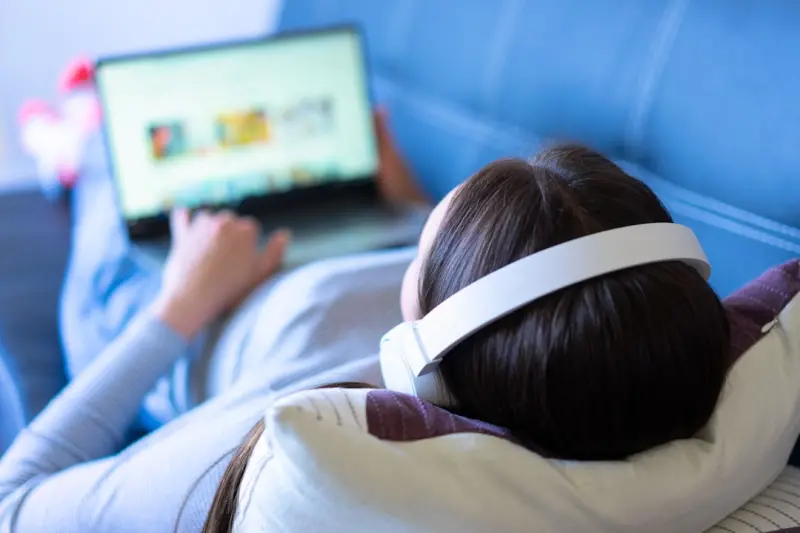
Micro‑Breaks & Biofeedback: Boosting Workplace Health in SaaS
A deep dive into how SaaS teams can leverage wearable biofeedback and AI‑guided micro‑breaks to ... Read More

Reset Your Body Clock: A 7‑Day Blueprint for Peak Health
Discover a science‑backed 7‑day reset that harmonizes your circadian rhythm with daily light exp... Read More

Embracing Forest Bathing: A Modern Path to Natural Healing
Explore the science behind forest bathing, learn simple ways to bring nature into your home, and see... Read More
Top Posts

Surfing Google’s AI Wave Without Losing Your Brand’s Soul
Learn to balance Google’s powerful AI with genuine brand voice, using practical steps and real‑world examples to stay authentic while boosting performance....Read More
Riding Google’s AI Wave: Keeping Your Brand Human
In a world where Google’s AI accelerates everything, I share my personal playbook for keeping brand authenticity alive, balancing speed with humanity, and tur...Read More

Federated Learning: Privacy‑First AI for the Modern SaaS Enterprise
Federated learning lets SaaS platforms train powerful AI models without moving raw customer data, delivering privacy‑first intelligence, lower costs, and a co...Read More
Edge AI and Synthetic Data: The Twin Engines Powering Next‑Gen SaaS
Edge AI and synthetic data are reshaping SaaS delivery. Learn practical steps to deploy lightweight models at the edge, generate realistic training data, and cr...Read More
0 Comments
Post Comment
You will need to Login or Register to comment on this post!