
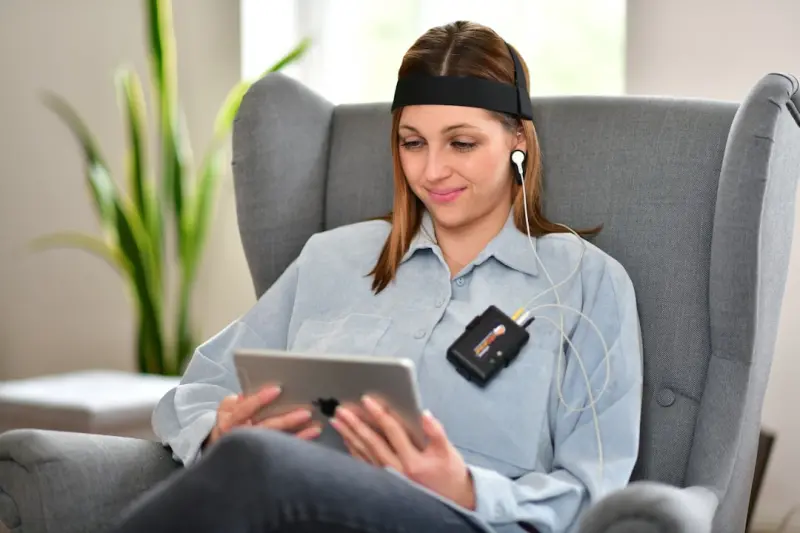
In the hyper‑connected world of knowledge work, stress isn’t just an occasional guest—it’s a constant roommate. The relentless ping of notifications, the pressure to deliver, and the blur between home and office create a physiological cocktail that can erode focus, creativity, and long‑term health. Yet, while most conversations hover around screen time limits or sleep hygiene, a quieter revolution is unfolding on our wrists, chests, and fingertips: biofeedback‑powered stress mastery.
What Biofeedback Really Means for the Modern Professional
Biofeedback is the process of turning invisible bodily signals—heart rate variability (HRV), skin conductance, respiration patterns—into visible data that we can observe and, crucially, influence. When you wear a sensor that captures these metrics, an app translates the raw numbers into intuitive dashboards: a rising HRV line might indicate calm, while a spike in galvanic skin response flags rising anxiety.
This feedback loop does two things simultaneously. First, it brings subconscious stress responses into conscious awareness. Second, it provides a real‑time lever you can adjust—deep breathing, a quick stretch, a brief mindfulness cue—to bring your nervous system back into balance before the stress spirals.
Why Traditional Approaches Fall Short
Classic stress‑management advice—take a break, drink water, meditate for ten minutes—relies on self‑reporting. Human perception is notoriously biased; you might feel “fine” while your body is already in fight‑or‑flight mode. Moreover, the “one‑size‑fits‑all” model ignores the fact that stress manifests differently across individuals and even fluctuates throughout a single workday.
In contrast, biofeedback offers a personalized, data‑driven compass. It tells you exactly when your body is veering off‑track, allowing interventions that are both timely and tailored to your unique physiological profile.
Key Biofeedback Metrics and What They Reveal
- Heart Rate Variability (HRV): Higher HRV reflects a flexible autonomic nervous system and better stress resilience. A dip often precedes mental fatigue.
- Skin Conductance (Electrodermal Activity): Increases when sweat glands activate, a hallmark of emotional arousal.
- Respiratory Rate: Shallow, rapid breaths can signal anxiety, while slower, diaphragmatic breathing promotes calm.
- Posture‑Related Muscle Activity: Sensors on the upper back can detect tension that often accompanies prolonged sitting.
Integrating Biofeedback Into a Day of Knowledge Work
Here’s a practical roadmap you can embed into a typical remote or hybrid schedule:
- Morning Baseline Scan (5 minutes) – As soon as you boot up your laptop, slip on your wearable (e.g., a chest strap or wrist sensor). Run a short baseline reading to capture your resting HRV and skin conductance. This sets a reference point for the day.
- Focused Work Blocks (90‑120 minutes) – During deep‑work sessions, keep the biofeedback app running discreetly in the background. If HRV begins to drop or skin conductance spikes, a gentle haptic alert prompts a micro‑reset.
- Micro‑Reset (30‑60 seconds) – When alerted, pause, place a hand on your chest, and practice a 4‑7‑8 breathing technique (inhale 4 seconds, hold 7, exhale 8). Watch the metrics rebound in real time—this visual reinforcement cements the habit.
- Lunch‑Time Recalibration (10 minutes) – After eating, take a short walk while the device monitors changes in HRV. Physical movement often amplifies the calming effect of the earlier breathing exercise.
- Afternoon Check‑In (5 minutes) – Conduct a quick re‑baseline. Compare to the morning reading; note trends and adjust the day’s workload if necessary.
- Evening Wind‑Down (15 minutes) – Before logging off, engage in a low‑intensity activity (stretching, light reading) while the wearable captures a final HRV snapshot. A sustained high HRV at night predicts better sleep quality.
Choosing the Right Tools
Not all wearables are created equal. Look for devices that offer:
- Continuous HRV measurement, not just occasional spot checks.
- Open APIs or integrations with productivity suites (e.g., calendar, task managers) to sync stress alerts with your workflow.
- Customizable alert thresholds so you can fine‑tune sensitivity.
Popular options include the WHOOP strap, Oura Ring, and certain advanced smartwatches. For teams, consider enterprise platforms that aggregate anonymized data to spot collective stress hotspots without compromising privacy.
Data‑Driven Stress Insights for Teams
When individuals adopt biofeedback, the aggregated data can become a strategic asset for managers. By visualizing stress trends across projects, leaders can identify overload before burnout manifests. However, privacy is paramount—opt‑in models and anonymized reporting safeguard personal health data while still delivering actionable insights.
For a deeper dive into how data can respect privacy, explore our Federated Learning Unleashed: Privacy‑First AI for SaaS article, which outlines techniques to analyze collective metrics without exposing individual identities.
Beyond the Individual: Cultivating a Biofeedback‑Friendly Culture
Technology alone won’t solve stress. Companies must nurture an environment where taking a moment to reset is normalized, not stigmatized. Here are three cultural levers:
- Leadership Modeling – Executives who openly use biofeedback during meetings set a precedent that mental health is a priority.
- Scheduled “Quiet Hours” – Block out times in the shared calendar where no meetings are allowed, encouraging focus and giving the nervous system a chance to recover.
- Recognition of Stress‑Smart Behaviors – Celebrate teams that consistently meet stress‑management KPIs (e.g., maintaining HRV above a target threshold) alongside traditional performance metrics.
Synergy With Other Health Initiatives
Biofeedback doesn’t exist in a vacuum; it complements broader wellness programs. For instance, while AI‑Driven Nutrition for Remote Workers helps optimize fuel intake, biofeedback ensures that the body’s stress response stays in check, amplifying the benefits of a balanced diet.
Similarly, initiatives around indoor air quality (Breathe Easy) improve baseline physiological health, making it easier for the nervous system to stay resilient under pressure.
Measuring Success: What Metrics Matter?
When implementing biofeedback at scale, track both individual and organizational outcomes:
- Average Daily HRV: A rising trend suggests improved stress resilience.
- Frequency of Stress Alerts: A decrease indicates better baseline calmness or more effective interventions.
- Productivity Correlates: Compare task completion rates and error frequencies before and after biofeedback adoption.
- Employee Satisfaction Scores: Survey staff about perceived stress levels and the usefulness of biofeedback tools.
Potential Pitfalls and How to Avoid Them
Even the most promising technology can backfire if misapplied. Watch out for:
- Alert Fatigue: If alerts fire too often, users may start ignoring them. Calibrate thresholds wisely.
- Data Over‑Interpretation: A single low HRV reading isn’t a crisis; consider context (e.g., after intense exercise).
- Privacy Concerns: Ensure transparent data policies and give employees control over what is shared.
Future Horizons: AI‑Enhanced Biofeedback
The next frontier combines biofeedback with AI to predict stress before it spikes. By feeding real‑time physiological data into machine‑learning models, systems could proactively suggest workload adjustments, optimal break times, or even re‑schedule meetings to align with peak cognitive states. Imagine a calendar that nudges you to schedule complex tasks during your personal “high‑HRV” windows and reserves low‑energy periods for routine admin work.
While still emerging, these capabilities hint at a future where the boundary between health and productivity becomes seamless, turning wellness into a competitive advantage.
Take the First Step Today
Start small: choose a reliable wearable, set a baseline, and commit to one micro‑reset per day. Share your experience with teammates, and consider piloting a team‑wide program that respects privacy while leveraging collective insights. As the data accumulates, you’ll begin to see patterns—both personal and organizational—that guide smarter work design, healthier habits, and ultimately, a more sustainable pace for the knowledge economy.
Stress isn’t a fixed enemy; it’s a signal. By listening to that signal with biofeedback, you turn stress from a silent saboteur into a catalyst for growth.

Paul Flynn is a versatile freelance writer equipped with a diverse skillset and a portfolio that reflects his wide-ranging interests and expertise. From crafting compelling website copy and engaging blog posts to delivering in-depth articles and meticulously researched reports, Flynn demonstrates a remarkable ability to adapt his writing style to suit various audiences and purposes.
Related Posts

Adaptive Nutrition: Data‑Driven Diets for Executive Health
A deep dive into how data‑driven adaptive nutrition turns meals into performance tools for executi... Read More

Gut Feelings: How Your Microbiome Shapes Mood and Immunity
Explore the powerful link between your gut microbiome and overall well‑being. Learn science‑back... Read More

Heat and Cold: The Surprising Science Behind Contrast Therapy
Contrast therapy—alternating heat and cold exposure—offers powerful health benefits from faster ... Read More
Top Posts

Edge Computing Unleashed: How Decentralized Tech Is Redefining Real‑Time Innovation
Explore the rise of edge computing and its impact on latency, security, and AI, with real‑world examples and practical insights for tech innovators....Read More

Hyper‑Personal Micro‑Itineraries: The New Way to Travel Light and Free
Learn why micro‑itineraries are reshaping travel, offering real‑time, personalized plans that let you adapt on the fly while maximizing authentic experience...Read More

Beyond the Tourist Trail: Harnessing Serendipitous Encounters for Business Growth
Explore why embracing unexpected encounters during business trips can unlock new ideas, strengthen client relationships, and drive product pivots, all while boo...Read More
From Idea Fog to Product Roadmap: How AI Clarifies SaaS Innovation
A deep dive into using AI to sift through unstructured user feedback, quantify impact, and generate concrete product roadmaps, turning vague ideas into revenueâ...Read More
0 Comments
Post Comment
You will need to Login or Register to comment on this post!