
When I first started swapping my morning espresso for a handful of almonds and a splash of lemon water, I expected just a modest caffeine‑free lift. What I didn’t anticipate was the cascade of subtle, yet profound, changes that rippled through my entire workday. The shift wasn’t about a drastic diet overhaul or a new fitness regime; it was about re‑examining the microscopic choices we make at our desks and how they stack up to affect our mental stamina, immune resilience, and creative flow.
The Hidden Energy Crisis at the Desk
Most of us think of “energy” in terms of coffee, power‑naps, or the occasional sugary snack. Yet the biochemical reality is far more nuanced. Our brain runs on glucose, but it prefers a steady, low‑glycemic supply. When we reach for a candy bar or a sugary latte, we trigger a rapid spike followed by an inevitable crash—leaving us foggy, irritable, and reaching for the next quick fix.
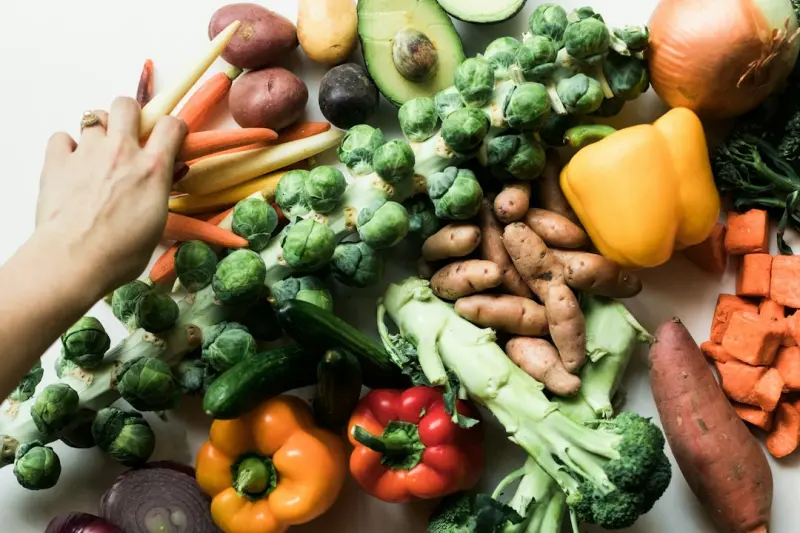
In contrast, plant‑based snacks rich in fiber, healthy fats, and protein deliver a slow‑release fuel that steadies blood sugar. Think roasted chickpeas, sliced apple with almond butter, or a small bowl of quinoa‑fruit salad. The difference isn’t just in the macro‑nutrient profile; it’s in how those nutrients interact with the gut microbiome, which in turn modulates inflammation, mood, and even the clarity of our thought processes.
Why the Micro‑Choices Matter More Than You Think
There’s a tempting narrative that grand gestures—like a month‑long wellness retreat—are the silver bullet for workplace health. While those experiences can be transformative, the day‑to‑day reality for most professionals is a series of tiny decisions. A study highlighted in Micro‑Habits, Macro Impact showed that a single, deliberate habit—like swapping a soda for sparkling water—can improve hydration status and reduce caffeine‑induced jitters, leading to a measurable uptick in focus over a six‑week period.
What this tells us is that health isn’t a monolith; it’s a mosaic built from the crumbs we leave on our desks, the breaths we take between Zoom calls, and the moments we allow ourselves to truly pause. By treating each micro‑choice as a lever, we can fine‑tune our personal performance engine without the need for a massive overhaul.
The Plant‑Based Snack Arsenal
Below is a quick‑reference list of snack ideas that are both office‑friendly and scientifically backed to sustain cognitive function:
- Roasted Seaweed & Pumpkin Seeds – A salty, mineral‑rich bite that supplies iodine for thyroid health and zinc for immune support.
- Greek Yogurt with Berries – Probiotic‑laden dairy paired with antioxidants to combat oxidative stress.
- Homemade Trail Mix – Combine raw nuts, unsweetened dried fruit, and a sprinkle of dark chocolate chips for a balanced mix of healthy fats, fiber, and a mood‑lifting dose of flavonoids.
- Veggie Sticks & Hummus – Fiber from carrots or celery and plant‑protein from chickpeas keep blood sugar stable.
- Matcha Green Tea – Offers a gentle caffeine lift plus L‑theanine, which promotes relaxed alertness.
Each of these options can be prepared in under ten minutes and stored in a reusable container—perfect for the eco‑conscious professional who also wants to reduce the mental load of “what’s for snack?”
Beyond Food: Pairing Snacks with Strategic Breaks
Nutrition alone isn’t a panacea. The real magic happens when you align your snack timing with intentional micro‑breaks. Here’s a simple framework I’ve adopted:
- Pre‑Focus Fuel – 30 minutes before a deep‑work session, enjoy a small portion of nuts and a cup of matcha. This primes your brain with steady energy and the calming effect of L‑theanine.
- Mid‑Cycle Reset – After 90 minutes of concentrated work, stand, stretch, and sip a glass of water infused with cucumber slices. The hydration supports neuro‑transmitter synthesis, while the movement clears the mental slate.
- Post‑Sprint Replenish – Following a high‑intensity meeting or brainstorming sprint, reach for Greek yogurt and berries. The protein helps repair any stress‑induced cortisol spikes, and the antioxidants aid recovery.
This rhythm mirrors the natural ultradian cycles our bodies follow—roughly 90‑minute peaks of alertness followed by troughs. By feeding the brain at the right moments, we align our physiological rhythm with work demands, minimizing burnout.
Connecting the Dots: Digital Wellness Meets Nutritional Intent
We’ve all seen the headline about Screen Fatigue and the cascade of eye strain, disrupted sleep, and mental fog that follows. While the article rightly focuses on reducing blue‑light exposure and implementing device‑free windows, it doesn’t explore how nutrition can amplify those benefits.
When you combine a screen‑free interval with a nutrient‑dense snack, you’re giving the brain two synergistic recovery tools: a visual rest and a metabolic reset. For example, a short walk outside while munching on a banana supplies both a dopamine boost from the fruit’s natural sugars and a dose of sunlight, which helps regulate circadian rhythms disrupted by prolonged screen time.
Creating a Snack‑Friendly Workspace Culture
One barrier many companies face is the perception that “healthy snacks” are a perk reserved for the wellness‑obsessed. To democratize this, consider the following low‑cost, high‑impact initiatives:
- Snack Swaps – Replace the office candy jar with a communal bowl of mixed nuts and dried fruit. Encourage employees to contribute a small portion each week, fostering ownership.
- Micro‑Learning Sessions – Host 10‑minute lunch‑break talks on topics like “Reading Nutrition Labels” or “The Science of Gut‑Brain Connection.” Pair the session with a matching snack for experiential learning.
- Transparent Ingredient Boards – Place a small whiteboard near the pantry listing the macro‑nutrient breakdown of each snack option. Transparency empowers choices and sparks conversation.
- Digital Reminder Bots – Use a Slack integration that nudges teams to “Refuel mindfully” at the 90‑minute mark, linking to a quick recipe or snack suggestion.
These steps not only improve individual health outcomes but also reinforce a culture where well‑being is woven into the fabric of daily operations, rather than an after‑thought.
Measuring Impact Without Obsessing Over Numbers
It’s tempting to track every calorie or run a weekly health survey, but the most sustainable metrics are qualitative:
- Energy Levels – Ask yourself: Do I feel a “crash” after lunch, or can I maintain focus until the afternoon?
- Mood Stability – Notice if irritability spikes after sugary snacks versus after a balanced bite.
- Physical Comfort – Are you experiencing fewer headaches or eye strain when you pair screen breaks with nutrient‑rich refuels?
When these subtle signals trend upward, you’ve likely cracked the code of sustainable office nutrition.
Looking Ahead: The Future of Food‑First Productivity
Emerging research points to a fascinating intersection of nutrition science, neuro‑technology, and workplace design. Imagine a smart desk that detects when your blood glucose dips (through a discreet, wearable sensor) and automatically suggests a snack from a curated list—complete with a QR code to an internal recipe page.
While such integrations may still be on the horizon, the principle remains timeless: our bodies are the ultimate interface for productivity. By feeding them thoughtfully, we unlock a level of clarity and resilience that no software update can replicate.
So the next time you reach for that candy bar, pause. Consider the ripple effect of a simple, plant‑based swap—not just for your waistline, but for the quality of every idea you’ll generate, every conversation you’ll lead, and every problem you’ll solve. Your desk is more than a work surface; it’s a launchpad for a healthier, sharper you.

Related Posts

Micro‑Movements at the Desk: Tiny Actions, Big Health Gains
Learn practical micro‑movement routines, tech tools, and nutrition tips to keep your body and mind... Read More
Rewire Your Rhythm: Harnessing Chronobiology for Everyday Vitality
Learn how aligning meals, light exposure, exercise, and sleep with your body’s natural clock can t... Read More

Why Forest Bathing Is the Hidden Health Booster You Need
Explore the science and simple steps behind forest bathing, a nature‑based practice that strengthe... Read More
Top Posts

Riding Google’s 2024 AI Wave: Rose DesRochers’ Insider Playbook for Marketers
Rose DesRochers shares her insider playbook for navigating Google’s 2024 AI wave, revealing how marketers can adapt, optimize, and thrive in the new search la...Read More

Crafting Quiet Zones: Simple Acoustic Hacks for a Calmer Home
Learn how to design effective quiet zones with DIY panels, soft surfaces, and smart layout tips, turning any home into a calmer, more focused sanctuary....Read More

Riding the Google AI Wave: Rose DesRochers’ Insider Perspective on the Latest Revolution
Rose DesRochers shares her insider take on Google’s AI wave, detailing Gemini’s authenticity leap, SEO impacts, privacy concerns, and the future of AR‑dri...Read More

Ambient Computing: The Silent Engine Powering Modern Enterprises
Ambient computing embeds intelligent services into everyday tools, creating seamless, context‑aware experiences that boost efficiency and innovation across th...Read More
0 Comments
Post Comment
You will need to Login or Register to comment on this post!