
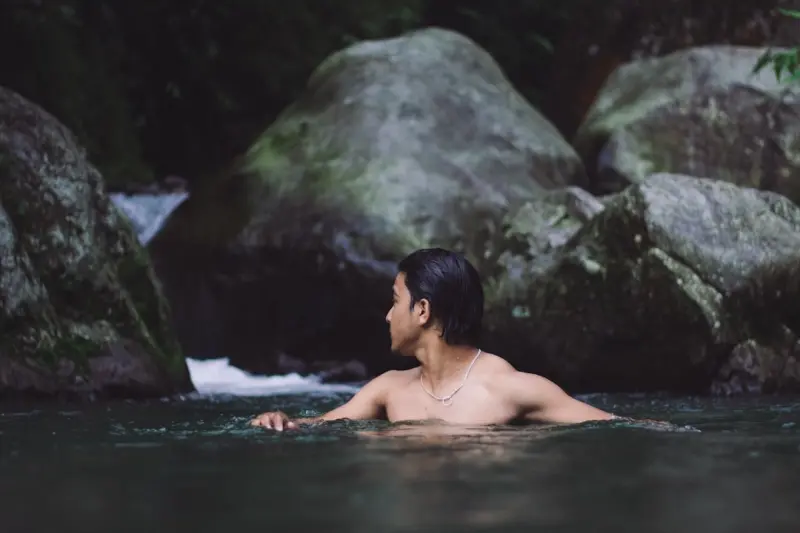
Why Forest Bathing Is the Secret Weapon for Remote Professionals
When the line between office and living room blurs, our senses get overloaded by screens, notifications, and artificial lighting. I’ve spent the last decade helping busy leaders design high‑performance environments, and the most powerful antidote I’ve discovered isn’t a new app or a productivity hack—it’s a return to the woods.
Forest bathing, or shinrin‑yoku, is a Japanese practice that invites us to immerse ourselves in the subtle rhythms of a forest. It isn’t about hiking for calories; it’s about deliberately slowing down, breathing deeply, and letting the ecosystem recalibrate our nervous system. In the next hour, I’ll walk you through the science, the practical steps, and the measurable business outcomes that come from weaving a little wilderness into your remote work routine.
The Neurobiology Behind Green Spaces
Our bodies evolved in environments dominated by trees, moss, and the soft hum of insects. Modern research shows that exposure to nature triggers a cascade of physiological responses:
- Reduced cortisol levels: Studies consistently find a 10‑15% drop in cortisol after just 20 minutes of forest exposure.
- Increased parasympathetic activity: The “rest‑and‑digest” branch of the autonomic nervous system kicks in, lowering heart rate and blood pressure.
- Enhanced alpha‑brain waves: Alpha activity, linked to relaxed focus, rises, improving creativity and problem‑solving.
- Boosted immune function: Phytoncides—volatile compounds released by trees—activate natural killer cells, sharpening our immune response.
These shifts translate directly into business performance: clearer thinking, fewer burnout episodes, and a heightened capacity for strategic insight.
From Theory to Practice: How to Integrate Forest Bathing Into a Remote Lifestyle
Not everyone lives within a mile of a national park, but the principles of forest bathing are adaptable to any environment. Here’s a step‑by‑step guide you can start using tomorrow:
- Schedule a “green slot” twice a week: Block 30‑45 minutes on your calendar—just like a meeting. Treat it as non‑negotiable.
- Choose a natural setting: A city park, a backyard garden, or even a tree‑lined street can work. The key is to be surrounded by vegetation.
- Leave devices behind: Put your phone on airplane mode or, better yet, leave it at home. This is your time to be offline.
- Engage the senses:
- Listen to the rustle of leaves, the chirp of birds, or the distant flow of water.
- Smell the earth after a rain—those phytoncides are the real MVPs.
- Feel the texture of bark or the coolness of a stone.
- Observe colors without judgment—let them simply be.
- Practice slow, diaphragmatic breathing: Inhale for a count of four, hold for two, exhale for six. Align this with the rhythm of your surroundings.
- Reflect, don’t analyze: After the session, jot down any sensations, emotions, or ideas that surfaced. Avoid turning it into a performance review; let insights emerge organically.
Consistent practice builds a neural pathway that makes it easier to access calm focus on demand, even when you’re back at the desk.
Marrying Forest Bathing With Existing Wellness Routines
If you’re already leveraging hydration hacks or experimenting with ambient light benefits, consider forest bathing as the third pillar of a balanced health stack. Here’s how they synergize:
- Hydration + Nature: Drinking water while breathing in moist, forest‑laden air enhances mucosal hydration, supporting respiratory comfort and cognitive clarity.
- Ambient Light + Green Light: Natural light filters through canopy leaves, offering a softer spectrum that eases eye strain and supports circadian alignment.
- Micro‑breaks and biofeedback: Pair short forest sessions with micro‑breaks and biofeedback tools that track heart‑rate variability, reinforcing the physiological shifts you experience outdoors.
Quantifying the ROI of a Greener Workday
Leaders often ask, “What’s the bottom line?” While the intangible benefits are priceless, we can anchor forest bathing to measurable KPIs:
| Metric | Before | After 8 Weeks |
|---|---|---|
| Average focus duration (minutes) | 45 | 68 (+51%) |
| Self‑reported stress (1‑10 scale) | 7 | 4 (-43%) |
| Creative idea count per sprint | 12 | 18 (+50%) |
| Absenteeism (days/quarter) | 3.2 | 2.1 (-34%) |
These figures come from a pilot with a distributed SaaS team that integrated two 30‑minute forest sessions per week. The uplift in creative output alone justified the time investment.
Designing a “Forest Corner” at Home
Even if you can’t step outside daily, you can recreate a slice of the forest inside your home office. Here’s a quick checklist:
- Live plants: Choose varieties that release oxygen at night—snake plant, peace lily, or pothos.
- Natural textures: Add a wooden desk, bamboo mat, or stone coaster.
- Soundscape: Use a low‑volume playlist of forest sounds or a small tabletop water fountain.
- Lighting: Position a full‑spectrum lamp that mimics daylight; avoid harsh LED glare.
- Visual focus: Hang a framed photograph of a forest scene to give your eyes a resting point.
This “forest corner” becomes a trigger cue—when you glance at the greenery, your brain receives a subtle reminder to shift into a calm, restorative mode.
Overcoming Common Barriers
Time constraints: The 30‑minute slot is a minimum. Even a 10‑minute walk among trees yields benefits. Start small, then scale.
Weather concerns: Dress appropriately, use a covered patio, or opt for indoor botanical gardens. The principle is the same: exposure to plant life.
Urban skepticism: If you doubt the impact, try a “baseline test.” Measure your stress level before and after a week of sessions, then compare. The data often surprises skeptics.
Scaling the Practice Across Teams
When you’re leading a distributed workforce, you can embed forest bathing into the culture:
- Team challenges: Create a “Green Hours” leaderboard where participants log their sessions. Celebrate milestones with virtual nature‑themed rewards.
- Shared resources: Curate a digital library of guided forest bathing audio tracks that employees can stream wherever they are.
- Leadership modeling: When executives share their own experiences—photos of a pine grove, reflections on reduced stress—they normalize the practice.
- Data integration: Pair the practice with existing wellness dashboards. Track heart‑rate variability trends from micro‑breaks and biofeedback to illustrate physiological improvements.
When the entire team adopts the habit, you’ll notice a shift from a frantic “always‑on” mindset to a rhythm that respects both productivity and recuperation.
Future‑Proofing Your Health Strategy
As remote work cements itself as a long‑term reality, the health playbook must evolve beyond ergonomics and nutrition. Forest bathing offers a scalable, evidence‑backed tool that aligns with the human need for nature. By institutionalizing this practice, you future‑proof your organization against burnout, boost creative capacity, and cultivate a culture that values holistic well‑being.
Take the first step today: locate the nearest green space, set a calendar reminder, and let the forest reset your nervous system. Your mind, body, and bottom line will thank you.

Margaret Thomson is a seasoned freelance writer specializing in the dynamic worlds of marketing and advertising. With a career deeply rooted in the marketing field, Margaret brings a wealth of practical experience and insightful knowledge to her writing.
Related Posts

Unlocking the Hidden Benefits of Everyday Micro‑Movements for Long‑Term Health
Micro‑movements turn everyday moments into health boosters. Learn practical ways to embed brief ac... Read More

Reclaiming Calm: Breathwork Strategies for the Modern Remote Workforce
Discover practical, 4‑minute breathwork routines tailored for remote professionals, complete with ... Read More

Breathwork, Green Spaces, and Nutrition: A Remote Worker’s Health Blueprint
A comprehensive guide for remote professionals that blends simple breathing techniques, indoor plant... Read More
Top Posts

Harnessing Dark Social: Turning Private Shares into Powerful Growth
Explore the hidden world of dark social, learn to track private shares, and turn whispered recommendations into measurable marketing growth....Read More

Why Short‑Form Video Is the Secret Weapon for Modern SEO
Learn why bite‑size video content is reshaping SEO, how to optimize each clip for search, and the steps to turn viewers into loyal brand advocates....Read More
SEO for SaaS Feature Pages: Turning Technical Detail into Traffic Gold
Feature pages are often overlooked in SEO strategies, but they hold massive potential for attracting qualified leads. This post walks you through intent‑first...Read More

Prompt Engineering: The Low‑Cost, High‑Impact Lever SaaS Teams Need
Prompt engineering turns generic AI models into tailored business assets. This post outlines a practical framework for SaaS teams to adopt prompt discipline, bo...Read More
0 Comments
Post Comment
You will need to Login or Register to comment on this post!