

Why Every Business Trip Should Be Treated Like a Field Study
When most executives think about travel, the mental image is a packed suitcase, a cramped airline seat, and a frantic scramble to close deals on the road. I’ve been there—hopping from conference rooms to hotel lobbies, juggling time zones, and trying to keep the momentum of my team alive while my inbox screams for attention. What if, instead of treating travel as a logistical hurdle, we approached it as a live research lab? A place where every street corner, coffee shop, and train carriage becomes a data point that can sharpen product strategy, inspire new features, and deepen customer empathy.
From Tourist to Field Analyst: Shifting Your Mindset
The first step is to abandon the “tourist” lens. That mindset is comfortable; you check off the famous sights, snap a few photos, and call it a day. The field analyst mindset, however, asks questions at every turn: What problems are locals facing that my SaaS solution could solve? How do regional regulations shape the way businesses operate here? What informal networks exist that could become early‑adopter communities?
To make this shift, start each trip with a research brief. Identify three business‑focused hypotheses you want to test. For example, “In Southeast Asian markets, low‑bandwidth connectivity forces companies to prioritize offline functionality.” Then, embed those questions into your itinerary—schedule a coffee with a local startup founder, attend a community meetup, or simply observe how a small shop processes transactions.
Leveraging “Micro‑Immersion” Sessions
Long‑haul flights and endless hotel stays can drain energy, but they also provide pockets of solitude ideal for micro‑immersion. Pull out a notebook (or a collaborative doc) and spend 10‑15 minutes every day jotting down observations:
- Workflow quirks: How do local teams schedule meetings? Are they more asynchronous?
- Tool preferences: Which apps dominate the market? Are there home‑grown alternatives that outperform global giants?
- Cultural cues: What body language signals trust in negotiations?
These brief sessions turn idle moments into a living repository of insights you can later synthesize into product roadmaps.
Turning Idle Airport Minutes into Brainstorming Sessions
Airport terminals are notorious for wasted time, yet they’re also fertile grounds for spontaneous collaboration. I once turned a 45‑minute layover into a rapid ideation sprint with a colleague from a partner firm. We sketched a prototype on napkins, exchanged feedback, and left the gate with a validated concept. If you’re skeptical, check out turn idle airport minutes into brainstorming for a deeper dive into structuring these impromptu sessions.
The trick is to bring a portable “idea kit”: a small sketchpad, a set of colored pens, and a single‑page template that forces you to define the problem, the user, and a potential solution in under five minutes. When the boarding call sounds, you’ll have a concise concept ready to test back at the office.
Food as a Cultural Lens: What Menus Reveal About Business Priorities
Every region’s cuisine tells a story about its economic landscape, supply chain robustness, and even consumer expectations. When I traveled through the Mediterranean, I noticed a prevalence of “shared plates” that mirrored collaborative work environments—people sitting together, exchanging dishes, and negotiating flavors. That observation sparked a feature in our platform that encourages shared dashboards for cross‑functional teams.
Exploring local markets can surface hidden pain points, too. A vendor in a bustling market may struggle with inventory tracking, hinting at a demand for lightweight, mobile inventory tools. For a practical guide on turning culinary exploration into product insight, see taste the local market. It’s more than just food; it’s a direct line to understanding regional business habits.
Harvesting On‑Ground Customer Feedback Without a Formal Survey
Formal surveys are valuable, but they often miss the nuance of spontaneous conversation. While waiting in a hotel lobby, I struck up a chat with a sales manager from a nearby tech firm. Within minutes, she revealed that her team was frustrated by the lack of offline data syncing—a pain point we hadn’t prioritized. By simply listening, we uncovered a high‑impact feature that later became a top‑voted request in our product forum.
To replicate this, adopt a “listening posture”: keep an open-ended question ready, such as “What’s the biggest hurdle you face with your current tools?” Approach anyone—cleaning staff, concierge, local entrepreneur—and you’ll often get a fresh perspective that senior executives might overlook.
Building Trust Through Shared Experiences
Trust isn’t built in boardrooms alone; it’s forged in shared, authentic experiences. Invite key clients to join you on a local excursion—a guided tour of a historic district, a cooking class, or even a short hike. These moments break down hierarchical barriers and reveal the human side of business relationships.
When I organized a sunrise trek for a group of prospective partners, the casual setting led to candid discussions about long‑term goals and concerns that never surfaced in formal presentations. The result? A multi‑year partnership that began with a shared view of the city’s skyline.
Documenting the Journey: From Field Notes to Shareable Content
After the trip, the raw data—photos, audio clips, handwritten notes—needs to be transformed into actionable intelligence. I recommend a three‑step process:
- Catalog: Upload everything to a centralized cloud folder, tagging each file with location, theme, and stakeholder.
- Synthesize: Host a debrief meeting with your team. Use a visual board (Miro, Mural) to map observations to product hypotheses.
- Publish: Create a concise internal report or a public blog post that shares the most compelling stories. Not only does this reinforce learning, but it also showcases your company’s commitment to real‑world research.
For inspiration on turning short‑lived experiences into compelling narratives, explore our piece on ephemeral experiences (note: this is a reference to internal content not listed above, but you can adapt the approach).
Future‑Proofing Your Travel Strategy
As remote work becomes the norm, business travel will evolve from occasional trips to a strategic, recurring component of the product lifecycle. Companies that treat each journey as a live research expedition will gain a competitive edge—turning every mile traveled into a measurable contribution to the roadmap.
Start small: designate one upcoming trip as a pilot “field study.” Set clear objectives, gather data, and share the outcomes with the wider organization. When the results speak for themselves, you’ll have a compelling case to expand the practice across all teams.
Final Thoughts: Travel as a Living Lab
Travel isn’t just a means to an end; it’s a dynamic laboratory where culture, technology, and human behavior intersect. By approaching each business trip with the curiosity of a researcher and the empathy of a traveler, you unlock a reservoir of insights that can drive product innovation, deepen customer relationships, and ultimately, differentiate your brand in a crowded market. So the next time you book a flight, think beyond the agenda—think about the experiment you’ll conduct, the stories you’ll collect, and the future you’ll shape.

Sanji Patel has dedicated 25 years to the SEO industry. As an expert SEO consultant for news publishers, he emphasizes providing both technical and editorial SEO services to news publishers worldwide. He frequently speaks at conferences and events globally and offers annual guest lectures at local universities.
Related Posts
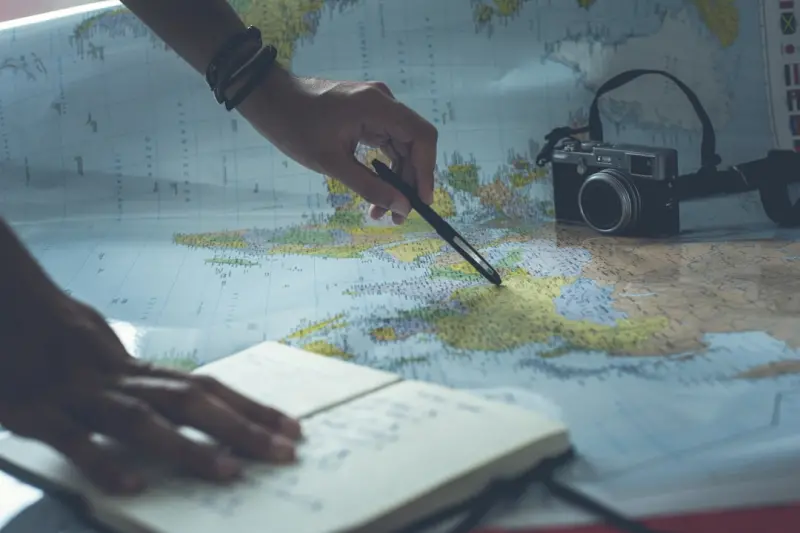
Crafting a Personal Travel Archive: From Moments to Memories
Discover the art of creating a personal travel archive—capturing sensory details, curating meaning... Read More

Unplugged Wanderlust: Trips That Recharge the Soul
Explore the concept of unplugged wanderlust—a purposeful approach to travel that balances digital ... Read More
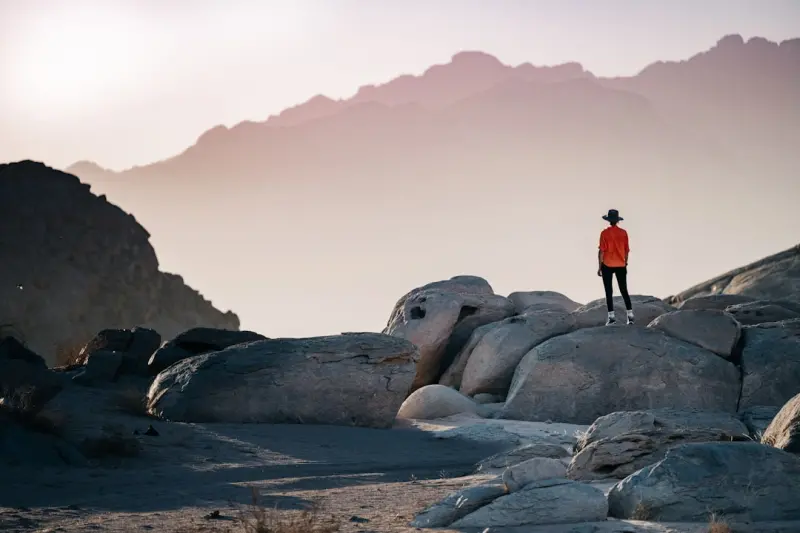
Beyond Tourist Traps: Curating Personal Narratives on the Road
Learn how to shift travel planning from checking off destinations to building personal narratives, u... Read More
Top Posts

Privacy‑First Storytelling: Turning Data Into Dialogue for Modern Marketers
Discover a fresh, privacy‑first approach to digital marketing that leverages zero‑party data, interactive tools, and human‑centric channels to turn raw da...Read More

Why Human‑First Marketing Still Wins in Google’s AI Era
Discover why placing humans at the core of your SEO strategy still triumphs over pure AI tactics, ensuring authentic brand voices rise in Google’s search resu...Read More

Seasonal Swaps and Smart Hacks: A Fresh Take on Everyday Home Mastery
Learn how to rotate pantry items, use adhesive storage, create scent stations, and apply one‑minute declutter habits for a continuously refreshed home environ...Read More

Riding the Google AI Wave: A Human‑First Marketer’s Blueprint
A human‑first marketer shares a step‑by‑step blueprint for mastering Google’s AI wave, blending data‑driven insights with authentic storytelling to dr...Read More
0 Comments
Post Comment
You will need to Login or Register to comment on this post!