
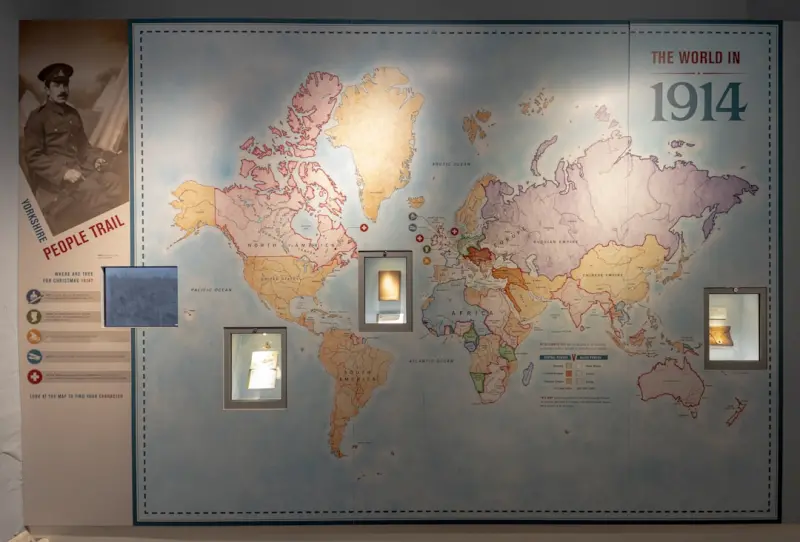
Why Flavor Maps Redefine Modern Travel
When I first swapped a traditional itinerary for a palate‑first approach, the world seemed to unfold in layers I had never imagined, each bite acting like a compass pointing toward hidden neighborhoods and untold histories. Food becomes the most authentic guidebook, revealing street‑side stalls that never appear in glossy brochures and family‑run kitchens that hold generational secrets. By treating flavors as coordinates, I turned ordinary train rides into sensory expeditions, where the aroma of fresh‑baked focaccia signaled a sudden detour into a centuries‑old market square. This mindset sparked a habit of sketching “flavor maps” on napkins, noting the tang of citrus in a coastal town before the sunrise, the smoky depth of a mountain‑region stew after dusk, and the subtle spice blend that whispered of centuries‑old trade routes.
Building a Personal Flavor Atlas
Creating a personal flavor atlas starts with a simple notebook, a pen, and an insatiable curiosity about how taste intertwines with culture, geography, and seasonality. I record the dish’s name, its primary ingredients, the vendor’s story, and a quick rating of how it made me feel, turning each entry into a miniature narrative. Over time, patterns emerge: citrus notes dominate coastal routes, while earthy mushrooms surface in high‑altitude villages, guiding future journeys without relying on generic “must‑try” lists. The process feels like curating a private museum where every exhibit is edible, and every exhibit tells a story louder than any travel brochure could. For those who love data‑driven planning, pairing this notebook with a spreadsheet can reveal hidden correlations, such as the surprising prevalence of fermented foods in regions known for their maritime trade.
Sensing the City Beyond Sight
Travel is often reduced to visual checklists, but the most memorable moments arrive through sound and scent, prompting me to explore the concept of sensory immersion techniques that many tourists overlook. In a bustling Bangkok market, the clatter of wok‑stirring and the perfume of lemongrass created a rhythm that made the city’s heartbeat tangible, while in a quiet Alpine village, the crisp pine‑scented air after a snowfall felt like stepping into a living postcard. By deliberately pausing to breathe in the local aromas and listen to ambient noises—whether it’s the distant call to prayer or the gentle lapping of waves—I discovered a richer, more intimate portrait of place. These auditory and olfactory cues often guide me toward hidden eateries where the locals gather, turning a simple snack into a cultural immersion.
From Street Stalls to Table‑Top Stories
Every dish I encounter carries a narrative thread that connects farmers, fishermen, and cooks across generations, and I make it a point to trace those threads back to their source whenever possible. When I sampled a humble bowl of ramen in a cramped shop, I learned that the broth simmered for twenty‑four hours using bones sourced from a nearby coastal town, where families have fished the same waters for centuries. In Morocco, the tagine’s complex spice blend revealed a history of caravans that once traded saffron, cumin, and cinnamon across desert routes, each spice a souvenir from a distant market. By asking vendors about these origins, I not only enrich my own understanding but also support storytellers who keep culinary traditions alive. This dialogue transforms a simple meal into a living conversation, turning each bite into a lesson in heritage.
Leveraging Technology Without Losing the Human Touch
While the core of my flavor‑first travel is analog—pen, paper, and conversation—technology acts as a subtle enhancer, allowing me to catalog and revisit experiences with ease. A lightweight note‑taking app lets me photograph a dish, tag its location, and add a voice memo describing the first impression of its taste, creating a multimedia archive that feels more vivid than text alone. Yet I remain cautious not to let screens dominate the moment; the goal is to capture the essence, not replace it. When I do need a quick reference, I turn to curated platforms that aggregate user‑generated flavor maps, but I always cross‑check with my own observations to ensure authenticity. This balanced approach lets me stay present while building a digital repository that can be shared with fellow explorers.
Connecting Flavors to Sustainable Practices
One unexpected benefit of focusing on flavors is the heightened awareness of sustainability, as I begin to notice the ecological footprints behind each ingredient. In coastal towns where fish is a staple, I favor dishes sourced from small‑scale fisheries that practice seasonal catches, reducing overfishing pressure on vulnerable stocks. In inland regions, I seek out farm‑to‑table eateries that prioritize heirloom vegetables grown without synthetic pesticides, supporting biodiversity and soil health. By choosing meals that align with responsible sourcing, I contribute to a ripple effect that rewards ethical producers and preserves culinary heritage for future travelers. This conscious consumption also deepens my connection to place, as each responsibly sourced bite tells a story of stewardship and respect for the land.
Collaborating with Locals: A Two‑Way Exchange
True flavor exploration thrives on collaboration, inviting locals to become co‑curators of the journey rather than mere providers. I often propose a “cook‑and‑learn” session, where I assist a family kitchen in preparing a traditional dish in exchange for a deeper insight into its cultural significance. These intimate workshops break down language barriers, fostering genuine relationships that extend beyond the plate. In return, I share my own culinary background, offering fresh perspectives that sometimes inspire locals to experiment with new techniques while honoring their roots. Such exchanges transform a solitary travel experience into a shared narrative, enriching both parties and creating memories that linger long after the last spoonful.
Turning the Flavor Map into Future Adventures
At the end of each trip, I spread my collection of napkin sketches, notes, and photos across a large table, arranging them like puzzle pieces that hint at the next destination. Patterns emerge: a recurring love for smoky chilies points me toward regions famed for chipotle, while a fondness for fermented vegetables nudges me toward Korea’s kimchi markets. This visual collage becomes a living roadmap, guiding my future wanderings with the same curiosity that sparked the original journey. By continuously updating the map, I maintain a dynamic record that evolves with my palate, ensuring that every new adventure feels both familiar and fresh. In this way, the flavor map is not just a record of past meals, but a catalyst for endless exploration.

David Moore is a freelance writer specializing in two dynamic and ever-evolving fields: gambling and the tech industry. With a keen eye for detail and a knack for unraveling complex topics, David delivers insightful and engaging content that keeps readers informed and entertained.
Related Posts

Micro‑Adventure Travel: Turning Weekend Getaways into Epic Stories
Micro‑adventures turn ordinary weekends into extraordinary stories, offering affordable, local esc... Read More
Hidden Paths: How Small Detours Turn Trips into Stories
Travel isn’t just about famous landmarks; it’s about the small, unexpected moments that reshape ... Read More

Unplugged Adventures: How to Craft a Digital‑Free Getaway that Revives the Soul
A guide to designing a screen‑free travel experience that reduces stress, enhances local connectio... Read More
Top Posts

Semantic SEO: Future‑Proofing Content for AI‑Driven Search
Learn to shift from keyword stuffing to semantic strategies, using entity graphs, structured data, and AI‑aligned link building to dominate the next generatio...Read More
When Communities Drive Revenue: A New Playbook for B2B SaaS Marketers
Discover why shifting from funnel‑centric tactics to a community‑first strategy is the key to sustainable B2B SaaS growth, with practical steps, real‑worl...Read More
Breathe Easy: Simple Home Hacks for Healthier Air
Learn practical, low‑cost strategies to enhance indoor air quality—from natural ventilation and plant power to humidity control and simple maintenance habit...Read More

Micro‑Movements, Breath, and Light: The Hidden Trio Boosting Workplace Health
Learn practical micro‑movements, breath resets, and lighting tweaks that fit into any workday, enhancing focus, reducing stress, and improving overall wellbei...Read More
0 Comments
Post Comment
You will need to Login or Register to comment on this post!