
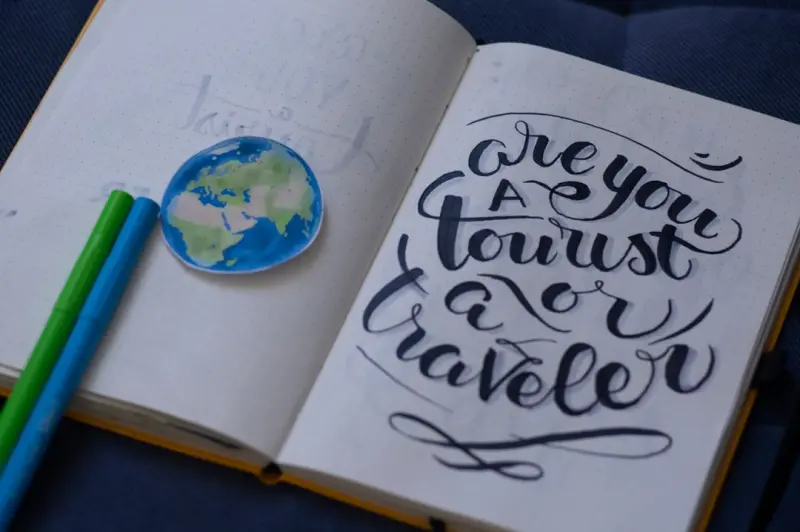
When I first stepped off the rickety ferry in a remote archipelago, the salty wind hit me harder than any conference keynote ever could. I wasn’t there to close a deal or chase the next KPI; I was there to feel. That feeling—an almost visceral connection to people I’d never met and places I’d never imagined—became the seed of a new leadership philosophy I call Travel‑Backed Empathy. In a world where digital interactions dominate, the tactile, messy, and often unpredictable nature of travel offers a rare antidote: a chance to practice genuine listening, to see beyond the spreadsheet, and to bring that humility back into the boardroom.
Why Empathy Matters in Global Business
Empathy isn’t a buzzword; it’s a measurable driver of performance. Teams that feel understood are 30% more engaged, and culturally intelligent leaders report higher retention rates across borders. Yet, empathy is often taught through webinars and role‑playing exercises that feel sterile. Travel forces you to abandon your comfort zone, to navigate language barriers, and to confront the assumptions you’ve built around “the other.” Those moments—whether you’re lost in a bustling market or sharing a simple meal with a local family—strip away the corporate veneer and lay bare the human experience.
Research shows that leaders who regularly immerse themselves in diverse cultures make more inclusive decisions, leading to product innovations that resonate globally. It’s not about becoming a cultural anthropologist; it’s about allowing the rhythm of a new environment to recalibrate your internal compass.
From Airports to Boardrooms: Lessons Learned
My recent trips have taught me three core lessons that translate directly to leadership:
- Patience is a practice, not a virtue. Waiting for a delayed train in Kyoto taught me to sit with uncertainty—a skill that pays dividends during market volatility.
- Listening is louder than speaking. In a small café in Oaxaca, I spent an hour listening to a street vendor explain his supply chain. That story later inspired a more resilient vendor‑management strategy for our own operations.
- Context shapes perception. Seeing how a community in Reykjavik organizes its public spaces changed the way I think about user experience design—space isn’t just a backdrop; it’s an active participant.
These aren’t abstract musings; they’re concrete takeaways that have reshaped product roadmaps, client pitches, and even hiring criteria. When you bring those insights back, you’re not just sharing anecdotes—you’re delivering evidence‑based empathy that fuels smarter, more compassionate business decisions.
Designing Empathy‑Centric Travel Programs
Many companies now offer “learning trips” for their executives, but they often miss the mark by focusing on sightseeing instead of immersion. Here’s how to redesign those programs to maximize empathy:
- Purpose‑First Itineraries. Start with a clear empathy goal—whether it’s understanding a new market’s pain points or building cross‑functional trust. Align every activity, from a local workshop to a community dinner, with that goal.
- Co‑Creation with Locals. Invite local partners to co‑design the agenda. Their insights ensure you’re not just a tourist but a participant in a shared narrative.
- Reflective Debrief Sessions. Schedule structured debriefs each evening. Use prompts like “What surprised me about today’s conversation?” or “How does this challenge my current assumptions?” This solidifies the learning.
- Micro‑Immersions. Short, focused experiences—like a unplanned detour to a neighborhood market—often deliver deeper insights than full‑day tours.
- Link to Creative Outcomes. Pair travel insights with creative brainstorming sessions. For example, after a visit to a craft collective, host a workshop titled “From Hand‑Made to Hand‑Held” to translate cultural craftsmanship into product features.
When you embed empathy into the travel design itself, you move beyond surface‑level exposure to transformative learning.
Measuring Impact and Scaling
Just as we track conversion rates and churn, we can quantify the ROI of empathy travel:
- Pre‑ and Post‑Trip Surveys. Measure shifts in cultural intelligence scores, empathy indices, and confidence in cross‑cultural negotiations.
- Behavioral Metrics. Track changes in decision‑making speed, diversity of idea generation, and collaboration frequency across teams that participated.
- Business Outcomes. Correlate travel participation with metrics like market entry success, customer satisfaction in new regions, and employee retention in global offices.
Scaling doesn’t mean sending every leader abroad. It means creating a culture where travel insights are shared widely—through internal blogs, video diaries, and cross‑functional workshops. Think of it as a knowledge‑sharing pipeline that converts personal experiences into organizational assets.
Practical Tips to Start Today
If you’re eager to embed empathy without waiting for a budget‑approved retreat, try these low‑cost tactics:
- Local “Micro‑Trips.” Spend a weekend exploring a neighboring city’s cultural district. Observe how local businesses engage with their community.
- Virtual Cultural Exchanges. Pair up with a team in another region for a coffee chat. Use a shared language‑learning app to break the ice.
- Storytelling Sessions. Invite colleagues who have traveled to share one vivid, empathy‑focused story at the next all‑hands. Highlight the lesson learned, not just the scenery.
- Leverage Existing Content. Our own creative breakthroughs piece illustrates how sensory immersion can spark innovation—use it as a springboard for discussion.
- Flavor‑First Connections. Organize a tasting event featuring dishes from a market you visited. Food is a universal entry point to conversation, and it reminds us that business is ultimately about human connection.
Remember, empathy is a muscle. The more you flex it—through travel or even a thoughtfully curated local experience—the stronger it becomes.
Looking Ahead: A Roadmap for Empathy‑Driven Growth
As we chart the future of global business, the leaders who thrive will be those who can translate the messy, beautiful reality of travel into strategic advantage. By embedding empathy into every layer—from product design to customer service—you create a feedback loop where real‑world human insight continuously informs corporate strategy.
So the next time you book a flight, ask yourself: What am I really going to learn about the people I serve? And when you return, how will that learning shape the way you lead?

Related Posts

Unplanned Paths: How Spontaneous Travel Revitalizes the Explorer Within
Explore the art of spontaneous travel, from micro‑adventures and analog journaling to digital deto... Read More

Beyond the Bucket List: Crafting AI‑Powered Journeys That Feel Like Home
Explore a new travel paradigm where AI, sustainability, and human intuition combine to create hyperâ... Read More

Taste the World: A Food‑First Journey Across Continents
Discover how treating food as a compass leads to deeper, sustainable travel experiences, from market... Read More
Top Posts

Surfing Google’s AI Surge: Rose DesRochers’ Insider Playbook for 2024
Rose DesRochers reveals how marketers can ride Google’s AI surge in 2024, offering actionable audits, audience hacks, and ethical tactics to stay ahead of the...Read More

Designing a Portable Workstation for the Modern Nomad
Discover a step‑by‑step guide to creating a lightweight, efficient portable workstation, integrating rituals, sustainable habits, and local community insigh...Read More

Decentralized Identity: Reclaiming Control Online
Discover the power of decentralized identity, a self‑sovereign model that gives you control over your digital credentials, improves security, and transforms h...Read More

Uncovering the SEO Goldmine in Your API Documentation
API documentation often sits unseen in the SEO spotlight, yet it can capture high‑intent developer searches. This guide reveals practical steps—schema marku...Read More
0 Comments
Post Comment
You will need to Login or Register to comment on this post!