
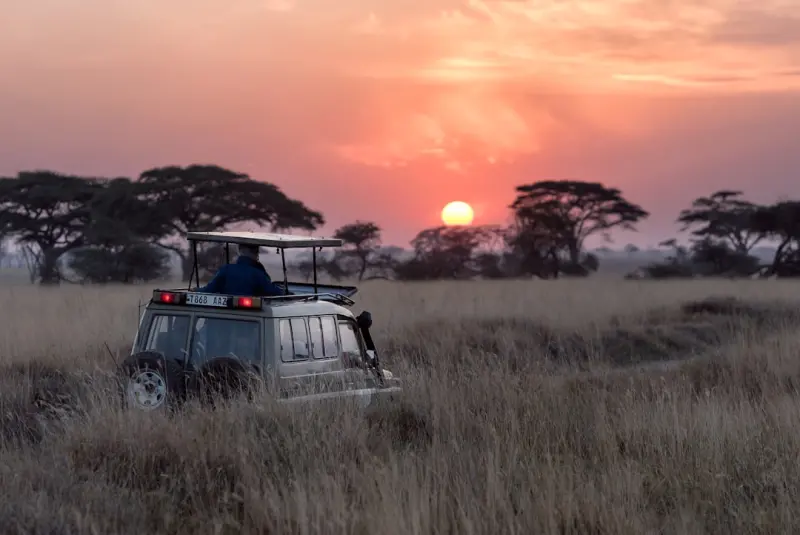
There’s a subtle magic that happens when you step off a plane, out of the airport’s sterile bustle, and into a place that smells of spice, sea‑salt, or pine. It’s not just a change of scenery—it’s a full‑body reboot that rewires how we think, feel, and create. I’ve spent the last decade hopping continents, and each trip has taught me that the most powerful travel experiences are the ones that engage every sense, not just the Instagram‑worthy view.
The concept of a “sensory safari”
Think of a safari, but instead of tracking lions, you’re tracking flavors, textures, sounds, and colors. A sensory safari is a deliberate itinerary built around tasting local dishes, listening to street musicians, feeling the grain of historic stone walls, and breathing in the unique aroma of each market. It’s a travel philosophy that says: don’t just see the destination—immerse your whole body in it.
Why the brain craves sensory overload
Our brains are wired for novelty. When you encounter a new scent, the olfactory bulb lights up and instantly triggers memories and emotions. A splash of citrus in a Moroccan souk can recall a childhood memory of a summer lemonade stand, while the rhythmic clatter of a Japanese train station can sharpen focus and boost dopamine. This Travel‑Triggered Curiosity is more than a buzzword—it’s a neurochemical catalyst that fuels problem‑solving and creative insight.
Designing a sensory itinerary
Most travel guides list “must‑see” landmarks, but a sensory safari starts with a different question: What will I feel? Here’s a step‑by‑step framework I use for every trip:
- Identify a signature scent. Research what locals say their city “smells like.” In Barcelona, it’s the sea mixed with grilled sardines; in Istanbul, it’s incense and roasted coffee beans.
- Map auditory hotspots. Seek out live music venues, street performers, or even the hum of a bustling market. A city’s soundtrack can set the tone for your entire stay.
- Curate tactile experiences. Touch is often overlooked. Whether it’s the cool marble of a cathedral floor or the warm weave of a hand‑woven rug, texture grounds you in the present moment.
- Plan culinary checkpoints. Choose dishes that highlight regional ingredients. Instead of the generic “pasta” in Italy, hunt down a small osteria that serves pasta alla bottarga—a salted fish roe delicacy that bursts with oceanic flavor.
- Allocate “quiet zones.” Not every moment needs stimulation. Find a garden, a quiet cafe, or a riverbank where you can process the sensory flood and let ideas simmer.
Case study: A week in Oaxaca, Mexico
I recently spent seven days in Oaxaca, deliberately following the sensory safari playbook. Day one began at the Zócalo, where the scent of fresh‑baked pan de yema mingled with the earthy perfume of nearby copal incense. I sat on a bench, closed my eyes, and let the layered aromas anchor my thoughts.
Mid‑morning, I wandered to a bustling market and followed the sound of marimbas and the chatter of vendors bargaining over chilies. I bought a handful of dried mezcal worms—not for consumption, but to feel the strange texture and contemplate the cultural stories they carried.
That evening, I joined a family for a cooking lesson. Rolling fresh masa by hand, I felt the grainy dough between my fingertips, an experience that sparked a new product feature idea for a SaaS platform: a tactile feedback module for remote collaboration tools, inspired by the way hands shape dough.
How sensory travel fuels professional innovation
When you return home, you often notice a shift—a fresh lens through which you view challenges. The brain’s default mode network, responsible for day‑dreaming and connecting disparate ideas, is supercharged after a sensory overload. This is why many entrepreneurs and creators swear by travel retreats.
In my own work leading product teams, I’ve introduced “sensory sprints”: short, immersive trips for small cross‑functional groups to a location chosen for its distinctive sensory palette. The goal isn’t to brainstorm in a conference room; it’s to let the environment seed ideas. One sprint in the vineyards of Bordeaux resulted in a new data‑visualization concept that mimicked the gradient of wine aging, ultimately improving our dashboard’s usability.
Balancing immersion with responsibility
While a sensory safari can be transformative, it also demands mindful travel practices. Here’s how to stay respectful and sustainable:
- Support local artisans. Purchase handmade goods directly from creators, ensuring money stays within the community.
- Mindful consumption. Sample food in moderation and avoid waste. When possible, choose restaurants that source ingredients locally.
- Respect auditory spaces. Not every street corner is a stage. Observe local customs about music volume and avoid disrupting sacred or quiet areas.
- Leave no trace. Whether you’re walking through a rainforest or a city park, carry out what you bring in.
Integrating sensory travel into a remote‑first lifestyle
For many, the idea of “travel” feels at odds with a remote work schedule. Yet, the rise of flexible work arrangements means you can design your calendar around short, intensive sensory trips. Consider a “micro‑retreat” of three days in a nearby town that offers a distinct sensory profile—a coastal village with salty breezes and sea‑shaped pottery, for instance.
During these micro‑retreats, set clear boundaries: allocate mornings for deep work in a local café with strong Wi‑Fi, afternoons for sensory exploration, and evenings for reflection. This rhythm mirrors the Nomadic Hub model but on a smaller, more frequent scale.
Practical tools to capture sensory data
Documenting your sensory experiences ensures the inspiration doesn’t fade. Here are a few low‑tech and high‑tech tools I rely on:
- Field journal. A small notebook for sketching textures, writing scent notes, and doodling sounds as musical notations.
- Voice memos. Use your phone to record ambient sounds or quick verbal reflections while you’re on the move.
- Photo metadata. Capture photos with detailed tags: location, weather, dominant scent, and emotional tone.
- Digital sensory map. Create a simple spreadsheet linking each day’s sensory highlights to potential business ideas or personal insights.
From sensory notes to actionable ideas
After a trip, set aside an hour to synthesize your observations. Ask yourself:
- Which sensory element sparked the strongest emotional response?
- What metaphor does that response suggest for my current challenges?
- How can I translate that metaphor into a tangible product feature or process improvement?
For instance, the rhythmic clatter of a train station in Kyoto reminded me of the need for smoother handoffs in our software development pipeline. The solution? Introducing a “sync pulse” notification system that mimics the regular, comforting cadence of train announcements, reducing uncertainty for developers awaiting code reviews.
Conclusion: Make every trip a sensory catalyst
Travel isn’t just a break from routine; it’s a laboratory for the senses that can reshape how you think, lead, and create. By designing trips that engage smell, sound, touch, taste, and sight, you give your brain the richest possible input, priming it for breakthroughs when you return to the office—or to your home office.
Next time you book a flight, ask yourself: What will I feel, hear, and taste? The answer could be the missing piece that turns a good idea into a great one.

In the world of freelance writing, where creativity and adaptability are paramount, Michelle Fisher stands out as a dedicated and versatile professional. With a passion for crafting compelling narratives and a keen eye for detail, Michelle has established herself as a trusted voice.
Related Posts
From Tourist to Change‑Maker: Crafting Purpose‑Driven Journeys
Learn how to transform ordinary vacations into purpose‑driven journeys by finding authentic volunt... Read More
Soundtrack Your Journey: The Science Behind Travel Playlists
Explore the neuroscience of travel playlists, learn a step‑by‑step curation method, and discover... Read More
Weekly Wanderings: How Tiny Trips Transform Your Mind and Work
Learn to turn travel into a weekly habit with simple planning, smart packing, and sensory journaling... Read More
Top Posts
Synthetic Data: The Hidden Engine Powering AI Innovation in B2B SaaS
Synthetic data offers SaaS companies a privacy‑safe, cost‑effective way to generate realistic training sets, accelerating AI development and enabling scenar...Read More
Empathy‑First Marketing: Turning Human Insight into Scalable Growth
Learn why putting genuine human insight at the heart of every campaign unlocks sustainable growth, and how to blend data, AR, and micro‑influencers into an em...Read More
Privacy‑First Digital Marketing: Thriving in a Cookieless World
In a world where browsers block third‑party cookies and users demand more privacy, SaaS marketers must pivot to first‑party data, contextual ads, and AI‑p...Read More
Winning Zero‑Click SERP for SaaS
Zero‑click search is reshaping SaaS acquisition. This post outlines a practical roadmap—structured data, answer‑first content, topic clusters, and brand p...Read More
0 Comments
Post Comment
You will need to Login or Register to comment on this post!