
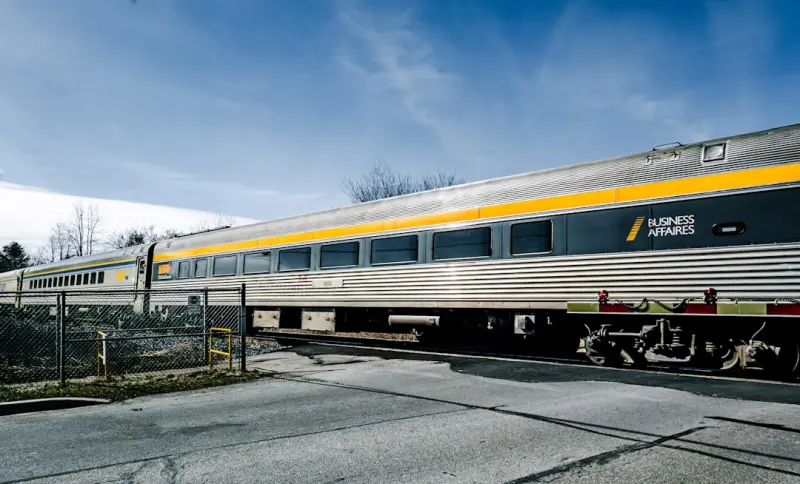
Rediscovering the Romance of Regional Rail: A Journey Beyond the Airport
When I first stepped onto a creaking wooden platform in a small town that smelled of fresh rain and pine, I felt something I hadn’t experienced in a decade of jet‑setting: a genuine pause. The train’s whistle cut through the morning hush, and for the first time since I traded my suitcase for a briefcase, I let the rhythm of the rails dictate the pace of my day. This is not a nostalgic ode to a bygone era; it is an invitation to re‑imagine travel through the humble, often‑overlooked veins of regional rail.
Why the Tracks Matter More Than Ever
Modern travelers are inundated with options: ultra‑fast flights, ride‑share apps, and the promise of “instant” experiences. Yet, the very speed that makes a trip convenient also erodes the texture of the journey. A 30‑minute flight can feel like a blip, whereas a two‑hour train ride offers windows into the landscape, opportunities for spontaneous conversation with strangers, and moments to reflect.
- Environmental stewardship: Trains emit a fraction of the carbon per passenger‑kilometer compared with aircraft, aligning travel with the growing demand for sustainable choices.
- Economic ripple: Money spent at regional stations fuels local businesses—cafés, artisan shops, and boutique hotels—that often get bypassed by airport‑centric tourism.
- Cultural immersion: The routes weave through small towns, vineyards, and historic districts, granting access to customs and stories that a quick layover would never reveal.
These benefits are not abstract. They translate into tangible experiences that reshape how we perceive distance, time, and the very act of moving.
Crafting a Rail‑Centric Itinerary
Designing a trip that hinges on regional trains may seem daunting, but a few guiding principles turn the process into a creative adventure:
- Map the “in‑between”: Identify corridors where the train connects multiple points of interest. For example, the line that snakes from the rolling hills of the Rhine Valley to the medieval towns of the Moselle offers a cascade of day‑trip possibilities.
- Prioritize stations with personality: Some stations are more than transit hubs; they house markets, art installations, or historic clock towers that set the tone for the surrounding neighborhood.
- Build flexibility into the schedule: Unlike flights, trains often run at regular intervals. Use this predictability to slot in spontaneous detours—perhaps a local festival that wasn’t on your original plan.
- Leverage technology without letting it dominate: Apps that aggregate real‑time train data are invaluable, but remember to unplug once you’re aboard. The clatter of the wheels and the changing scenery are the true guides.
When I applied this framework on a week‑long journey through the Bavarian countryside, each day unfolded like a chapter in a novel—no two chapters felt the same, yet they all contributed to a cohesive narrative.
Tech Tools That Enhance, Not Distract
While the allure of rail travel lies in its analog charm, a few digital tools can smooth out the logistical wrinkles. For instance, personalized trip recommendations powered by machine learning can suggest hidden stops based on your interests, without turning the experience into a data‑driven checklist.
Another surprising ally is the rise of short‑form travel videos. I discovered a community of creators who specialize in short-form travel clips that capture fleeting moments—a sunrise over a river bridge, a bustling morning market, or the quiet hum of a carriage passing a historic manor. These clips serve as visual bookmarks, reminding you of places you might otherwise overlook.
Stories from the Rails
Every regional line carries its own folklore. On the line between two mountain towns, a conductor once told me about the “ghost train” that appears only during the first snow of the season—a local legend that now guides my own storytelling. In another region, a vintage dining car still serves a century‑old recipe for apple strudel, a culinary link to the past that you’d never encounter on a high‑speed route.
These anecdotes illustrate a deeper truth: the journey itself becomes a repository of memories, not just a means to an end. When you step off at a station, you’re not merely arriving at a destination; you’re joining a continuum of travelers who have paused there before you.
Practical Tips for the Discerning Rail Traveller
- Pack light, but thoughtfully: A compact daypack with a reusable water bottle, a lightweight rain jacket, and a notebook will serve you well.
- Invest in a regional rail pass: Many countries offer multi‑day passes that provide unlimited travel on regional lines, often at a discount compared to point‑to‑point tickets.
- Embrace local cuisine on the go: Instead of the generic snack bar, try the station bakery or a nearby street vendor for an authentic taste of the region.
- Stay aware of timetables: While trains are generally punctual, seasonal maintenance can cause delays. Checking the schedule the night before helps avoid surprises.
- Engage with fellow passengers: A quick chat can reveal hidden gems—like a family‑run inn that isn’t listed online but offers the best local wines.
From the Rails to the Road: Integrating Multiple Modes
Regional rail doesn’t have to be the sole mode of transport. Pairing it with bicycles, for example, extends your reach into countryside trails that are inaccessible by train. Many European stations provide secure bike lockers, making it easy to hop off, ride a few miles, and hop back on.
For those who crave a splash of luxury, consider a “rail‑and‑spa” combo: a scenic train ride followed by a night at a boutique wellness retreat that sources its ingredients from the very fields you just passed. The synergy between the gentle motion of the train and the restorative ambiance of the spa creates a holistic travel experience.
Rewriting the Narrative of Modern Travel
The prevailing narrative equates travel with speed, novelty, and the relentless chase of new Instagram locations. By shifting focus to regional rail, we invite a counter‑story—one that values patience, depth, and the quiet dialogue between landscape and traveler.
It’s not a call to abandon airplanes altogether; it’s an invitation to sprinkle your itinerary with moments that allow you to breathe, observe, and connect. As the world continues to grapple with climate concerns and the desire for authentic experiences, regional rail offers a compelling, low‑impact alternative that satisfies both the wanderlust and the conscience.
So the next time you plan a getaway, ask yourself: what would the journey look like if it were measured in vistas rather than minutes? The answer may just be waiting on a modest platform, humming with the promise of discovery.

Margaret Thomson is a seasoned freelance writer specializing in the dynamic worlds of marketing and advertising. With a career deeply rooted in the marketing field, Margaret brings a wealth of practical experience and insightful knowledge to her writing.
Related Posts
Beyond the Guidebook: Crafting Unscripted Adventures in the Age of Instant Itineraries
A fresh take on travel that swaps rigid itineraries for spontaneous storytelling, offering practical... Read More

Hyper‑Personal Micro‑Itineraries: The New Way to Travel Light and Free
Learn why micro‑itineraries are reshaping travel, offering real‑time, personalized plans that le... Read More

Why Tiny Escapes Are the Next Big Thing in Travel
Micro‑escapes—brief, focused trips—are reshaping travel by offering intense cultural immersion... Read More
Top Posts

Off‑the‑Beaten‑Path Food Markets: A Traveler’s Sensory Safari
Unveil the world’s hidden food markets, learn packing hacks, micro‑exercise tips, and immerse yourself in sensory delights that transform any trip into a fl...Read More

AI‑Powered Decision‑Fatigue Relief: Reclaiming Focus for B2B SaaS Teams
Artificial intelligence can act as a cognitive off‑ramp, handling low‑level decisions to free up mental bandwidth for high‑impact strategy, driving faster...Read More

Supercharging SaaS with Google’s Generative AI APIs
This post reveals how SaaS companies can integrate Google’s generative AI services—Bard, Vertex AI, and PaLM—into knowledge bases, data pipelines, and c...Read More

Edge‑First Architecture: Cutting Latency for Global SaaS Success
Edge‑first architecture moves compute and data closer to users, slashing latency, enhancing compliance, and boosting conversion. This post walks through the w...Read More
0 Comments
Post Comment
You will need to Login or Register to comment on this post!