
Why Your Next Trip Should Be a Sensory Reset, Not Just a Check‑List
When I finally close my laptop after a marathon of product releases, the first thing I notice isn’t the number of unread emails—it’s the lingering taste of the coffee I brewed at home and the faint hum of the city outside my window. Those tiny, involuntary sensations tell me I’ve been living inside a loop of screens and deadlines. The solution? A travel experience that deliberately rewires those loops, not by ticking boxes on a list, but by immersing every sense in something unexpected.
Beyond Landmarks: Crafting a Trip That Talks to Your Brain
Most travel guides promise “must‑see” monuments and “top‑rated” restaurants. While those are nice, they rarely change the way we think. What I’m advocating is a sensory itinerary—a plan that prioritizes smell, sound, texture, and taste over conventional “must‑do” metrics. Think of it as a curated experiment where each day you ask yourself, “What am I feeling right now, and how is it different from my usual office environment?”
- Soundscapes: Swap the constant chatter of a co‑working space for the distant clang of temple bells, the rhythmic splash of a river, or the low murmur of a bustling market.
- Textures: Replace the smoothness of a keyboard with the roughness of a stone wall, the softness of a woven tapestry, or the coolness of river stones slipped between your toes.
- Aromas: Move from the sterile scent of office air fresheners to the fragrant spice market, fresh pine in a mountain trail, or sea‑salt breezes on a coastal cliff.
- Taste: Let your palate travel farther than the usual chain‑restaurant fare. Sample street‑food delicacies that you’ve never seen, and notice how the flavors linger in your memory long after the meal ends.
By foregrounding these sensory cues, you give your brain new data points to process, which can break the monotony of repetitive work patterns and spark fresh insights—something every SaaS leader knows is worth its weight in gold.
Designing a Sensory Reset: A Step‑by‑Step Framework
Below is a practical framework that helps you construct a trip that feels like a reboot for your nervous system, rather than another line item on a spreadsheet.
- Identify Your Sensory Gaps: Before you book, spend a few minutes writing down which senses you feel are most deprived at work. Is it the lack of natural light? The absence of varied textures? Pinpointing the void gives you a target for your itinerary.
- Choose a Destination That Offers Contrast: Look for places where the dominant sensory profile is opposite your daily grind. If you’re stuck in a glass‑tower office, a mountain village with stone cottages and fresh pine air offers stark contrast.
- Map Micro‑Experiences, Not Macro‑Checkpoints: Instead of planning “Visit the museum at 10 am,” schedule “Spend ten minutes listening to the echo of footsteps in the museum’s empty halls.” This shift moves the focus from ticking boxes to feeling moments.
- Integrate Local Practices: Join a traditional cooking class, a morning chant, or a craft workshop. Engaging in local rituals forces you to adopt new movement patterns, breathing techniques, and social cues.
- Document the Sensory Data: Keep a small notebook or voice recorder. Capture the sound of a market vendor’s call, the scent of fresh herbs, the feel of a hand‑woven rug. Later, you’ll have a personal archive of triggers you can revisit when you need a mental reset.
- Plan a Gentle Re‑Entry: Your return trip should include a transitional day where you re‑introduce one of the new sensory habits—perhaps a morning tea ritual inspired by your journey—so the reset isn’t lost once you step back into the office.
When you treat travel as a series of micro‑experiences, you’re essentially optimizing itineraries like a data architect, ensuring each element serves a purpose beyond mere entertainment.
How Sensory Travel Fuels Professional Innovation
Our brains are pattern‑recognizing machines. When we expose ourselves to new patterns—whether through unfamiliar sounds, tastes, or tactile feedback—we force neural pathways to rewire. This isn’t a new concept; it’s the same reason learning on the move is celebrated in education circles. For product teams, the payoff is tangible:
- Enhanced Empathy: Experiencing different cultures sharpens the ability to understand diverse user personas.
- Creative Problem‑Solving: Novel sensory inputs break the mental echo‑chamber that often limits brainstorming sessions.
- Resilience: Navigating unfamiliar environments builds confidence in handling unpredictable market shifts.
In practice, I’ve returned from a week in a coastal fishing village with a notebook full of analog metaphors that later inspired a feature roadmap for a real‑time collaboration tool—ideas that never would have surfaced sitting in a conference room.
Tech‑Enabled Sensory Travel: Leveraging Edge Connectivity
While the goal is to step away from screens, a subtle layer of technology can actually deepen the sensory experience. Edge computing, for instance, enables ultra‑low‑latency connections that can stream local sounds or translate signage in real time without the lag of cloud processing. Imagine walking through a historic market and hearing a discreet, localized audio description of each stall as you approach, allowing you to focus on the aroma of spices instead of fumbling with a translation app.
Adopting these edge‑enabled tools doesn’t turn your trip into a tech demo; it removes friction, letting you stay fully present while still accessing the information you need to navigate safely.
Case Study: A Sensory Reset in the Andes
Last fall, I booked a modest trek through the Andean highlands, not for the altitude, but for the sensory contrast. My daily routine involved:
- Morning briefings over coffee that tasted of burnt beans.
- Continuous exposure to fluorescent lighting.
- Keyboard clicks as the dominant auditory stimulus.
In the Andes, my schedule flipped:
- Morning: The crisp, thin air carried the faint echo of distant condors—a sound you can’t replicate in a city.
- Midday: I ate quinoa porridge flavored with wild herbs, feeling the grainy texture against my tongue.
- Afternoon: I walked along stone pathways, feeling the uneven ground under my boots, a tactile reminder of imperfection.
After ten days, I returned with a renewed sense of curiosity. The sensory overload had re‑wired my perception of routine tasks, making the simple act of arranging a UI component feel like a fresh puzzle rather than a chore.
Practical Tips for the Sensory‑First Traveler
To make the most of this approach, consider the following actionable advice:
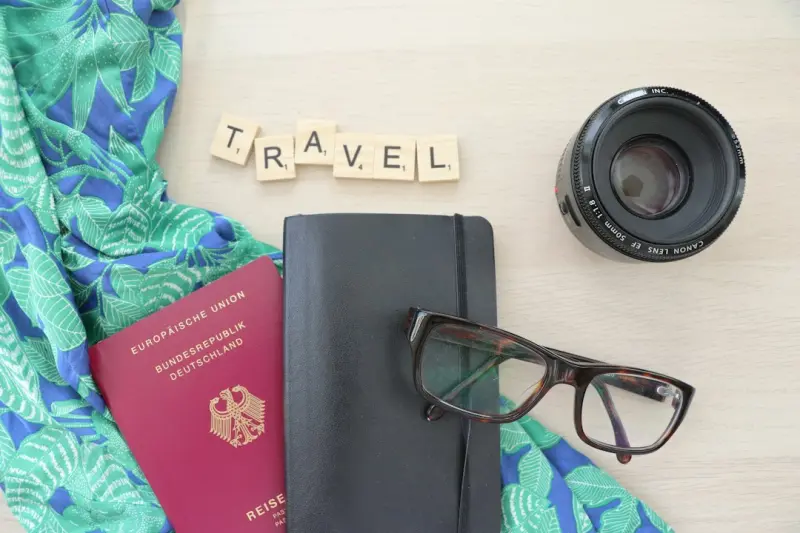
- Pack Light, Pack Textured: Include a small piece of fabric from home (like a favorite scarf) and a local textile you acquire on the road. The juxtaposition heightens tactile awareness.
- Use a “Sound Jar”: Record ambient sounds (a river, street musicians) on a tiny recorder. Play them back in the office to trigger the calm you felt abroad.
- Embrace Slow Meals: Choose one meal per day to eat without any digital distraction. Focus solely on flavors, textures, and the sounds of the surrounding environment.
- Leave a Scent Trail: Bring a small vial of a local essential oil (like lavender from Provence or eucalyptus from Australia) to use as a mental cue when you’re back at your desk.
- Set a “Sensory Review” Ritual: At the end of each travel day, spend five minutes writing down the top three sensory experiences that stood out. Review them weekly to reinforce the neural pathways you’re building.
Bringing the Reset Home: The After‑Travel Playbook
Even the most immersive journey can lose its impact if you don’t intentionally integrate its lessons into everyday life. Here’s a concise playbook:
- Morning Reset: Play one of the “sound jars” while sipping tea, recalling the associated environment.
- Midday Check‑In: Touch the local textile you bought and ask yourself what emotional state it evokes.
- Evening Reflection: Light the essential oil and journal any lingering thoughts or ideas that surface.
Over time, these tiny practices turn a single trip into a lasting habit of sensory mindfulness, which, in turn, fuels sustained creative output.
Conclusion: Travel as a Deliberate Sensory Reboot
When travel is reduced to a series of landmarks, we miss the opportunity to truly reset our internal operating system. By curating experiences that flood the brain with novel sights, sounds, smells, textures, and flavors, we create a fertile ground for fresh ideas, empathy, and resilience. Pair that with subtle edge‑enabled tools, and you have a powerful, low‑friction method to keep your professional life as vibrant as the places you explore.

Karen Edwards is a seasoned freelance writer with a passion for all things furry, feathered, and scaled. With a dedicated focus on pets, she brings a wealth of knowledge and a keen eye for detail to her writing.
Related Posts
Finding Home in the Hustle: A Journey Through Global Local Markets
From bustling spice bazaars to quiet fish stalls, I share how wandering through local markets reshap... Read More
How Traveling Turns Everyday Skills Into Superpowers
Travel isn’t just about sights; it’s a dynamic classroom that upgrades your adaptability, creati... Read More
Flavor‑First Journeys: Turning Meals into Business Insight
Discover how using food experiences as a strategic lens can transform product thinking, enhance team... Read More
Top Posts

How Google’s Generative Search is Redefining the B2B SaaS Playbook
Google’s generative search reshapes how prospects discover SaaS solutions, turning zero‑click answers into high‑intent lead opportunities. Learn to adapt ...Read More

AI‑Powered Decision Intelligence: Turning SaaS Roadmaps into Living Blueprints
Decision intelligence combines data engineering, machine learning, and human judgment to create a living roadmap for SaaS products, enabling smarter feature pri...Read More

Elevate Everyday Living: Fresh Home Hacks for a Calmer, More Inspired Space
Explore low‑cost, high‑impact home upgrades that transform light, sound, and space into a personal sanctuary, boosting well‑being and sustainability....Read More

Riding the Google AI Wave: Rose DesRochers’ Insider Perspective on the Latest Revolution
Rose DesRochers shares her insider take on Google’s AI wave, detailing Gemini’s authenticity leap, SEO impacts, privacy concerns, and the future of AR‑dri...Read More
0 Comments
Post Comment
You will need to Login or Register to comment on this post!